

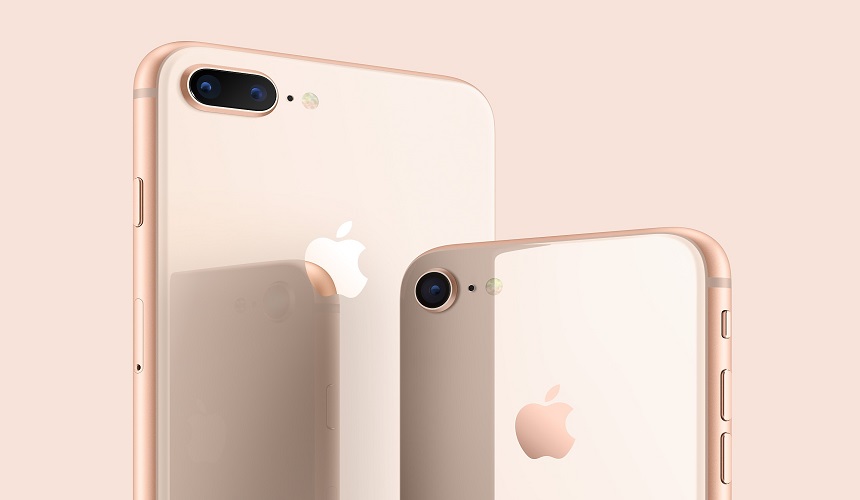
 iOS 11.3 was released just two weeks ago and is already causing problems. Specifically, it breaks touch functionality on iPhone 8 models that have third-party displays.
Users who have had their iPhone 8 screens replaced by stores other than Apple Stores or authorized retailers are having difficulty using their phones after receiving the update. Many retailers are also reporting that repairing the phones requires upgrading the chip that powers the display.
Two years ago, iOS 9.2.1 rendered Touch ID useless on older iPhones that had been repaired by third parties. Just a day after the reports and news broke, Seattle-based law firm Pfau Cochran Vertetis Amala filed a class action lawsuit seeking $5 million.
Apple claimed the error was due to a factory test that shouldn't have affected customers, and a judge upheld Apple to dismiss the lawsuit. "The fact that a company has designed a product doesn't mean it automatically knows about all possible design flaws in that product," he said.
Following the lawsuit, Apple released an updated version of iOS 9 that restored the phones and reimbursed customers who had paid for out-of-warranty replacements.
Regarding iOS 11.3, it's important to remember that there's still no evidence that Apple intended to break your phone. Products from retailers not authorized by Apple can be of varying quality, and we never know exactly what they're doing or what kind of materials they're putting in our device. Replacing our phone's screen at a store, rather than an Apple Store, certainly saves money, but it does come with risks.
But even if Apple is intentionally breaking your phone to get even more money, it's no secret that third-party repairs void your iPhone's warranty - and that's a term you agreed to when you bought it.
The debate over repair rights has been going on for years, and there are good arguments on both sides. It's reasonable for customers to want to be able to repair their phones, but it's also reasonable for Apple to want to avoid the nightmare of a lawsuit it could face if a customer gets injured trying to replace their phone's screen.
But the bottom line is that when your iPhone has hardware that Apple didn't add or authorize, you run the risk of it not working with the company's software — regardless of whether Apple had malicious intent or not. If you're not okay with that, it might be best not to buy an iPhone.
