

The iPhone X is finally here, after months of leaks, conflicting rumors, and speculation about what features the device might or might not have. So we have an anniversary model with an edge-to-edge display, facial recognition, and more that probably impressed people.
Apple says the iPhone X is the smartphone of the future. At the start of yesterday's event, CEO Tim Cook said something that had many fanboys nodding in agreement: the iPhone introduced "one innovation after another" that helped change the world and empower people to do more.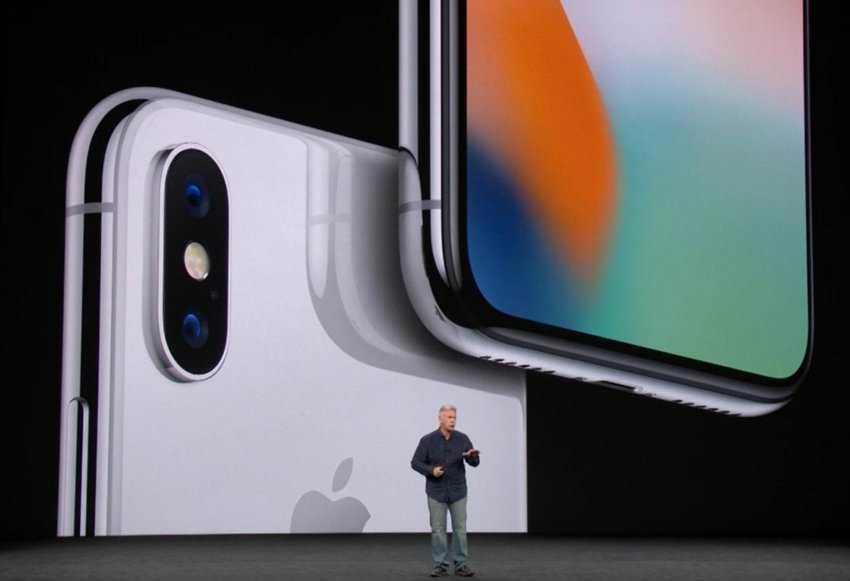
We're not going to discuss how the level of innovation created by the iPhone that was released a decade ago is anything but. We should look at something else that deserves a little more attention.
Innovation? Not so much
First of all, let's talk about this innovative approach that Tim Cook chose to introduce the iPhone X. Okay, there are a few minor exceptions (like the impressive new chip), but the features that the iPhone X brings are a package that has already been around for many years in rival devices. Apple 's device presentation event also relied on Face ID, which is pretty much Windows Hello for iOS.
Microsoft introduced Windows Hello to its own Windows phones in October 2015 with the Lumia 950 XL, and yesterday Apple came almost two years later to introduce facial recognition on the iPhone X as a groundbreaking innovation.
Beyond the words that Apple's marketing department has prepared for the iPhone X. Face ID is a facial recognition system that is very similar to the others used in the Android ecosystem and works more or less the same way.
The funny thing is that Apple's Face ID comes with the same bugs that we saw with Windows Hello two years ago. On the Lumia 950 XL, Windows Hello was rather slow and sometimes couldn't detect the owner's face.
During yesterday's event, Face ID failed for the first time during its first public demonstration, which shows that despite launching 2 years after its first release by Microsoft, it still suffers from the same issues.
Let's talk about wireless charging.
Apple describes wireless charging as a feature that's going to change the world, but there are plenty of people who have been charging their phones wirelessly for years now.
Android devices have been doing this for a long time now. So again, don't be fooled by Apple's marketing rhetoric.
Wireless charging works with a charging pad, just like on Android devices, but Apple could have built it in a different way that would completely change your life.
Patents have shown that Apple has considered developing a wireless charging system that would work across the room, and this technology was first spotted in 2015. Two years later? Nothing…
Fast charging? Not even mentioned
While the device will support fast charging, the company didn't mention anything about it. Fast charging came to the iPhone, but a few years after the feature was added to Android.
So while Apple says the iPhone X is in every way the living proof of innovation, it doesn't seem to be.
Removing the “home” is a big deal. This was something really innovative,
A hasty product
Apple has tried to keep all of the above regarding the iPhone X out of our sight, but there are also the small details that reveal the truth.
The October 27 release date suggests that the iPhone X is indeed suffering from supply issues, and these were caused by Apple waiting until the last minute to complete the development of an in-display fingerprint sensor.
Because this plan ultimately failed, Apple began production of the iPhone X later than usual, leading to long delays in the device's launch.
So, the iPhone X seems to be a rushed product whose level of innovation doesn't justify Apple's pride.
Of course the iPhone X will sell incredibly well..
