In the era of instant information, news spreads like wildfire, especially if it is not pleasant! In the last, very large typhoon (Super Typhoon HAIYAN), which hit the Philippines in 2013, there was an immediate mobilization of governments and organizations to provide, as much as possible, immediate relief to the affected. scammers exist and ... lurk.
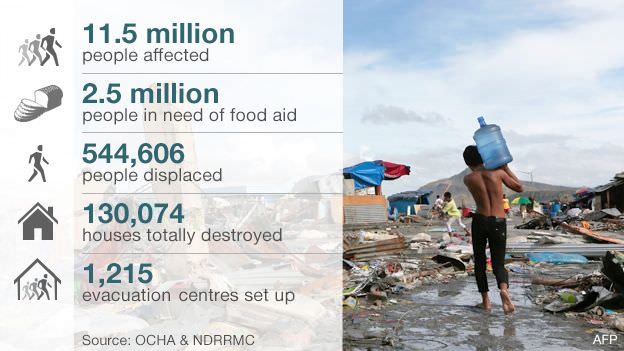
While the numbers below seem unrealistic, they are unfortunately absolutely true.
The news on television and radio, journalistic and informational sites, and social networks, from the first moment, broadcast the news all over the world. Seeing the magnitude of the disaster, some of us looked for ways to help those affected. But some looked for “other ways”, taking advantage of the enormous disaster, to… make money.
The latter (scammers) created "virtual" support organizations, urging the former to help by sending financial aid mainly through the well-known services PayPal, Western Union and MoneyGram. So, pages were created on the Internet, on Facebook, and countless spam e-mails were sent around the world to help those affected, using the well-known donation process.
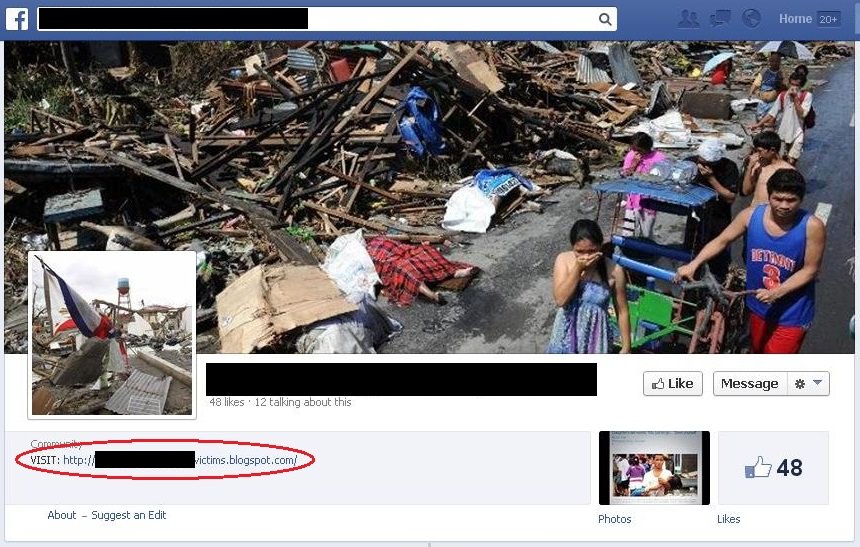
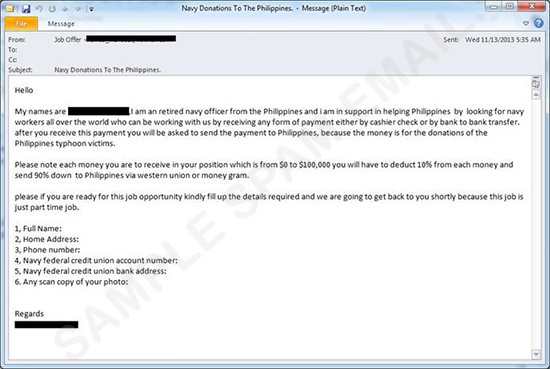
Below we see two features, real examples!!
How can we do good, but... not throw it away?
Usually, all legitimate organizations are NOT created in one day. Therefore, it is almost certain that a new Facebook page will have very few likes and posts, and may have unofficial links (e.g. name.blogspot.com like the photo above).
Look carefully at the name of the site because many use almost the same names as those of the really big aid organizations. (e.g. RedCross vs. RedKross ). Search by the name of the organization, instead of clicking on the link they mention. This move alone will dramatically reduce the chance of your help going into the wrong hands.
We prefer large organizations such as www.redcross.org or if we are not sure, we can inquire from local embassies about official aid organizations.
However, if we choose to help via electronic or online donation, we carefully check the instructions for online payment and the ability to get a receipt for our offer (scammers will not give you a receipt and will avoid answering). It goes without saying that if a prepaid card is available, we use it.
In case we are asked to transfer money via Western Union, MoneyGram, etc., we should be alarmed (as in the case of the above e-mail) since no official organization uses money transfer services, while they provide multiple methods of depositing financial aid (unlike scammers).
So that we don't cry too, because we wanted to help, we must remember that there are people who will take advantage of any situation to make money.
Unless of course you have so much left over that you don't mind losing a few thousand of your money. In that case please make a donation to me too..