

Microsoft Research is once again taking innovation to the next level with a mosquito trap supposedly built specifically to monitor the spread of the Zika virus that was detected in Latin America earlier this year.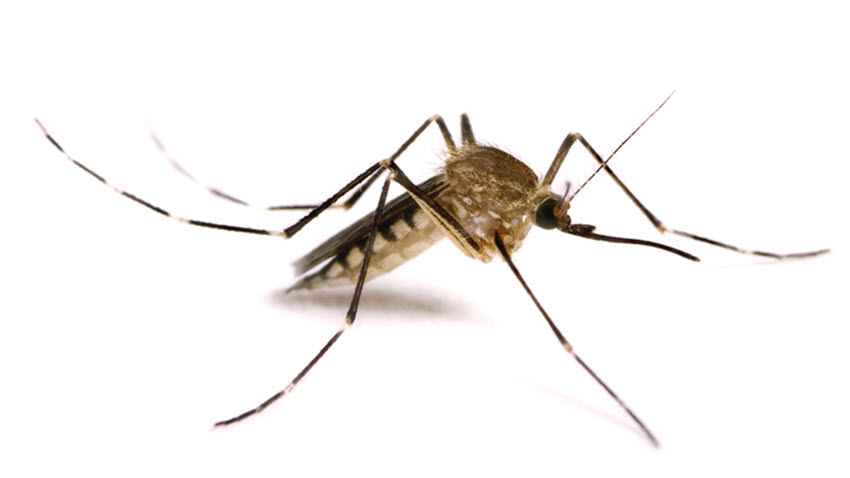
Specifically, a new Microsoft project, described by experts as the “biggest innovation in trap technology in decades,” is part of a larger effort by the company called Project Premonition, which is supposed to help automate tasks that entomologists usually performed manually.
The trap was developed in Houston for the early stages of a pilot program and allowed experts to collect only specific species of mosquitoes, rather than an entire flock of insects circulating around, including flies, moths and more.
Without such a trap, entomologists had to manually sort the insects in order to be able to analyze only those that interested them and which could transmit the Zika virus.
How does it work?
The trap is powered by two microprocessors that draw power from two batteries. The processors try to capture specific types of mosquitoes based on data provided by entomologists. The machine analyzes a number of factors, such as temperature, wind and humidity. All the data collected is sent to the cloud for further processing.
The trap uses machine learning, automatically improving its mosquito detection capabilities, so it only detects the insects that experts need.
For now, the new project is still in its early stages, but the first results are already quite promising, and Microsoft aims to continue improving the mosquito trap in the coming months.
