

The truly interesting reason why the ATM PIN is 4-digit
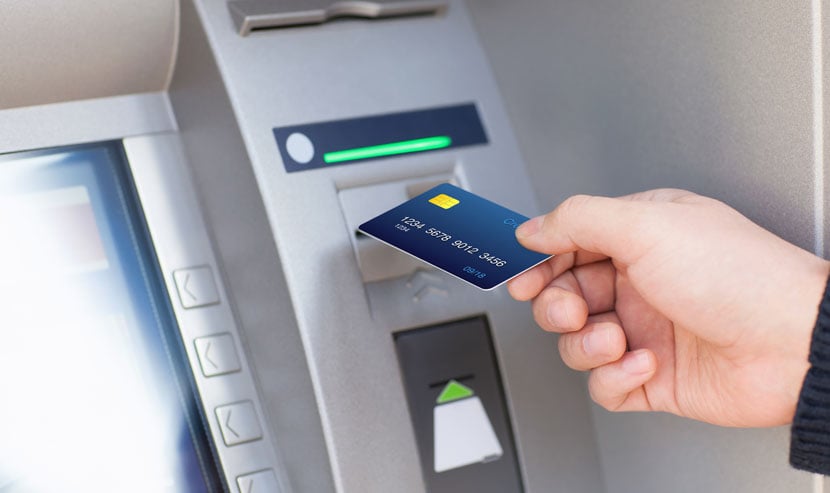
You go to the ATM in your neighborhood and insert your card. Then you enter a 4-digit PIN code to verify your identity and proceed to withdraw money. You may have been doing this mechanically since the day ATMs appeared, but have you ever thought about why the ATM PIN is a 4-digit code?
Automated Teller Machines (ATMs) were first introduced in 1967 and have emerged as the best option for cash withdrawals. Instead of going to bank and waiting in a long line to get money, you can simply insert your card into the machine and get the money you need.
But if someone finds or steals your card, the only obstacle protecting your money is your 4-digit PIN. Have you ever wondered why most PINs have only 4 digits? Given that an ATM handles money transactions, shouldn't ATM manufacturers require a larger PIN, six-digit or eight-digit as is done with our email?
There is a story behind this. The ATM was invented by the famous Scottish inventor John Adrian Shepherd-Barron, the man who pioneered the development of the ATM machine. During testing his invention, Barron also proposed a 6-digit PIN code.
However, the first person who used his invention was his wife, Caroline. We all know that behind every successful man there is a woman and Caroline apparently rejected the idea of using a six-digit PIN for her husband's invention, because she could only remember up to four numbers.
When Barron came up with the idea, he realized that he could remember the six-digit number he had in the army. But he decided to test it with his wife, Caroline.
"At the kitchen table, she said she could only remember four numbers, so thanks to her, the four digits became the global standard," he said, laughing.
Despite the fact that there are many banks nowadays that offer a 6-digit PIN, for security reasons, those of us who use a 4-digit PIN should be grateful to Caroline. Sometimes it's hard to remember these 4 digits, imagine if they were 6 or more!
