

Passwords have been around since 200 BC, and with the advancement of the digital age, everyone has a password or two to protect their personal information. However, this protection measure becomes very unreliable and insecure when people misuse their passwords.
Kaspersky Lab analyzed how users protect their online accounts in a recent study. As it turned out, almost a third of respondents have two or three similar passwords for all their accounts. In addition, one in seven respondents uses one password for all their accounts.
In addition to the issue of quantity, there is also a problem with the quality of the combinations used in passwords. One in 10 respondents have passwords that are less than eight characters in length. On top of that, many people (12%, to be more precise) do not use capital letters, numbers and/or special characters to improve passwords . Such combinations, however, are not at all secure.
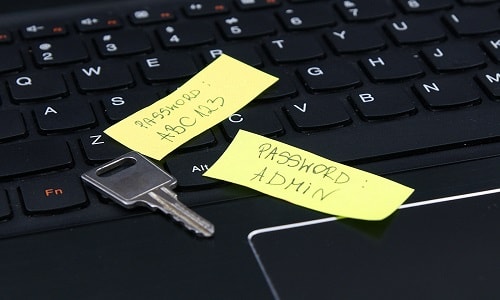
However, that's not the worst part! Only a few of them memorize passwords . More than half of the respondents save their passwords on a piece of paper, on their phone, or in text files on their computers. About a third of the users surveyed save their passwords in their browser to take advantage of the quick login feature.

Please remember: If you use one password for all your accounts, a hacker only needs to break ONE of them to put all your other accounts at risk.
Perhaps the most frightening part of the survey is the lack of awareness when it comes to security. A quarter of respondents believe they are safe because they don’t store anything important on their devices. Unfortunately, attackers aren’t just after corporate data or government secrets: passwords and logins are a favorite target for cybercriminals in their own right. Depending on their skills, attackers will find a way to use the stolen login credentials: for example, they can hack your online bank account or simply use your Facebook account to spread spam and viruses.
Even if you're still not worried, it's time to understand that your weak passwords can put your friends, family, colleagues, partners, and so on at risk. So, here are three simple rules to keep in mind.
- The myth that it's hard to find and remember a strong password is just a myth. There are some methods that help you find and remember several unique passwords at once.
- You should pay special attention to the security of your primary email addresses, as access to other accounts can be regained with the help of email notifications. You can secure your email by implementing two-factor authentication.
- Don't store passwords on a piece of paper, your hard drive, or any other device. It's not secure. Memorize them.
