

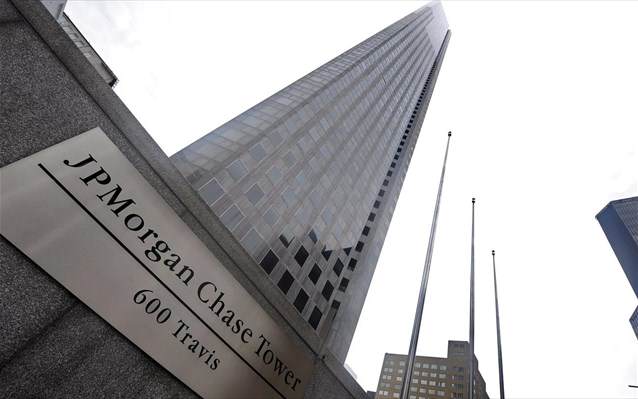
A large-scale cyberattack, affecting 76 million households and seven million small businesses, targeted the American banking giant JP Morgan Chase & Co.
Specifically, as the bank pointed out, the data that was breached concerns user contact information, such as names, addresses, phone numbers and email addresses, as well as internal communications related to users. It is estimated that the data that was compromised affects almost 76 million households and seven million small businesses, however, it is clarified that there is no evidence that there was a leak/breach of account information, such as numbers, passwords, user IDs, dates of birth and social security numbers. At the same time, it is clarified that so far no unusual/illegal activities related to the incident have been detected.
The bank assures that the situation is under monitoring and the issue is being investigated, while there is close cooperation with government agencies.
According to a Reuters report, this is one of the largest data breaches in history, while a bank spokesman pointed out that those affected are mainly account holders - but may also include former holders, as well as people who provided their contact information on the bank's websites.
Cybersecurity experts warn that the incident could result in an increase in criminal activity, as cybercriminals will likely try to use the information for fraud.
Tal Klein, vice president of cybersecurity firm Adallom, told Reuters that the breach could undermine confidence in the security of banks and other companies that are considered well-protected from hackers. “Criminals could literally take the identities of these 83 million businesses and people. That’s the biggest concern,” he said. “Until now, it was thought that the companies that were breached were the ones with poor security practices, but we know that JP Morgan had a good security program, and they invest a lot in that area. So what we’re seeing is that the fundamental nature of security is problematic.”.
In any case, the bank informed its customers that it does not believe there is any reason to change passwords or account information. According to spokeswoman Patricia Wexler, no credit monitoring is provided because no financial data, account data, or data that could lead to the identification of individuals was compromised.
It is noted that at the end of August, the bank had announced that it was cooperating with US authorities to investigate a possible cyberattack.
Source: naftemporiki.gr
