

A rescue spacecraft with a mission to prevent NASA's Swift space telescope from falling into Earth's atmosphere has been successfully launched into orbit.
See also: James Webb telescope detects a “galaxy-killing wind”
The groundbreaking mission launched at 4:36 a.m. EDT (08:36 GMT) on Friday, July 3, from the Marshall Islands. The Link spacecraft , equipped with a robotic arm, was first carried to high altitude on a modified Lockheed Martin L-1011 aircraft. A Northrop Grumman Pegasus XL rocket then launched it into orbit, where it will head toward NASA's Neil Gehrels Swift Space Observatory , a gamma-ray telescope that is slowly losing altitude and is in danger of being destroyed as it nears Earth's atmosphere.
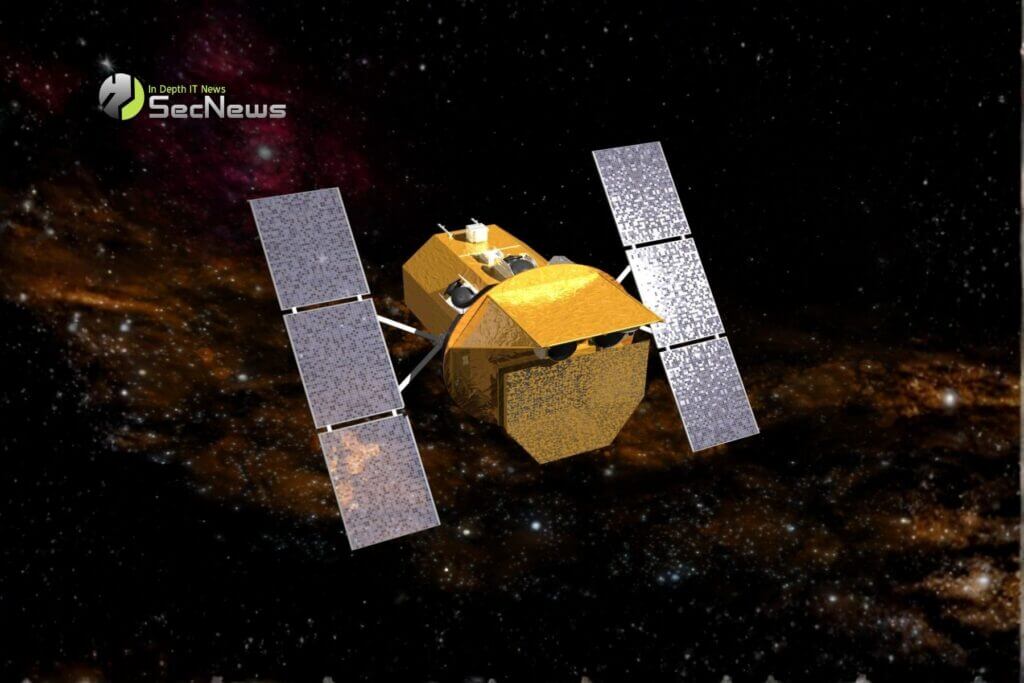
The launch followed two consecutive postponements, on July 2 and 3. The first was due to adverse weather conditions, while the second was caused by a software problem. After Link successfully entered orbit, mission engineers are seeking to confirm communication with the spacecraft and determine that its solar panels have deployed normally and that its power systems are operating as intended.
See also: Scientists have identified 10,000 candidate exoplanets
Link was developed by the private company Katalyst Space at a cost of about $30 million. Its mission is to approach the Swift, which has been in orbit since 2004, and transport it to a higher altitude using its robotic arms and thrusters. Although Swift continues to provide valuable scientific data, its orbit is constantly decreasing due to the drag caused by Earth's thin atmosphere. Scientists estimate that without intervention, the telescope will re-enter the atmosphere and be destroyed later this year.

The rescue mission is accompanied by significant technical difficulties. The Swift telescope was not designed to be able to accept maintenance or repair work in orbit, which makes the operation particularly demanding.
Furthermore, NASA only awarded the task to Katalyst last September, when increased solar activity in recent years caused the upper layers of Earth's atmosphere to swell. As a result, the spacecraft's atmospheric drag increased, unexpectedly accelerating its loss of orbital altitude.
See also: The James Webb Telescope may have spotted "dark stars" in the distant universe

This development left the company with less than a year to complete the design, construction and rigorous testing of the spacecraft, a particularly tight timeline for a space mission. Once all the required steps are complete, Link will approach Swift for a detailed evaluation and then use its robotic arms to secure and tether to NASA's space observatory.
