

It's been about three weeks since Apple officially unveiled iOS 27 and iPadOS 27 , and initial user impressions are very positive. Although many report minor stability issues and slightly increased battery consumption in the test versions, the new generation of operating systems seems to offer more features, better organization, and significant improvements in everyday use compared to iOS 26.5.
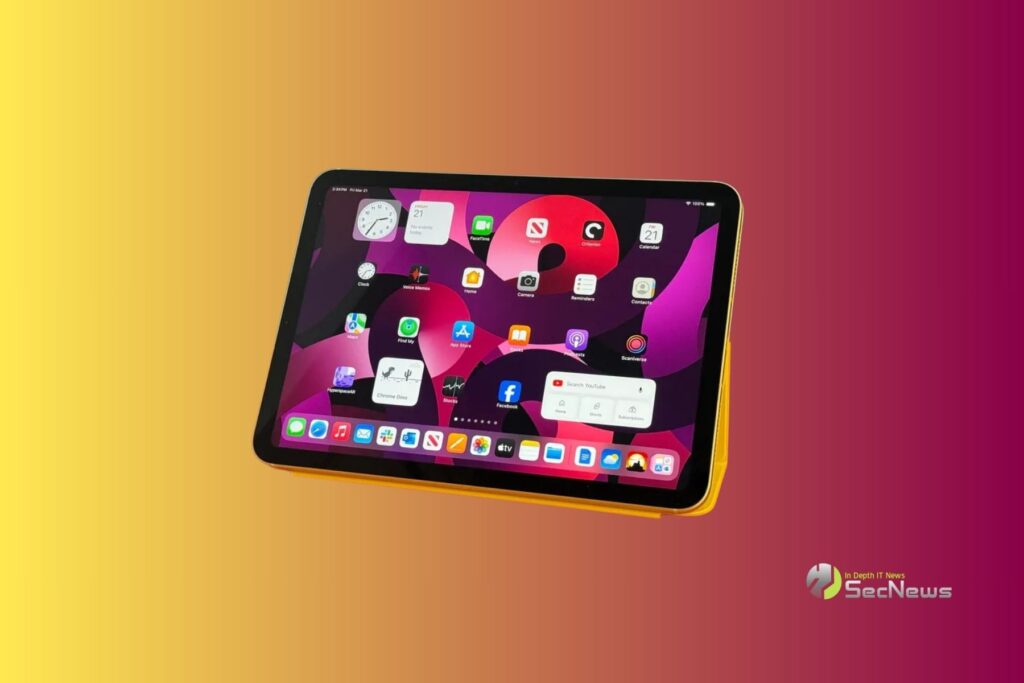
However, there is not only good news. As happens almost every year, Apple is withdrawing support for some older devices, which will not be able to install the new iPadOS 27.
See also: Apple fixes WebKit vulnerability in iOS, iPadOS, and macOS
iPadOS 27: iPads that will not be upgraded
Unlike iOS 27, which maintains compatibility with all iPhones that already supported iOS 26, iPadOS 27 leaves out several iPad models that have previously received updates.
Specifically, Apple is ending support for all iPads based on the A12 and A12X Bionic processors. These are chips that were introduced in 2018 and, despite their good performance, can no longer support all the new features and requirements introduced by iPadOS 27.
The devices that will not receive the update are the following:
- iPad (8th generation) – 2020
- iPad Air (3rd generation) – 2019
- iPad mini (5th generation) – 2019
- iPad Pro (11-inch, 1st generation) – 2018
- iPad Pro (12.9-inch, 3rd generation) – 2018
See also: Apple: New iOS and iPadOS updates address Coruna exploit

Why is support ending?
Apple is accustomed to supporting its devices for a long time, and in this case, these iPads received software updates for six to eight years, which is considered particularly generous compared to many other companies in the market.
However, the new features of iPadOS 27, especially those related to artificial intelligence, improved multi-app management and more demanding background processes, require more processing power and more RAM. Thus, Apple chose to focus on the newer models to ensure the best possible user experience.
What does this mean for owners of older models?
Those who own any of the above iPads don't need to worry right away. The devices will continue to function normally with iPadOS 26 and will continue to receive security updates for a period of time, as Apple usually does.
However, they will not get the new features of iPadOS 27, while gradually some future applications or features may require the newer version of the operating system.
See also: Apple: Third Betas of iOS 26.4 and iPadOS 26.4 Available to Developers

For those who use their iPad primarily for web browsing, streaming, reading, or office work, the daily experience is not expected to change significantly. On the other hand, those who want to take advantage of the new productivity and artificial intelligence capabilities that iPadOS 27 brings may need to consider upgrading to a newer model.
Apple's decision may displease some users, but it once again confirms the company's strategy of offering multi-year support for its devices, while maintaining a high level of performance in new versions of its operating systems.
