

Samsung Display has received approval from Apple to begin producing OLED display modules for Apple's first foldable iPhone, according to a report today by TheElec. The development marks a significant step towards the launch of a foldable iPhone, which is expected to revolutionize the smartphone market.
See also: iPhone Air 2027: Apple is preparing a dual-camera upgrade

The report says that Samsung Display has started operating part of its production lines in Vietnam to fulfill an initial order of about three million displays scheduled for delivery this year. The production process of these displays requires high standards of quality and stability, with Apple setting a yield rate of at least 70% as a condition for approval.
Samsung Display managed to surpass this limit, achieving final efficiencies of over 80%, which highlights its technological superiority and its ability to meet Apple's demands.
Samsung Display is considered the exclusive supplier of OLED displays for the foldable iPhone under a three-year agreement, meaning Apple will not source foldable OLED displays from any other display manufacturer during that period. This exclusivity strengthens the partnership between the two tech giants while also ensuring the quality and reliability of Apple's products.
End-of-line processing, which includes adding driver circuits, flexible printed circuits, and protective components before final inspection and shipment, is performed at Samsung Display’s facility in Vietnam. This location has about 80 production lines in total, with about 50 currently active, leaving room for improvement given the relatively modest order of three million units.
The choice of Vietnam as a production hub highlights the country's strategic importance in Samsung's global supply chain.
See also: Apple TV: Broadcast of MLS match to be filmed entirely with iPhone 17 Pro
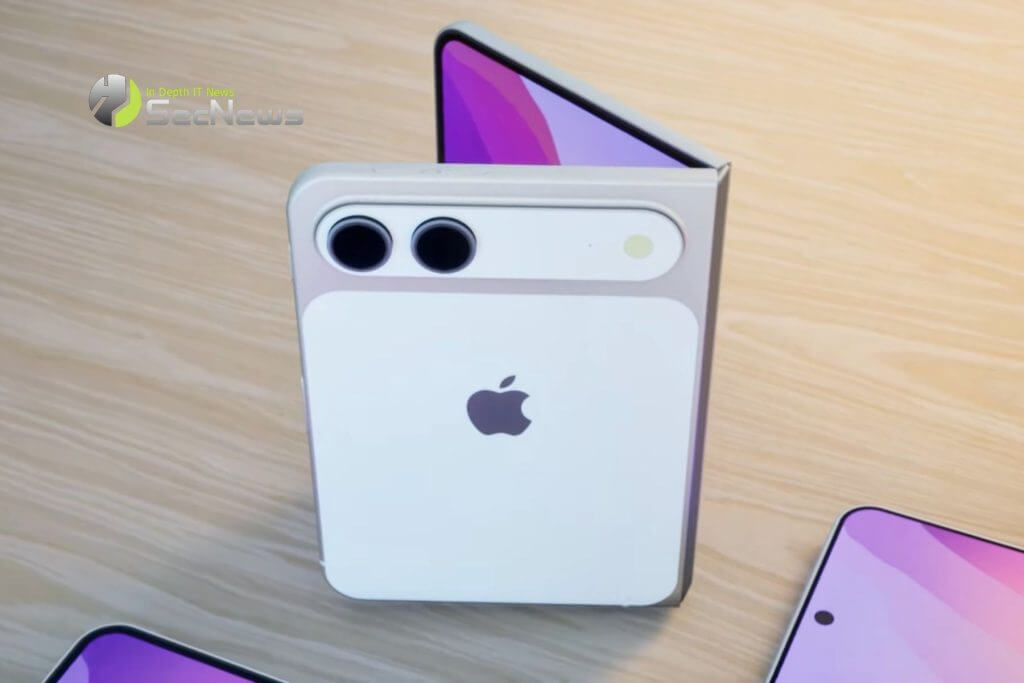
The displays are expected to use Color Filter on Encapsulation (CoE) technology , which removes the polarizer and forms a color filter directly on top of the encapsulation layer. This innovation offers improvements in brightness and color rendering, while also reducing the thickness of the display, which is critical for foldable devices. In addition, Samsung Display’s newest M16 OLED material set brings improvements in lifespan and energy efficiency, making the displays more durable and efficient.
Apple's foldable iPhone is rumored to feature a 7.8-inch internal display and a 5.5-inch external display, offering a flexible user experience that combines the advantages of a tablet and a smartphone. Apple's decision to integrate Touch ID instead of Face ID may be related to the technical challenges of integrating facial recognition into foldable displays.
The new A20 chip and Apple's C2 modem are expected to offer improved performance and connection speeds, further enhancing the user experience.
The foldable iPhone is expected to start at around $2,000, making it a premium option in the market. This pricing reflects the cost of the advanced technology and materials used, as well as Apple's strategy to position the product as a luxury device.
See also: The foldable iPhone will have an OLED display from Samsung
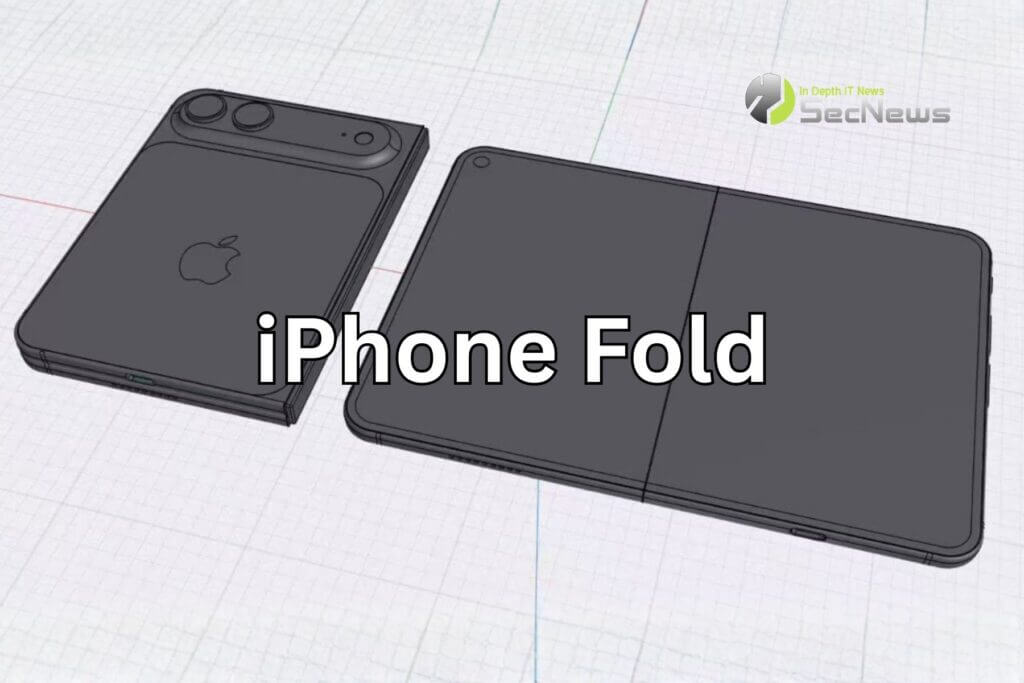
The launch of the foldable iPhone is expected to have significant implications for the smartphone market. Apple, known for its ability to set market trends, could usher in a new era of foldable devices, encouraging other manufacturers to invest in this technology. For consumers, this means more choice and innovation, while for organizations, the emerging market for foldable devices could offer new opportunities for growth and differentiation.
