

Lucid Motors, one of the most well-known companies in the premium electric vehicle space, is embarking on another major restructuring program, announcing the layoff of about 1,500 employees, a number that corresponds to 18% of its total workforce. The development comes just months after another round of cuts in which the company reduced its staff by 12%, confirming that the pressure on the electric vehicle industry continues to intensify.
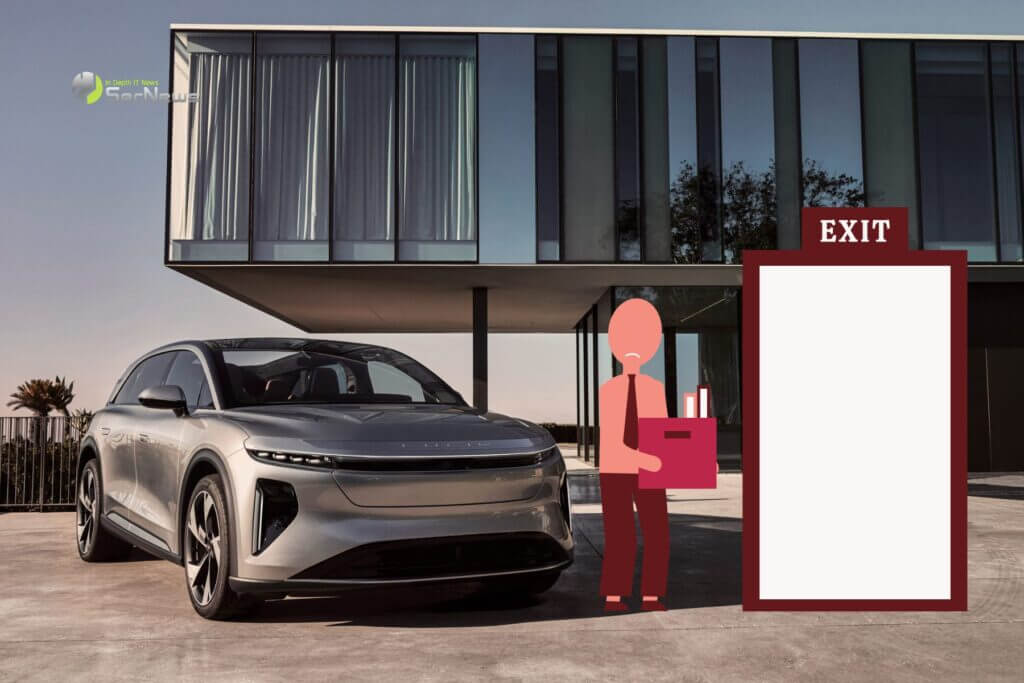
Along with the layoffs, Lucid also announced the elimination of the second production shift at its Casa Grande, Arizona, factory, a decision that reflects a general effort to adapt production activity to current market demand.
Restructuring plan under the new management
The moves are part of a strategy being implemented by the company's new CEO, Silvio Napoli, who took over at a particularly difficult time for Lucid. According to management, the goal is to simplify the corporate structure, improve operational efficiency and strengthen competitiveness in an increasingly demanding market.
See also: Rivian lays off hundreds of employees shortly after R2 launch
Management estimates that the restructuring program will generate annual savings of $158 million, and is expected to be completed in the third quarter of 2026. However, the company will need to pay approximately $32 million in compensation and related costs associated with staff departures.
The electric vehicle market is changing the data
Lucid's developments cannot be viewed in isolation from the overall picture of the electric car market in the United States. After a period of explosive growth, demand is showing signs of slowing, forcing many automakers to rethink their strategies.
Even major manufacturers have slowed investment or postponed planned electric modelsas consumers appear more cautious due to increased financing costs, high interest rates and general economic uncertainties.
For companies like Lucid, which are still in the growth phase and have not yet achieved consistent profitability, the pressures are even greater.

The big bet of the Lucid Cosmos SUV
Despite the challenges, Lucid continues to invest in its future. Its most important project right now is the upcoming launch of the Lucid Cosmos SUV, the company's first mass-market model.
Unlike the luxury Lucid Air, which is aimed at a limited audience, the Cosmos is expected to be positioned in a much more competitive price bracket, with an estimated starting price under $50,000.
See also: Xbox prepares mass layoffs and strategy reset
The success of this particular model is considered critical to the company's future, as it could significantly increase sales volumes and bring Lucid closer to its goal of profitability.
Ambitions also in the field of robotaxis
At the same time, the company is also trying to expand its presence in the autonomous transportation sector. The partnership with Uber and Nuro to develop a robotaxi service in San Francisco is one of Lucid's most ambitious ventures.
This initiative aims to leverage advances in artificial intelligence and autonomous driving, opening up a whole new revenue stream for the company. While management has not disclosed whether these plans are affected by the recent cuts, the investment in autonomous vehicles remains of strategic importance.
Continuous executive departures raise questions
In addition to financial challenges, Lucid is also facing intense management turnover. More than a dozen top executives have left in the past two years, which has caused concern among investors and analysts.
The sudden departure of longtime CEO Peter Rawlinson in 2025, the removal of chief engineer Eric Bach , and the recent resignation of Emad Dlala are just a few examples of a period of significant management reshuffle.
At the same time, the company also eliminated the position of Chief Operating Officer, with former interim CEO Marc Winterhoff permanently leaving the organization.
See also: GitLab: Strong growth, layoffs and shift to AI
A critical period for Lucid's future
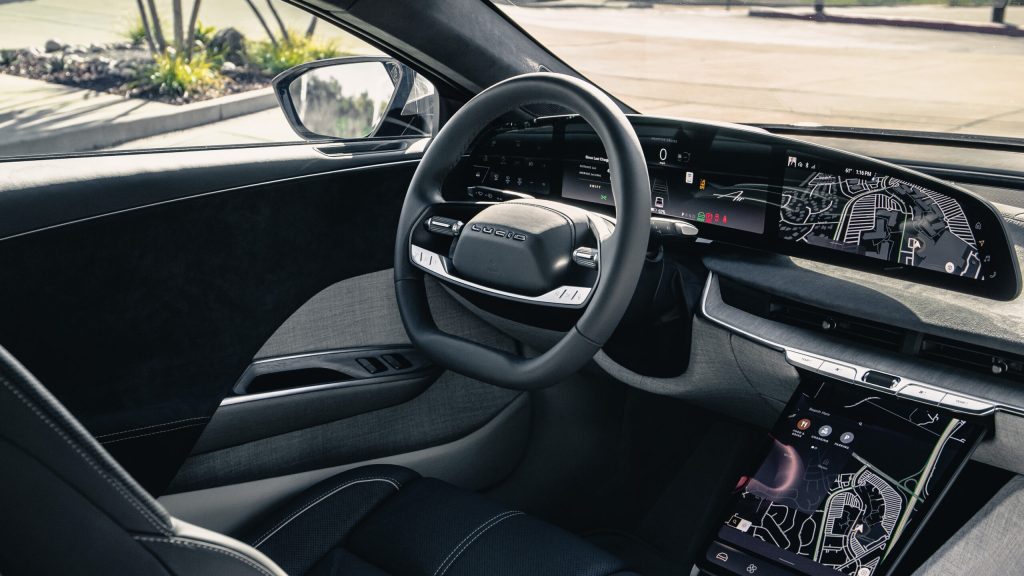
The coming months are expected to be crucial for Lucid Motors as the company struggles to balance reducing operating costs, developing new models, and maintaining its technological innovation.
The success of the Cosmos SUV, the trajectory of its autonomous vehicle plans, and the ability of new management to stabilize the company will determine whether Lucid can transform from an aspiring electric carmaker into a truly viable global player. At a time when competition is intensifying and investors are demanding results, Lucid is at perhaps the most critical crossroads in its history.
