

A Starlink satellite has mysteriously exploded in low Earth orbit, creating dozens of pieces of debris that have been spotted by space tracking companies. SpaceX announced that it lost contact with Starlink satellite 34343 after an “anomaly,” without specifying the exact cause of the incident. The incident raises serious concerns about the safety of the space environment and the increasing density of objects in low Earth orbit.
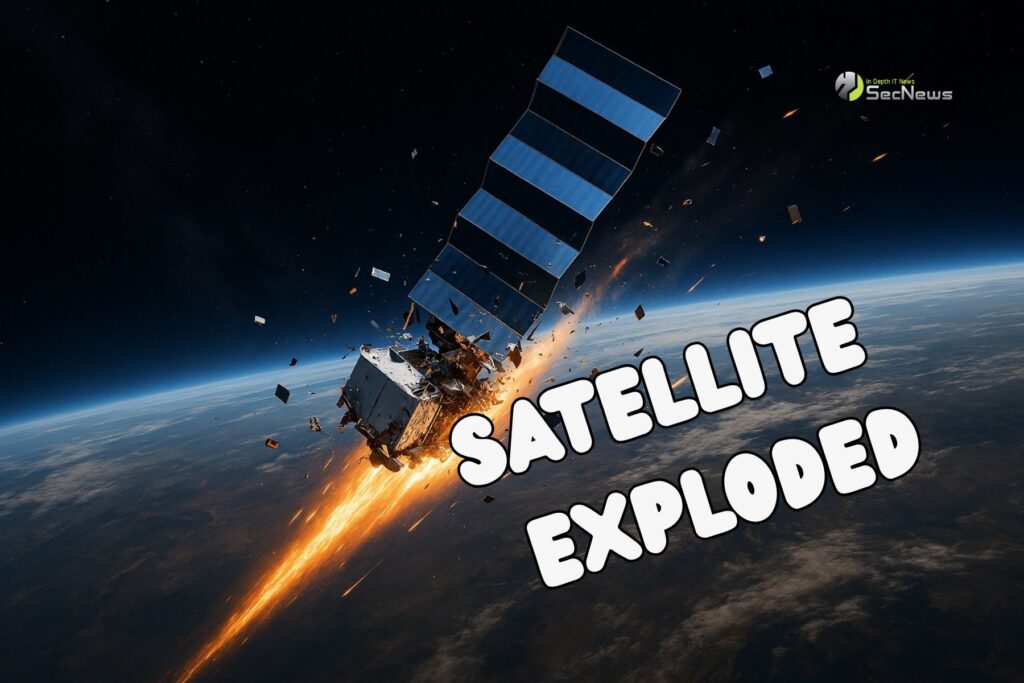
Space tracking company Leo Labs said it “immediately detected dozens of objects in the vicinity” of Starlink 34343 shortly after the incident. According to SpaceX, the explosion occurred at an altitude of about 560 kilometers above Earth, in an area known as low Earth orbit that is becoming increasingly crowded. This area is considered critical for satellite communications and Earth observation, making any debris-generating incident particularly problematic.
See also: Starlink satellite falls from space over the US
The incident is not an isolated incident for SpaceX. In December of last year, the company experienced a similar incident when it suddenly lost contact with a satellite that also appeared to explode. That incident came just a week after a near-collision with a Chinese satellite, highlighting the increasing complexity of managing the space environment. This frequency of incidents worries experts, as each explosion creates more debris that can threaten other satellites and space missions.
SpaceX assured that " the latest analysis indicates that the incident poses no new risk to the International Space Station, its crew, or the upcoming launch of II Artemis 's NASA mission ."

The satellite and its debris are expected to burn up in the atmosphere within a few weeks, thanks to their relatively low orbit, but their presence in space for that length of time still poses a potential hazard to other spacecraft passing through the area.
See also: BeatBanker: Android malware mimics Starlink app to compromise devices
Growing Challenges in Low Earth Orbit
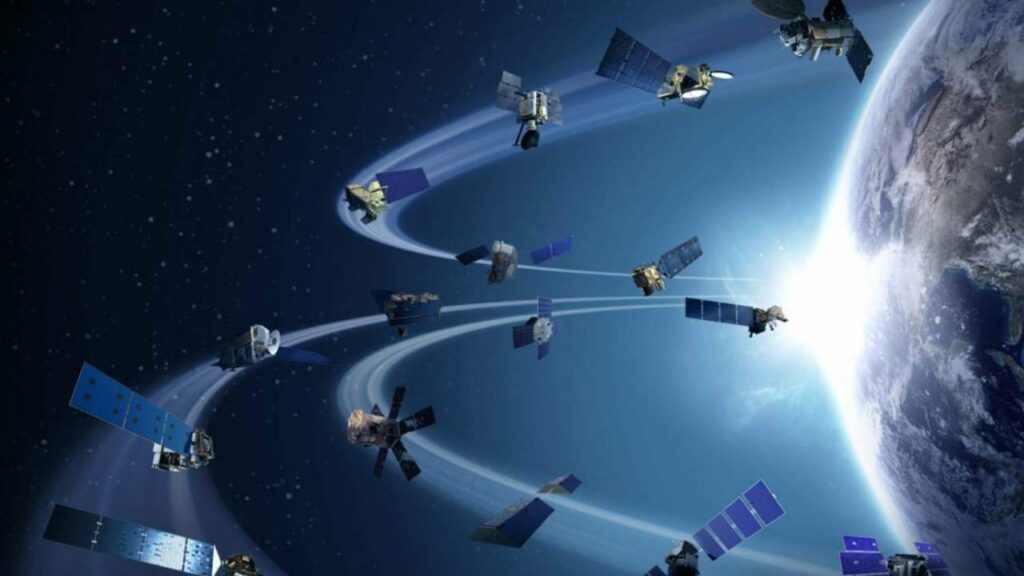
The area where the Starlink satellite explosion occurred is an increasingly crowded area of space. There are currently over 24,000 objects in low Earth orbit , including debris and about 10,000 Starlink satellites . This density creates increasing risks of collisions and the production of additional space debris. The situation is exacerbated by the fact that SpaceX plans to deploy thousands more Starlink satellites , making traffic management in space even more complicated.
SpaceX said it is working to determine the cause of the explosion, according to The Verge. The incidents highlight the need for improved safety and monitoring for managing large satellite constellations. The international community is considering new regulations that would require companies to have more effective systems for removing satellites from orbit at the end of their operational lives in order to reduce the risk of creating additional space debris.
Ambitious Plans and Regulatory Challenges
Despite technical problems, SpaceX continues to expand its space ambitions. In January, the company sought FCC approval for “up to one million satellites” to build data centers in orbit.
See also: A Starlink satellite appears to have exploded
“We recently filed for an FCC license for up to one million AI”said SpaceX President and CEO Gwynne Shotwell. This initiative aims to create computing power in space for artificial intelligence applications, but it raises significant questions about the sustainability of the space environment.
