

Encyclopedia Britannica and dictionary publisher Merriam-Webster filed a lawsuit against OpenAI, accusing it of using their copyrighted content to artificial intelligence its. The company then produced answers that were “substantially similar” to their content (as Reuters first reported).
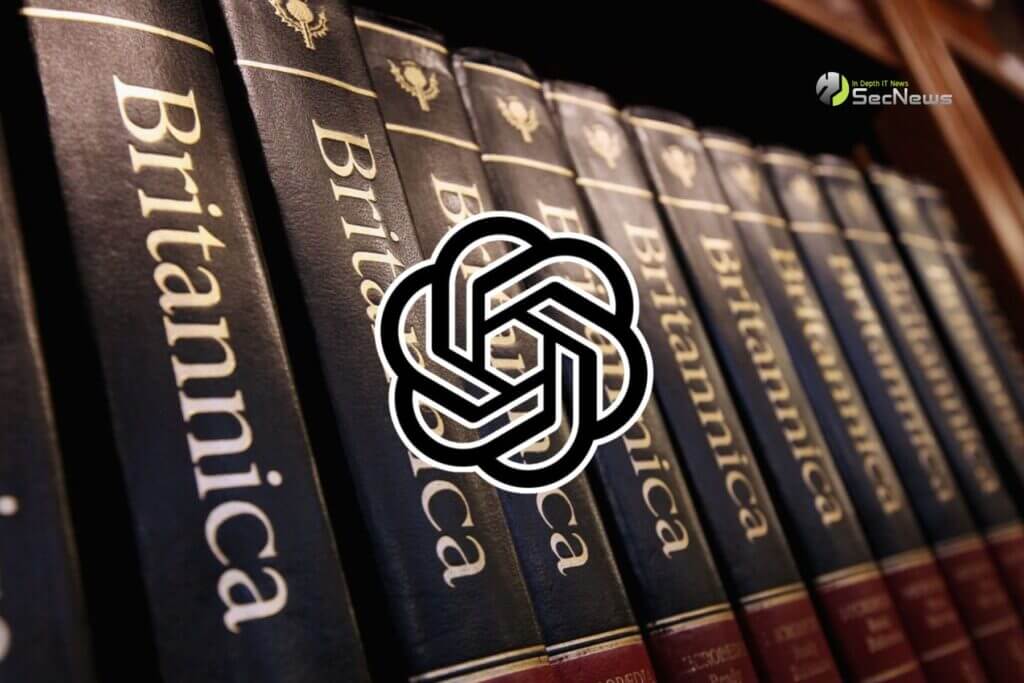
Encyclopedia Britannica against OpenAI
According to Britannica, OpenAI repeatedly copied its content without permission.
«GPT-4 has 'memorized' much of Britannica's protected content and produces near-verbatim copies of important sections on demand. The memorized examples are unauthorized copies that [OpenAI] used to train its models , including GPT-4».
See also: OpenAI: Will it integrate Sora into ChatGPT?
The lawsuit includes examples of responses from OpenAI’s models next to Britannica text, in which entire passages appear to match word for word. Britannica also claims that OpenAI has “cannibalized” its website traffic by generating responses that “substitute or directly compete” with Britannica’s content, rather than directing users to its website as a traditional search engine.

Publishers versus artificial intelligence companies
This is the latest in a series of copyright by publishers targeting AI companies in recent years. The New York Times has made similar allegations against OpenAI, including alleging that the AI company copied massive amounts of proprietary content its. In September, Anthropic settled a class action lawsuit over the use of proprietary books to train its AI models, resulting in a $1.5 billion payout to the books’ authors.
See also: ChatGPT Adult Mode: Only smut text, no images
The case highlights growing tensions between traditional publishers and AI companies as the latter continue to develop technologies based on large data sets, often without the explicit permission of content creators. Publishers worry that the uncontrolled use of their content by AI companies could undermine their financial viability and reduce the value of their intellectual property.
See also: ChatGPT makes it easier to understand mathematical concepts

The lawsuit by Britannica and Merriam-Webster against OpenAI is part of a broader trend where publishers are seeking to protect their rights and ensure that technological developments do not harm their interests. The outcome of these legal cases could have significant implications for the future of artificial intelligence and copyright management in the digital world.
