

Last June, at WWDC25, Apple announced that Rosetta 2, the software that translates Intel apps for Apple silicon, would be discontinued after macOS 27. Now, Apple will start notifying users about apps that will soon be incompatible.
See also: macOS Tahoe 26.4: Apple introduces Charge Limit feature to Macs
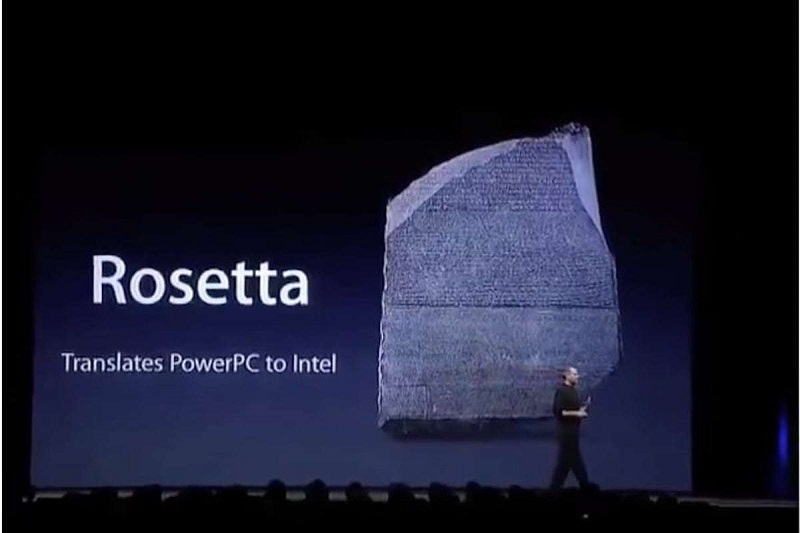
At WWDC20, alongside the announcement of the Mac transition to Apple silicon, Apple introduced Rosetta 2. This is a translation layer that allows Apple silicon-based Macs to run apps built for Intel models. However, as with the transition to Intel, Rosetta 2 was intended to be temporary.
At WWDC25, Apple announced that Rosetta 2 will be fully supported until macOS 27. Starting with macOS 28, Rosetta 2 will be largely discontinued. Apple states that after that point, it “will retain a subset of Rosetta functionality aimed at supporting older, unmaintained game titles based on Intel frameworks.”
Starting with today's beta 1 of macOS 26.4, users will be notified when they launch an app that requires Rosetta 2 that it will soon be discontinued.
See also: macOS Tahoe Finder bug highlights Apple's decline in UI quality
macOS 28 will likely be released in the fall of 2027, so users still have plenty of time to make sure their apps are updated to native versions for Apple silicon. The pop-up introduced in macOS 26.4 is intended to give users this early notice of the change so they can check for updated versions of the app.
It also serves as a reminder for developers who have yet to update their apps to be native to Apple silicon.
As a reminder, macOS 26 will also be the final release for Intel-based Mac models. After that, Apple says Intel-based Macs will continue to receive security updates for three years.
See also: AMOS infostealer targets macOS via popular AI app

The move to Apple silicon is part of Apple's strategy to unify its device ecosystem, offering better power efficiency. Users who still use Rosetta 2-based apps should consider reaching out to developers to ensure their apps are compatible with future versions of macOS.
