

The European Commission is investigating the protection of minors on major digital platforms such as Snapchat, YouTube, the Apple App Store and Google Playunder the Digital Services Act (DSA). The move comes to address growing concerns about children being exposed to harmful or illegal content and to ensure that companies comply with European safety standards.
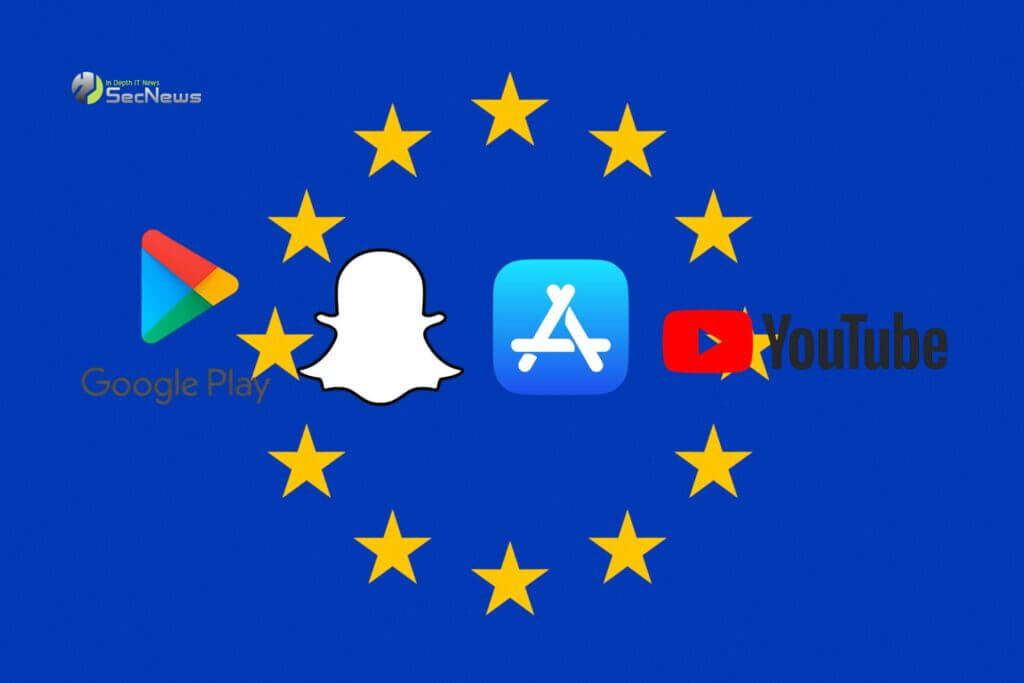
The Commission is asking businesses to provide details on their systems age verification, as well as the procedures they put in place to prevent minors from accessing illegal products, such as drugs and vaping, as well as content that may cause harm, such as that promoting eating disorders.
See also: Denmark: Wants to ban social media for children under 15
Security Check: What it Means in Practice
As EU Chief Technology Officer Henna Virkkunen, “together with national authorities we are assessing whether the measures taken so far by platforms actually protect children.” This is a process that combines both technical control, such as age verification with AI technologies and CAPTCHA systems, and platform policies, such as content rules and monitoring of user reports.
The DSA, first voted on in 2022, is one of the EU's most important regulatory tools for controlling the digital world. It imposes high standards of transparency and accountability on companies, requiring them to quickly identify and remove illegal or harmful content, inform authorities and provide clear instructions to users on how to keep themselves safe.

The challenge of age verification
Age verification online remains one of the biggest challenges for digital platforms. Teenagers can often circumvent systems with false statements or virtual identity documents, while AI-based technologies for age detection are still in their infancy.
The European Commission is asking platforms to demonstrate reliability and accuracy in their methods, without sacrificing users' privacy. This means that children's personal data must be strictly protected, while at the same time achieving effective control to prevent access to dangerous content.
See also: Canada: TikTok does not adequately protect children
Illegal and harmful content: The new front of digital warfare
The DSA’s focus on combating illegal and harmful content extends beyond social media platforms. The Act also requires scrutiny in app stores, where apps that promote substances, dangerous challenges or nutritional imbalances must be detected and removed immediately.
The issue becomes even more complex as content is constantly changing, users create new posts every second, and apps are rapidly adopting innovations like augmented reality and AI-generated content, making identifying dangerous material more challenging than ever.
European strategy: From regulation to practice
The EU, working with national authorities, is trying to turn DSA from a theoretical framework into a practical application. This includes platform audits, reporting of violations, and the possibility of imposing heavy fines in case of non-compliance. The plan is to create a preventive safety net that will not only remove illegal content, but also prevent minors from accessing dangerous applications.
See also: Australia: Social media ban for children – Privacy concerns

This move sends a clear message to technology companies: Europe does not intend to compromise on security gaps that put children at risk, and monitoring will be carried out systematically and transparently.
The future of children's online safety
As digital service platforms become increasingly complex and children spend more time online, the need for effective protection is imperative. The DSA is not only a legal tool, but also a tool for shaping a culture of safety, setting the standard for future generations of digital citizens.
🔒 Protect your privacy with Proton VPN
Swiss VPN from the creators of Proton Mail — strict no-logs policy, strong encryption, and built-in NetShield that blocks ads, trackers, & malware.
- ✔ No-logs, based in Switzerland (except 14-Eyes)
- ✔ NetShield: blocks ads, trackers & malicious domains
- ✔ Covers all devices — free version available
The link is an affiliate link — SecNews may receive a commission at no additional cost to you. It does not affect the independence of our article writing.
The European Commission, in collaboration with member states and tech giants, is attempting to balance access to innovation with the protection of the most vulnerable users — a challenge that will define the cybersecurity landscape in the coming years.
