

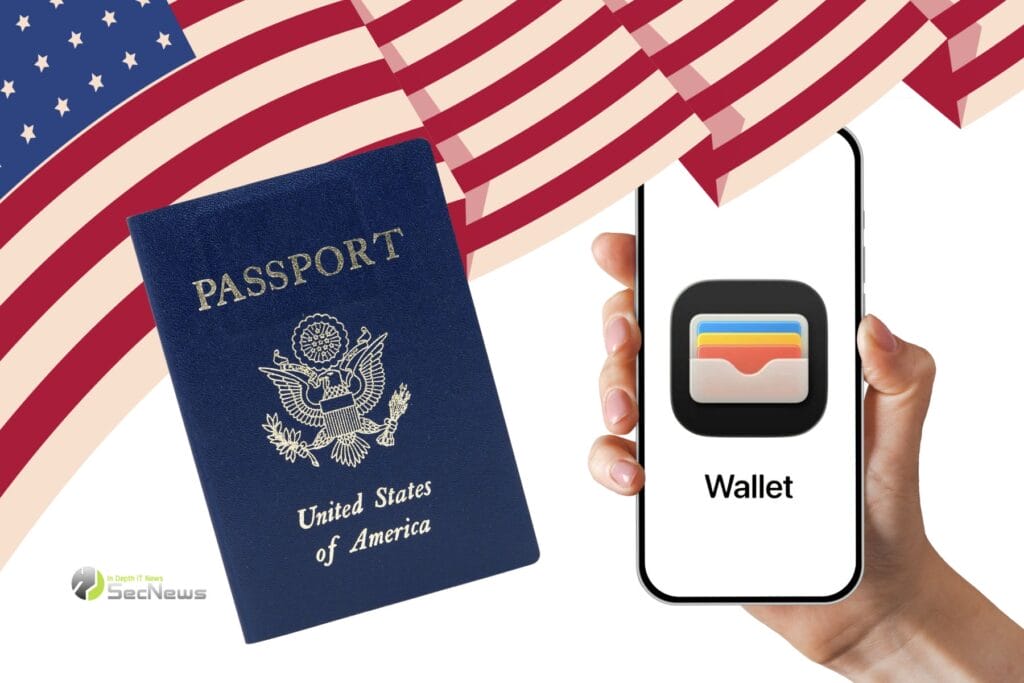
Apple has confirmed that the Digital ID feature in iOS 26 , which will allow US passport holders to add their passports to the Wallet app , will be available later in 2025.
What about Digital ID?
Apple updated the wording regarding the release timing of Digital ID on the iOS 26 features: “Digital ID will be available later this year with U.S. passports only.”
Until now, the footnote for the feature stated: “Digital ID will be available via a software update with US passports only,” with no release timeline.
See also: Apple: Downgrading from iOS 26 to iOS 18.6.2 is impossible
It's curious that Apple removed the mention of a software update, but it's likely that Digital ID will be introduced in an iOS 26.1 or iOS 26.2before the end of the year. Apple has already released the first beta of iOS 26.1 to developers, and support for Digital ID is not included. However, it could be added later during the beta testing period.
Digital ID is based on the integration of a driver's license into the Wallet app. It allows iPhone users in the US to add their passports to Wallet, with the digital passport being able to be used in place of a physical passport for domestic travel at TSA checkpoints.
Like state driver's licenses and ID cards, Digital IDs will work to verify age and identity in apps, retail stores, and websites. The option to add a passport to Wallet for use as an ID option will expand digital identification capabilities to many more iPhone users in the U.S., but Apple hasn't said whether the feature will eventually expand to other countries.
See also: Apple Music import tool now available worldwide
Apple ’s decision to delay the launch of its Digital ID feature in iOS 26 may underscore the challenges the company faces in trying to turn the iPhone into a valid means of identification . Integrating passports and other official documents into an app is not just a matter of technology; it requires complex collaboration with governments, strict compliance with international security standards, and addressing legal issues around privacy.
Apple’s strategy is clear: make Wallet the center of all digital identity and payments. But the shift away from payment cards to highly secure documents like passports brings the company face new regulatory requirements. The fact that the launch is limited to U.S. passport suggests that Apple is starting from the friendliest environment for innovation — a country with a strong tech ecosystem and government agencies (like the TSA) willing to experiment with new forms of digital identification.
The delay may also reflect Apple's need to ensure top-notch encryption and privacy protection. Passports contain biometric data and critical information that, if leaked, would have far more serious consequences than losing a credit card. At the same time, the company may be preparing partnerships with airlines, hotels, or government agencies so that the experience is fully unified from day one.
See also: iPhone 17 Pro: Apple's new approach to heat management

For iPhone users, the prospect of a digital passport promises convenience: fewer paperwork, faster airport screenings, the ability to verify age or identity without physically presenting documents. But it also brings new dilemmas. How safe is it to trust your government ID to a device that can be hacked or lost? How will users manage their dependence on Apple's ecosystem if digital ID becomes an integral part of everyday transactions?
The launch of Digital ID will be a test of whether Apple can reshape the way we perceive our identity in the digital world. If it succeeds, Wallet will transform from a payment tool into a complete platform for digital existence — but the journey to get there looks more complicated than the tech facade suggests.
