

The James Webb Space Telescope turned its attention to the “ancient” dwarf galaxy Leo P and found that it is forming stars again!
Large galaxies, like our own Milky Way, originate from smaller galaxies, known as “seed” galaxies, which grow, collide, and merge over time. These interactions cause more stars to form as gas and dust mix together. However, some of the small seed galaxies still exist in their original form, remaining unchanged for billions of years.
One such galaxy is the dwarf galaxy Leo P, which is located far enough from the Local Group of galaxies, the group of large galaxies that includes the Milky Way and Andromeda. Due to its great distance, Leo P is not influenced by these galaxies.
See also: Galaxy discovered 32 times larger than the Milky Way
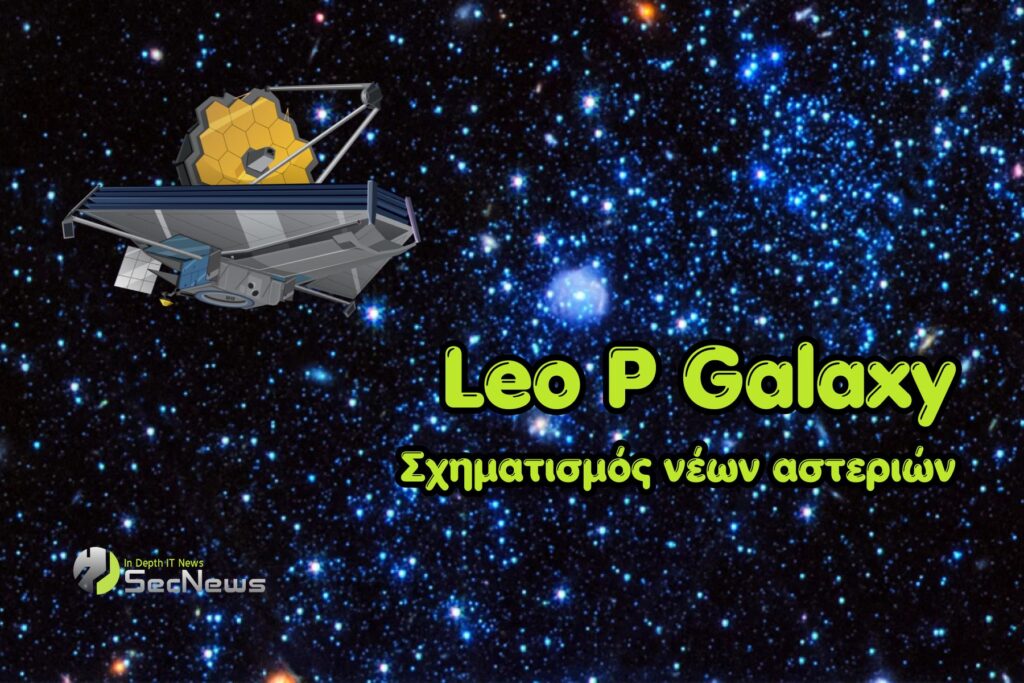
According to scientists, Leo P is similar to ancient galaxies of the early universe. Studying it can help to better understand the early cosmic history. The galaxy in question was discovered in 2013, but the James Webb telescope is now bringing new exciting data. According to observations, Leo P is unexpectedly forming new stars.
This is a big surprise for astronomers. Experts believed that small, isolated galaxies stopped forming stars when the universe was about a billion years old, during a period known as the Reionization Era.
See also: Black holes are the remnants of an ancient galaxy
James Webb's instruments were used to determine the brightness and colors of stars within the dwarf galaxy Leo P. Scientists found that the dwarf galaxy formed stars early in the universe, but stopped doing so shortly after the Reionization Era, as expected. However, again new stars. Three other isolated galaxies have shown similar behavior, but star formation stopped in all of them and never started again. Leo P is therefore a special case.
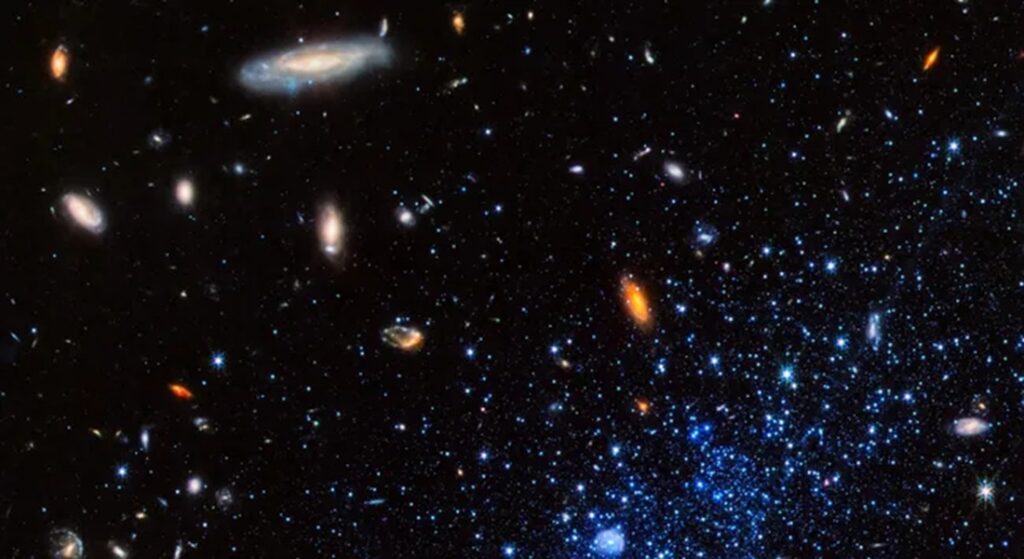
James Webb will now study four other isolated dwarf galaxies to find more clues about how star formation has changed over time.
See also: The first close-up image of a star outside our Milky Way (WOH G64)
In conclusion, Leo P is not just an interesting object, but a valuable tool for advancing our understanding of the early universe and expanding our knowledge of the diverse spectrum of galaxies. Its discovery serves as a reminder that there are still many mysteries waiting to be revealed in the world. As we continue to explore and uncover new objects, we come closer to a deeper understanding of our own place in the universe. So let's keep our eyes on the stars and never stop searching for the secrets they hold.
Source: www.livescience.com
