

A tomb with human remains discovered in Israel , buried with a 2,300-year-old bronze mirror, likely belongs to an ancient Greek courtesan who accompanied the army of Alexander the Great.
See also: Pyramid of Sahure: Hidden chambers discovered
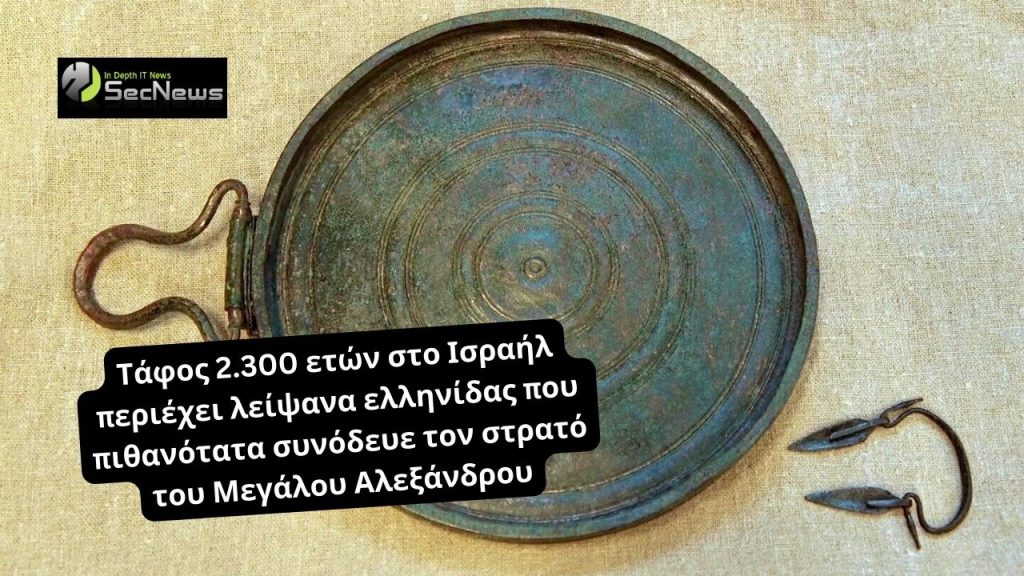
A tomb discovered in Israel may hold the ashes of an ancient Greek courtesan who accompanied the armies of Alexander the Great on their campaigns.
The woman, who was buried with a shiny bronze mirror, was placed in the tomb 2,300 years ago on the road to Jerusalem, far from any inhabited area, suggesting she may have been a professional escort traveling with soldiers — the first discovery of its kind, archaeologists said in a statement to Live Science.
“It is likely the tomb of a woman of Greek origin who accompanied a high-ranking member of the Greek military,” the researchers said in their statement.
According to researchers who spoke to the Israeli newspaper Haaretz, the woman was between 20 and 30 years old when she died and was cremated before being buried next to a "precious" bronze mirror and four iron "nails."
The mirror was enclosed in a folding case previously found in Hellenistic period tombs, suggesting the woman's Greek origins. While these accessories often feature engraved symbols and deities, the newly discovered object is decorated on the outside with a simpler pattern of concentric circles.
See also: 2000-year-old underground city discovered when man knocked down a wall
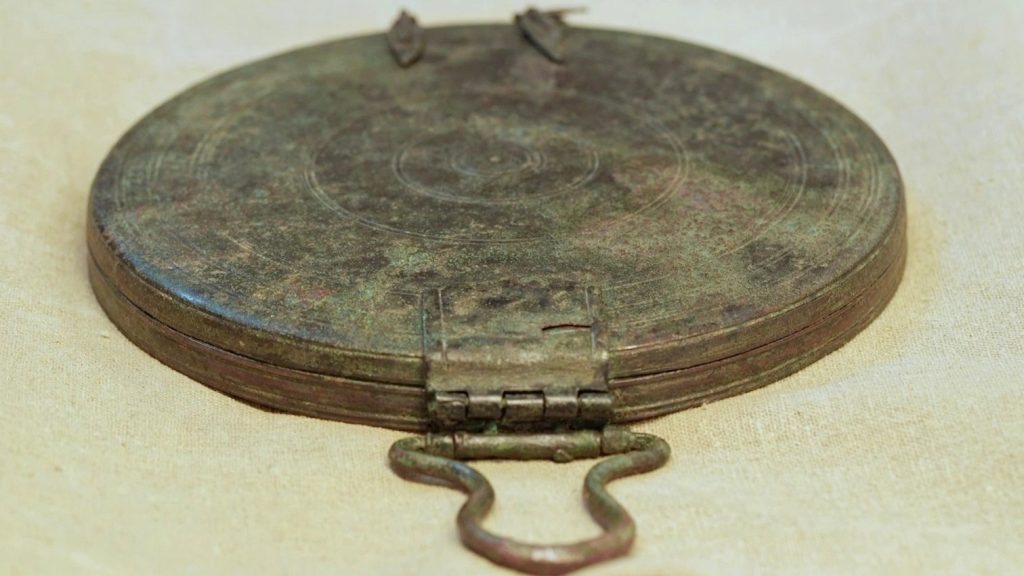
The bronze mirror was probably a gift from a senior member.
Women also acquired such bronze mirrors as part of their dowries – but married women of the time rarely left homes in Greece, let alone accompanied their husbands on military campaigns, the researchers added.
Historical records confirm that courtesans were present during Alexander the Great's campaigns, researchers reported in the Haaretz newspaper. They offered sexual services, but also entertained their clients with poetry, dance and theatrical performances.
The author added that the iron nails found in the tomb were likely identified as “magical objects,” warding off the evil eye and preventing the deceased from re-emerging. Nails are often found in ancient Greek and Roman tombs, as well as in Jewish tombs of the time.
See also: Ancient symbols may be the world's first written language
Researchers hope that a more detailed analysis of the bronze mirror will reveal clues about the woman's background, as well as the man who accompanied her.
