

Nuclear scientists in Austria are developing new coronavirus diagnostic test kits that could significantly reduce the cost and time required for the procedure. With COVID-19 diagnostic tests in short supply in many areas, many have turned to private labs that can genetically detect the pathogen. This process, called reverse transcription-polymerase chain reaction, or RT-PCR, can cost up to $400 at some private facilities.
However, the International Atomic Energy Agency (IAEA) expects to be able to provide Covid-19 diagnostic tests that cost as little as 10 euros ($10.83) with results available within hours, according to a spokesman, who noted that laboratories have been using RT-PCR diagnostic methods for decades. The IAEA’s COVID-19 detection kits are close to being shipped, according to the agency, which did not specify where they are manufactured. While individual IAEA tests could cost more than 15 euros per person, countries will still need laboratories to process the results. According to the agency, building a new unit from scratch could cost up to 100,000 euros.
The International Atomic Energy Agency’s laboratory outside Vienna has previously developed test kits for viruses such as Ebola, Zika and African swine fever. Fourteen countries in Africa, Asia and Latin America asked the agency’s scientists this month to help them speed up testing. The effort received an additional $5 million in funding earlier this week from the U.S. State Department.
The work of IAEA scientists at the Seibersdorf, Austria, laboratories goes beyond nuclear energy. They use man-made techniques mandated by members to improve health care, agricultural yields and pest control.
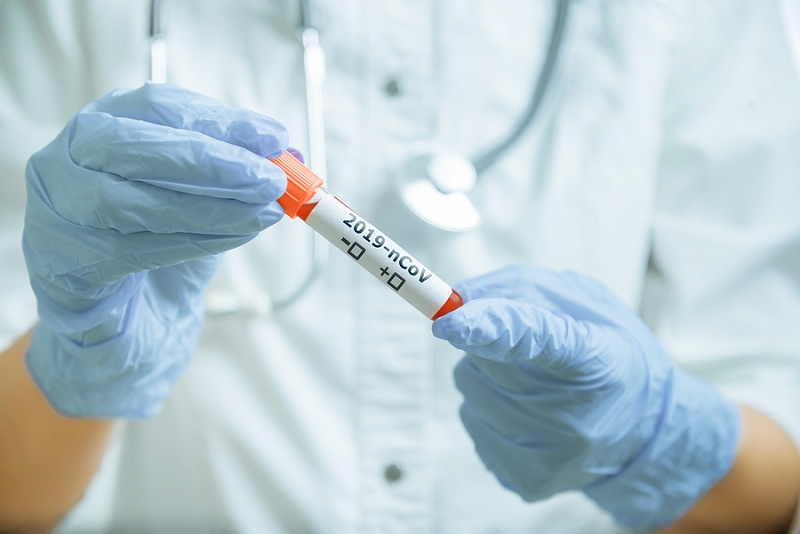
The RT-PCR tests they developed initially used radioactive isotope markers to detect the presence of specific viral genetic material. Subsequent refinement of the method led to the use of fluorescent markers for screening.
Gerrit Viljoen, an IAEA scientist, said that if there is knowledge about what is out there, then it becomes possible to take preventive measures, either by developing vaccines or by increasing the capacity to diagnose and detect. The capacity to diagnose Covid-19 is considered a key variable in limiting its spread. Finally, it is worth noting that diagnostic tests for COVID-19 have multiplied in some countries, such as Germany and South Korea, while lagging behind in others, including Italy and some areas of the US.
