

For over 19 years, Paypal has offered a reliable way of making financial transactions in the insecurity of the internet. It is no coincidence that it has had a long international presence on the internet, with loyal followers who prefer not to transact directly with their credit card but through third-party services.

So whether you want to sell online or make secure online purchases, PayPal is the safest and most convenient solution. Despite the fact that the company has set transaction security guidelines for both sellers and buyers, we are sure that most users do not bother to read them. On top of that, scammers are smart enough to bypass security measures using cheap tricks.
In this article, we will cover the seven most common Paypal scams, which will help you stay alert and understand when “something is wrong.” The first 4 scenarios concern sellers and the remaining 3 concern buyers. Let’s take a look at them:
SCAMS AFFECTING SELLERS
Scam No. 1. Open a PayPal account through a buyer's link
Scenario
If you are a seller, but do not have a PayPal account, a potential buyer may suggest that they want to buy your products, but pay you via PayPal. They may even offer you a bulk purchase as an incentive to sweeten the deal. However, when you tell them that you do not have a PayPal account, they will send you a link to open a new account there.
What's happening behind the scenes.
In reality, the buyer has no interest in buying anything from you. He just wants you to open a PayPal account using his link. This is actually a phishing attack, as the link he sends you is fake and redirects you to a fake PayPal website to sign up.
All information you enter on this website will be sent directly to the scammer. This includes your email address, home address, phone number, full credit card details, security question, password, and many other types of sensitive information.
The scammer can use all this information to hack into your other accounts, including your bank. They can also use your card details to make purchases or to scam other users.
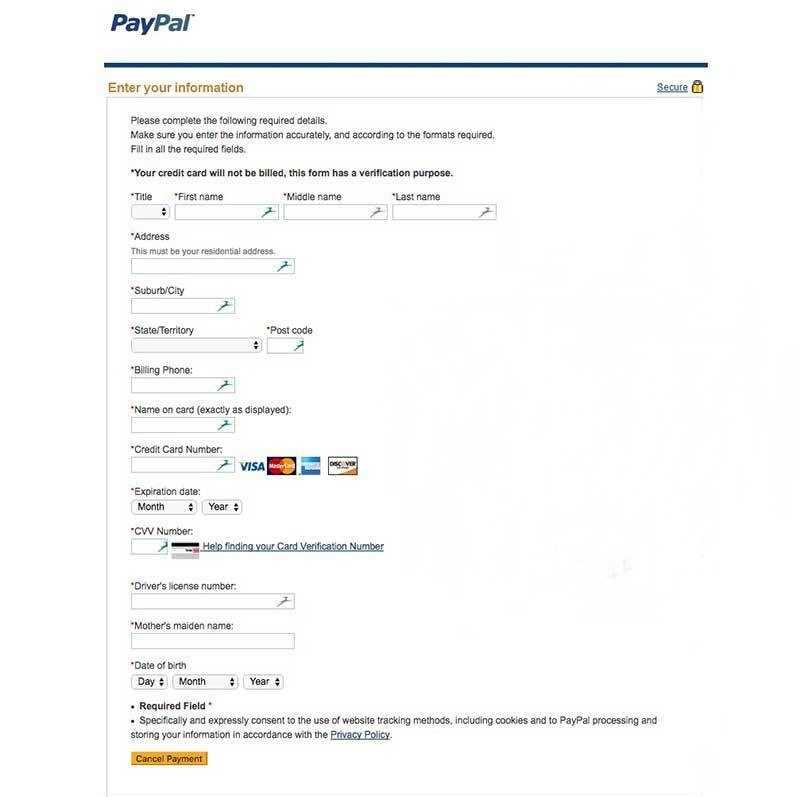
How to protect yourself from this scam?
As a general rule, never open or log in to an account given to you in an email. Always go to the official website and register or log in from there. In addition, you should pay attention to the full URL of the phishing website, which will probably not be “paypal.com”, but something close and similar, such as “paypall.com” (which is obviously fake).
Scam No. 2. Send the purchased product to a different address
Scenario
The buyer tells you that he wants to buy something for a friend and wants you to send it as a surprise gift. Therefore, although he will make the payment through his PayPal account, the purchased item must be delivered to a different address than the one he has registered with Paypal.
What's going on in the background?
PayPal is not responsible for the delivery of goods that are not delivered to the address registered by the user when opening the PayPal account. Assuming that you do not know this information, the buyer will tempt you to deliver to a different address (they may even accept that you add additional money as shipping).
When you deliver the item, the buyer will complain to Paypal that they never received the item. Now, even if you have the delivery receipt from the shipping company, PayPal can't do anything about it, since it wasn't shipped to the address registered in their database. The buyer will get their money back, and you will simply lose your product.
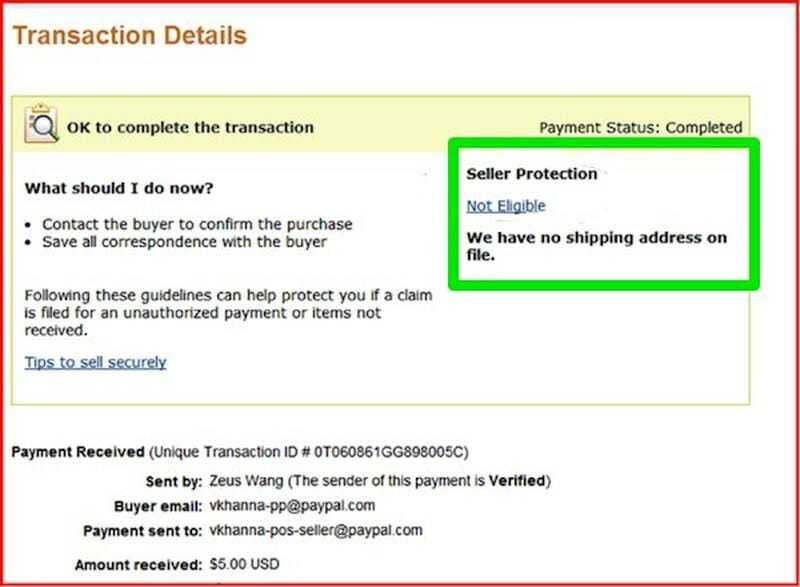
How to protect yourself from this scam?
It is clearly written in PayPal's security guidelines that you should never deliver a product to an address other than the one registered with PayPal. Do not violate this rule and you will reduce the risk of such requests.
Scam No. 3. Overpayment
Scenario:
The customer bought some products from you but paid extra money. Then, they send you a message that they accidentally sent you extra money and you have to return the extra money back to them, via phone check or use any other, non-secure, payment method.
What's happening behind the scenes?
The buyer may be using a hacked PayPal account to make the payment. When the real owner of the account learns about the money transfer, they will ask PayPal to refund the entire amount.
PayPal will refund the money to the PayPal account owner and you will likely get your item back (or you may not have sent it yet). However, you will lose the extra money you sent to the scammer.
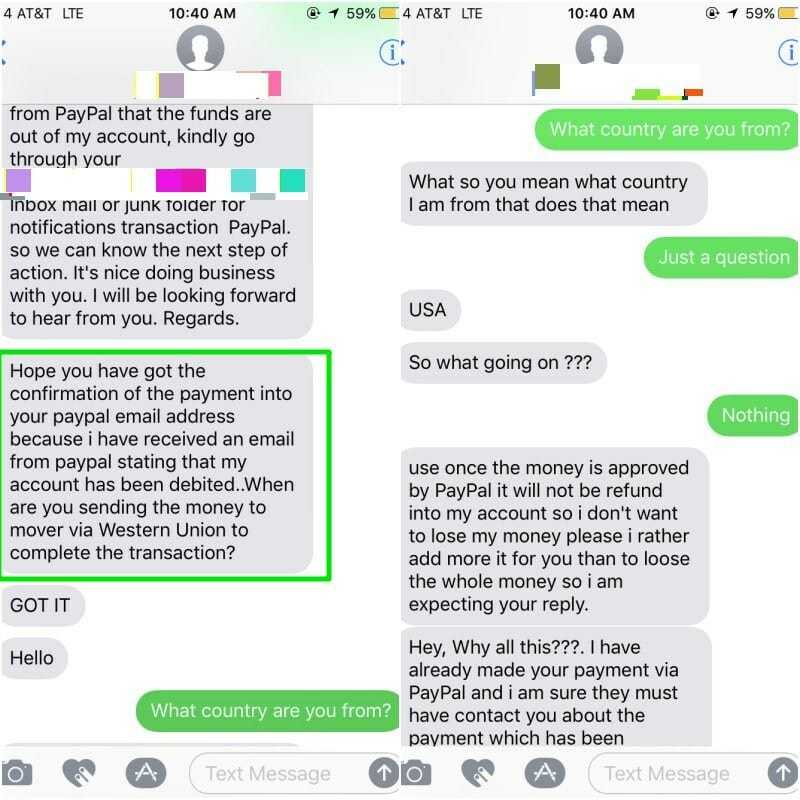
How to protect yourself?
If you have initiated a transaction through Paypal, stay with it until the entire process is completed. After all, Paypal can only offer protection for transactions that have been made using its platform. For such requests, you should refund the full amount and ask them to send the correct payment again. You can also let PayPal know about this claim of your customer and ask them to handle the situation.
Scam No. 4. The buyer should arrange the shipping company
Scenario
The buyer wants to purchase your product and have it delivered to the address registered in their Paypal account, but the delivery should be made via the shipping company suggested by the buyer, and they are willing to arrange the procedures themselves. It can be justified that this will help save money or ensure a safer delivery.
What’s happening behind the scenes?
When you let the buyer arrange shipping with their preferred shipping company, the buyer essentially has complete control over the shipping process. They can easily reroute the shipment to a different address than the one registered with PayPal. They can then claim that the product wasn’t delivered to their address and want a refund. And you won’t be able to prove it.

How to protect yourself?
As a seller, you should take full responsibility for the payment and shipping of your products. Don't accept favors from the buyer or do anything that is outside of PayPal's procedures or your control. Make it clear to the buyer that PayPal will handle the payment and that you will arrange the shipping.
SCAMS AFFECTING BUYERS
Scam No. 5. Send money as “friends and family”
Scenario
To complete the payment, the seller may ask you to send the payment as “friends and family.” They may also claim that this will help you avoid transaction fees and may even entice you with a discount.
What's happening behind the scenes?
The friends and family method is only available for transactions between close friends and family members you trust who are not selling products. Therefore, the “PayPal Buyer Protection Policy” does not apply to this transaction.
If you use this method to purchase goods, the seller may refuse to ship their goods after receiving your money. You cannot make a claim against them regarding these payments and communicating with PayPal will be fruitless.
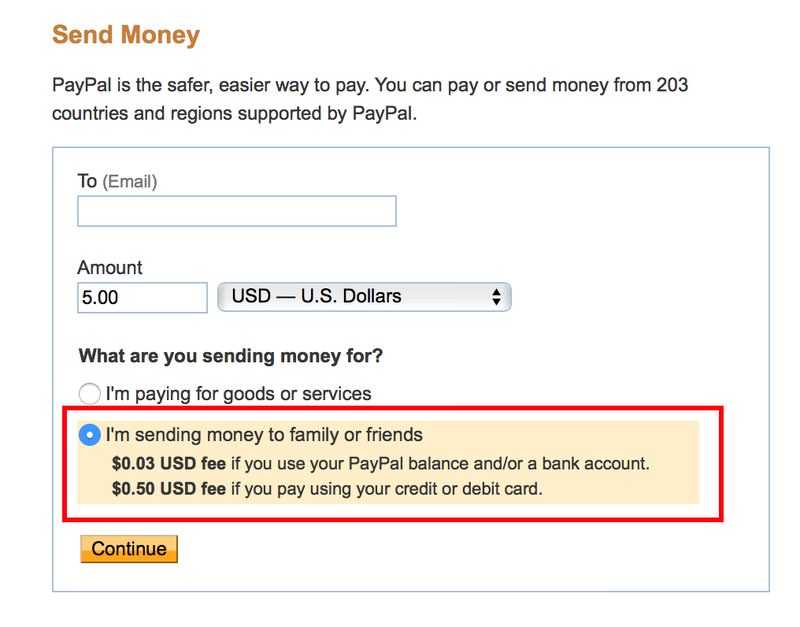
How to protect yourself?
PayPal’s “friends and family” method should only be used for transferring money between trusted friends and family members, where there will be no subsequent claim against Paypal. If you want the company’s protection for purchase and sale transactions, then only use the “Goods or services” method, which is a purely business transaction.
Scam No. 6. The seller sends a fake invoice
Scenario
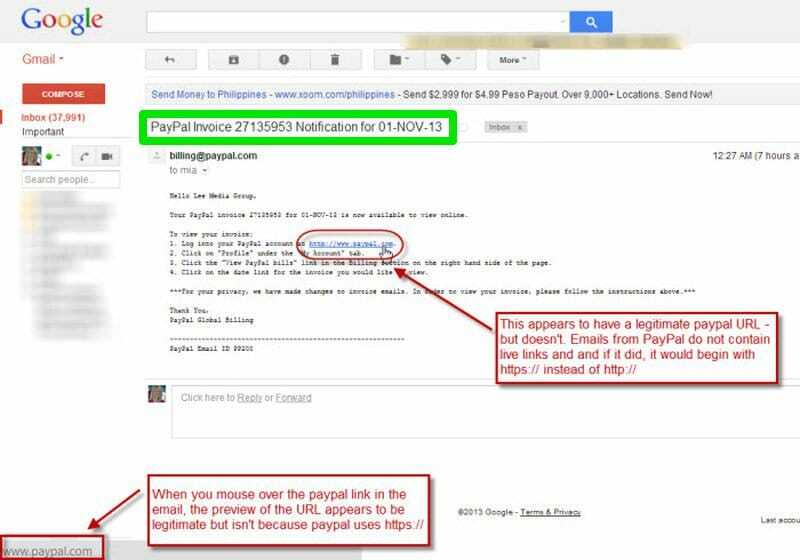
For bulk purchases, the seller may tell you that they will send a PayPal invoice and you should make payment accordingly. You will then receive an email from PayPal with a link to an invoice for the total amount.
You will then need to log in using your PayPal credentials to make the payment (even if you are already logged in). Usually, nothing happens when you log in, or you may get an error.
What's going on behind the scenes?
The seller's invoice sent to you is fake, and it's not the official PayPal address you received via email. When you click on the link in the email, it will redirect you to a fake website with a fake PayPal login field. Your credentials will be sent to the scammers, and your account will be hacked.
How to protect yourself?
You should be a little cautious about invoices from untrusted sources. First, make sure the address you received the message from is “support@paypal.com”. As with scam #1, make sure the website the invoice is located on is “www.paypal.com” and not something similar. More details about fake emails are at the end of this article.
Scam No. 7. They offer you payment via PayPal, but redirect you to a different method
Scenario
The seller says they accept PayPal payments. However, when you're ready to complete the payment, the seller asks you to use a different method, such as Western Union or wire transfer. They'll likely offer a lower fee or even give you a discount for using the different method.
What's happening behind the scenes?
PayPal offers buyer protection and ensures that you receive the goods you expect. Most other payment methods don't offer such protection, and once the money is sent, it can no longer be recovered.
So, the seller may try to trick you into using a different method for a better price and may not ship the product to you. By using their method of choice, you will not be able to make any claim and you will lose your money.
How to protect yourself?
Protection is probably the main reason most people use PayPal for their transactions. Stick to the original terms and tell the seller that you will only make the payment through PayPal. No matter how sweet a second deal seems, it's not worth the risk of losing all your money.
Additional information
While the above are the most common scams, you should not forget that fake emails are often used for PayPal scams. There are hundreds of ways that scammers can use fake emails to trick PayPal users. However, the following basic rules should help you prevent such traps. So here are some clues that may help you spot fake PayPal scam emails:
- The email will not be from support@paypal.com
- It asks for confidential information, such as bank details, PayPal login details, full name, the answer to your security question, as well as other similar information that could be exploited.
- PayPal will never ask you to install or download anything.
- The fake email will not address you by your name. PayPal knows your name and its genuine emails always mention it.
- The content of the messages creates a sense of urgency. For example, “Click now to get $50 coupon” or “We have noticed suspicious activity in your account, click the link below to confirm.”.
PayPal also has an extensive guide on how to identify fake PayPal emails and websites. You can refer to that for more details.
Epilogue
The best protection against PayPal fraud is to read the company's rules, stick to them, and never complete a transaction if you have any doubts. PayPal offers simple guidelines for both sellers and buyers regarding its purchase protection policy. Again, you should read them if you want to avoid fraud.
The 7 common scams I have listed above should have given you an idea of how you might be scammed.
