

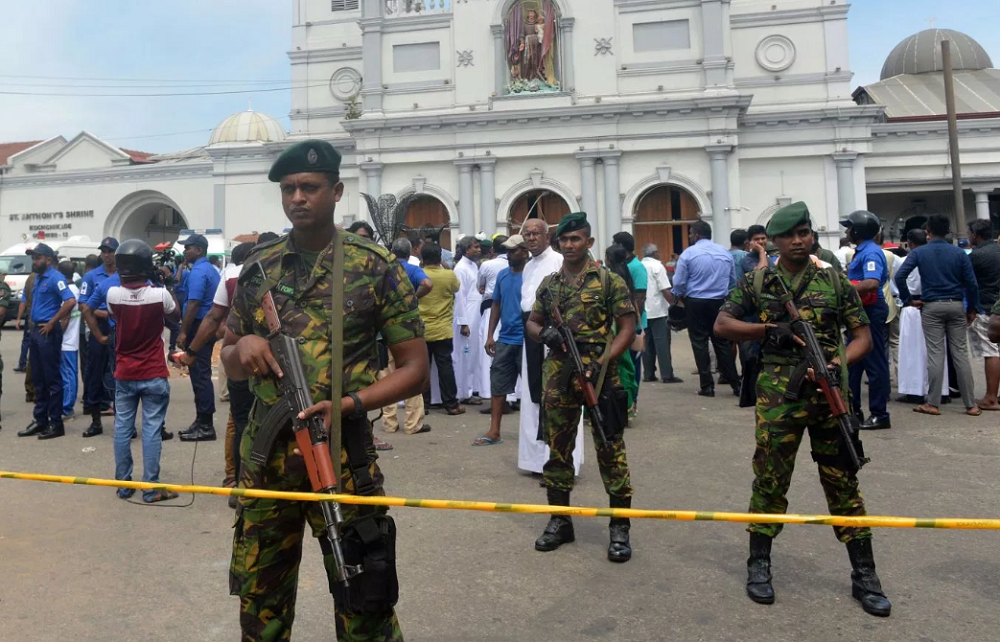
The government of Sri Lanka temporarily blocked access to various social media services after deadly explosions that erupted in the country, killing at least 207 people and injuring hundreds more. Eight bomb attacks have been reported, on Catholic Easter in three churches and some hotels.
In a brief statement, the secretary to the President of Sri Lanka, Udaya Seneviratne, said that the government “decided to temporarily block social media sites such as Facebook and Instagram in an effort to curb the “fake news”. The government said that services will be restored once investigations into the attacks reach a conclusion. The Prime Minister of Sri Lanka, Ranil Wickremesinghe, described the explosions as a terrorist incident.
Nalaka Gunawardene, confirmed in a tweet that WhatsApp was also blocked in the country. Others reported that they were unable to access YouTube. But some said they were able to use WhatsApp.
Ruchika Budhraja, a Facebook , told TechCrunch: “Our thoughts are with the victims and their families, and the community affected by this horrific act. Teams across Facebook are working to support first responders and law enforcement, as well as to identify and remove content that violates our standards. We are aware of the government’s statement regarding the temporary blocking of social media platforms. People rely on our services to communicate with their loved ones, and we are committed to maintaining our services and helping the community and country during this tragic event.”
It is a rare but not unprecedented step for a government to block access to widely used websites and services. Although Sri Lanka's move seemingly aims to prevent the spread of false news, it is likely to have a chilling effect on freedom of speech and on people's efforts to communicate with their loved ones.
Sri Lanka, like other emerging nations, has struggled in the past with misinformation. The government complained that the false news that have been shared on Facebook helped spread hatred and violence against the country's Muslim minority. Other countries, such as India, say that the Encrypted Messaging app WhatsApp has contributed to the spread of misinformation, urging the social media company to add limits to the number of groups to which a message can be sent.
Iran and Turkey also block access to social media sites in recent years amid protests and political unrest.
