

After years of releasing Kinect, Microsoft has finally decided to end the release of the revolutionary console.
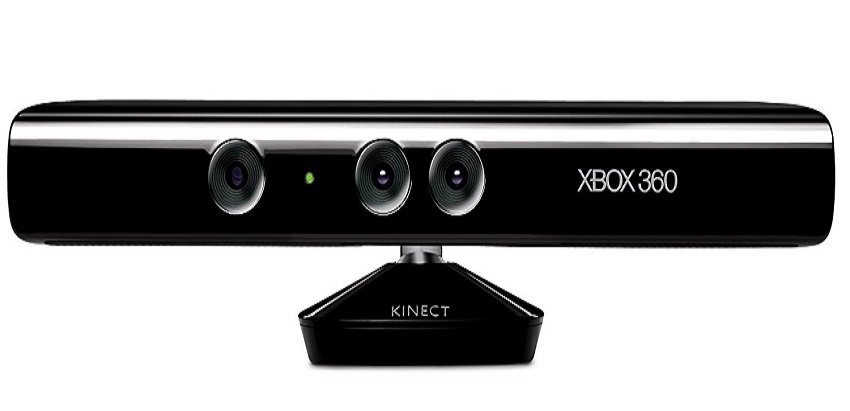
Microsoft told innovation site Fast Co Design that after seven years in production, it will now stop releasing the Xbox companion console, which allowed players to get off the couch and actively get into the game by jumping, playing and tapping.
Kinect uses infrared mapping to capture the 3D shapes of rooms and the acrobatic movements of people within them.
There are still about 35 million Kinect devices in the world today, a testament to how popular they were: In 2011, Kinect was the fastest-selling device on Earth, selling over 130,000 units a day for two months.
Game developers, however, were not enthusiastic about developing games that involved actively moving bodies. Developers, who had thrived designing games based on a traditional handheld controller, had little incentive to change them – so, for the most part, they didn’t. As a result, a few and mostly unrecognizable games were created that specifically took advantage of the Kinect’s features.
Big franchises – like the Halo games – never made the leap to Kinect's active style of gameplay, at least not in any kind of groundbreaking way that could validate the device's use for developers.
In the latter stages of its life, Microsoft added to Kinect the ability to stream video and audio via Skype and Twitch, but apparently that couldn't justify its existence.
Kinect's 3D sensing technology exists beyond Microsoft and will soon be used everywhere: it lives in the upcoming iPhone X, which has stirred both excitement and concern with its infrared facial recognition technology.
Kinect itself may be dead, but we'll see its applications expand far beyond its failed entry into video games.
