

After hitting computers, cybercriminals are turning their sights on smartphones. A new type of ransomware hasbeen released that is specifically designed to work on devices running Android. Ransomware that targets smartphones encrypts devices until victims pay a ransom to obtain the decryption keys to unlock the phone.
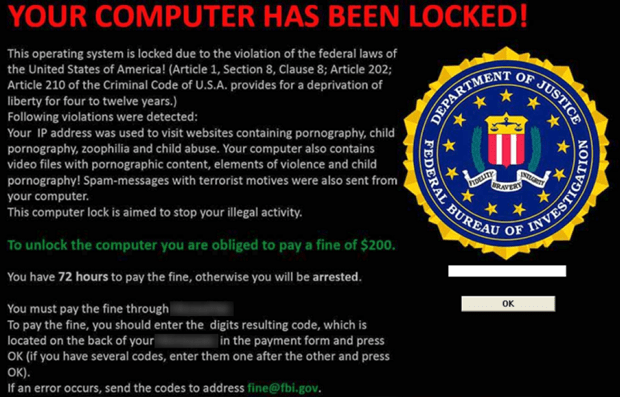
Until now, we knew that Ransomware usually targets personal computers, extorting ransom from their victims. This particular malware has become a very lucrative way for online scammers to make money. So they thought of expanding the business, developing a Ransomware for Android.
So the scammers started creating malicious programs and disguising them as antivirus applications or others that are unfortunately available in the Google Play Store. Only instead of protecting your devices, they come to lock them until you pay a ransom to unlock them.
The “Police Locker” ransomware malware was discovered by the Malware don't need Coffee. According to a recent report by the researcher, the criminals behind the REVETON ransomware have joined forces with the Nertra Ransomware group and are targeting Android, Windows, Mac OS X and Linux users.
To spread the ransomware malware, the crooks use various social engineering techniques, fake Antivirus applications, fake audio-video codecs and the Browlock ransomware.
According to the researcher, the trapped (malicious) websites are so cleverly constructed that:
If the victim visits the page with Internet Explorer, a variant of the Winlock ransomware is served.
If the victim surfs with any other browser for Windows, Linux, or Mac, the websites offer the Brownlock malware.
If the victim visits the site with a browser running on Android, they are directed to a website that automatically serves a malicious application (APK file) disguised as a video downloader.
Ransomware in the Android version displays a message threatening the user with arrest or prosecution for visiting child pornography websites or having porn on their device. Frightened users are often willing to pay hundreds of dollars to avoid a fine, the potential outcry of an arrest, or simply to unlock their system.
Android users should download apps from Google (and from there, of course, you should be wary) and not from third-party websites.
