

Speaking to the Guardian newspaper, the creator of the Internet as we know it today, Sir Tim Berners-Lee, stressed the need to create an online bill of rights that would ensure the security and independence of the Internet and its users.
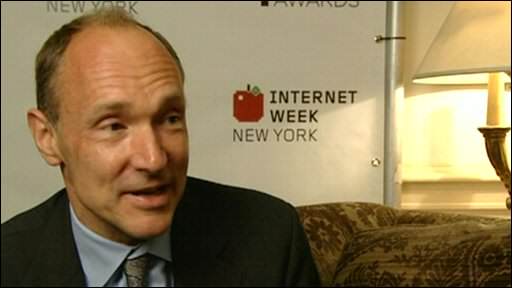
Berners-Lee gave the interview on the occasion of the 25th anniversary of his first draft, the first proposal for how the "World Wide Web" should evolve. The "father of the Internet" emphasizes the need for the creation of a global regulation, a declaration of rights.
Berners-Lee's Magna Carta* is to be part of the "The Web We Want" movement, which calls on people to create a digital bill of rights, each in their own country. He believes that such a bill of rights could be supported by public institutions, government officials and businesses.
As he emphasizes, “if there is no open and neutral Internet, then we cannot have open governments, good democracy, a health system, proper communication and the interconnection of cultures”. To add, “it is not naive to think that we can have such a thing, but it is naive to think that we can just sit back and wait for it to come by itself”.
The Guardian: Online Magna Carta calls for Berners-Lee
Tim Berners-Lee has been particularly critical of the American and British intelligence services and the surveillance system they have set up, as revealed by Edward Snowden. He has also been critical of the tactics of the American NSA and the British GCHQ, of undermining the security and encryption tools of technology companies.
Beyond the principles of respecting users' privacy, freedom of speech and responsible anonymity, Berners-Lee believes that the declaration he envisions can also resolve issues such as the impact of copyright laws and ethics on the Internet. He also believes that the "Web We Want" initiative can gain broad support from the world, despite the lack of public interest in the Snowden case.
Additionally, in his interview he also mentioned the need to remove American control over the database for Internet domain names, so as to better reflect the global nature of the Web.
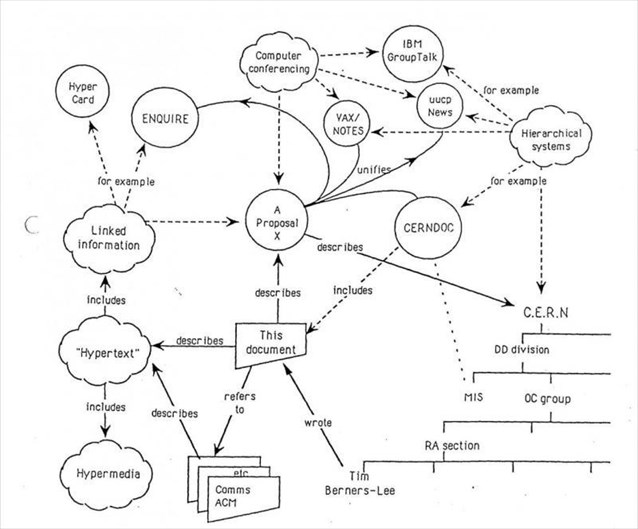
Tim Berners-Lee's original vision was a global network for sharing information and knowledge, and a tool for collaboration among scientists and other workers. Over time, the Web emerged as a publishing platform for disseminating information.
*Magna Carta, Latin for Great Charter, refers to the charter issued in 1215 that required King John of England to renounce some of his rights and agree to be bound by the laws. At the same time, the charter protected the rights of the king's subjects.
