

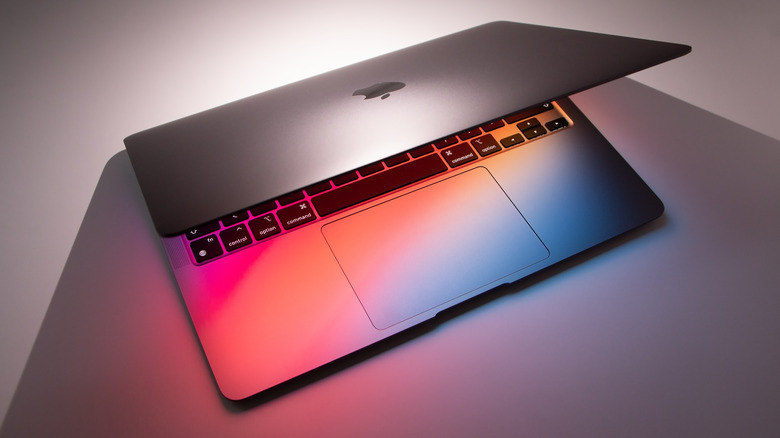
Despite a price increase in June, the MacBook Air is currently facing a "major" shortage, according to Bloomberg 's Mark Gurman . This shortage has created significant challenges for Apple, as the MacBook Air is one of the company's most popular products, known for its sleekness, performance and reliability. The shortage is not just an availability issue, but reflects deeper problems in the global supply chain.
See also: What can we expect from the upcoming M5 MacBook Air?

Retail sources say Apple is struggling to keep the laptop in stock and that shipments of new units are tighter than ever. In the U.S., the MacBook Air is facing an estimated delivery time of 2-6 weeks on Apple’s online store, with configurations with more RAM taking longer. This delay is particularly concerning for consumers who rely on the MacBook Air for both work and personal needs.
The supply of the MacBook Air is limited due to an ongoing shortage of memory chips, resulting from companies building data centers with powerful AI servers. The increased demand for powerful AI servers has affected the global memory chip market, causing problems for many electronics manufacturers. Demand for AI technologies has skyrocketed as enterprises invest in infrastructure that can support processing big data and running complex algorithms.
This has led to a spike in prices for RAM and SSD storage chips used in a wide range of Apple products, and the MacBook Air is now affected along with the Mac Studio and Mac mini. The increase in chip prices has a direct impact on the cost of producing the devices, which may be passed on to consumers through price increases.
See also: The 16-inch Acer Swift Air weighs less than the 13-inch MacBook Air
In June, Apple raised prices on 14 products, including the MacBook Air. In the U.S., the laptop now starts at $1,299, up from $1,099. Despite this price increase, it seems Apple can't keep up with demand at the moment. The price increase can be seen as an attempt by Apple to manage demand and offset increased production costs, but it hasn't stopped consumers from wanting the product.
This shortage is a major issue for Apple, as the MacBook Air is one of the company's most popular products. Apple is trying to address the situation, but the chip shortage is a problem that cannot be solved immediately. Consumers looking to buy a MacBook Air should be prepared for possible delays in delivery. This situation highlights the vulnerability of the global supply chain and the need for strategies that will reduce dependence on specific suppliers and technologies.
Apple, like other companies, will need to consider alternatives to ensure the stability of its production in the future. This may include developing new relationships with suppliers, investing in technologies that reduce dependence on specific components, and strengthening the resilience of the supply chain. Managing these challenges is critical to maintaining Apple's position in the market and satisfying its customers.
See also: End of an era: The latest 11-inch MacBook Air is officially obsolete
The MacBook Air shortage is a reminder of the risks that come with globalized production and reliance on limited resources. As technological demands continue to increase, companies must be prepared to address such challenges with agility and innovation.
