

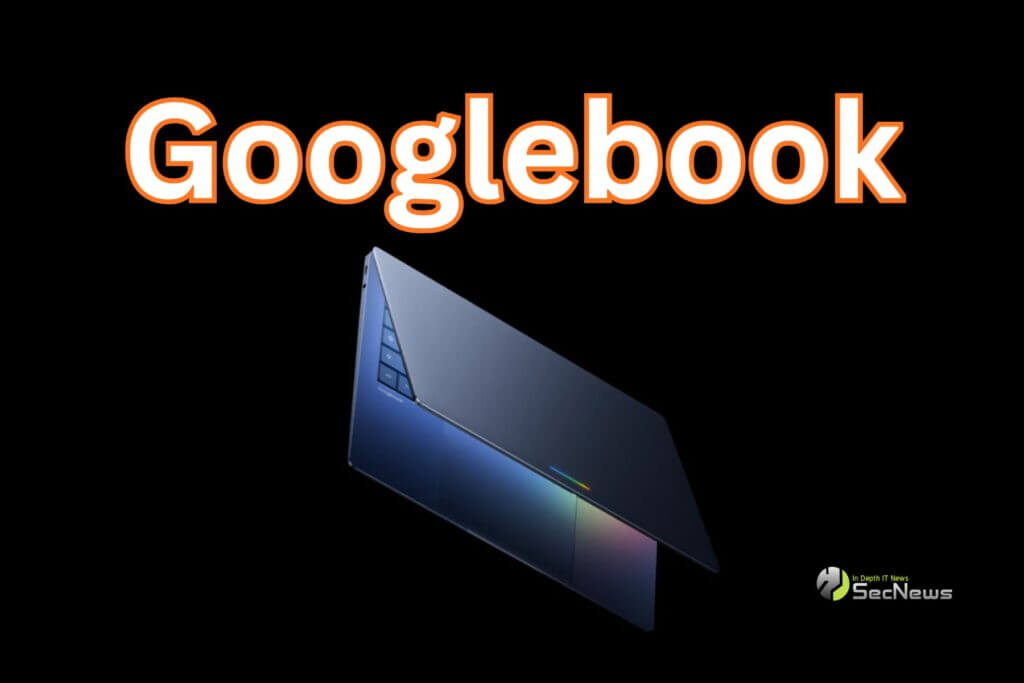
Google has announced a new line of Googlebook laptops that will be built with Gemini. The Googlebooks will run on software based on a platform that combines Android and ChromeOS. Google says these new laptops are designed for Gemini Intelligence, offering a more personalized and proactive experience.
How will the new Googlebook laptops work with Gemini?
Instead of a traditional cursor, Googlebooks feature a Magic Pointer that users can wave to activate Gemini.
Gemini can then provide suggestions and answers based on where the user is pointing on the screen. Pointing to a date in an email creates a meeting, while selecting two images can view them together. Tools like 'ask', 'compare' and 'combine' are available with Magic Pointer. 'CreateMy Widget', a new Android feature, is coming to Googlebooks.
See also: Gemini AI comes to Google Maps for CarPlay
Users can create custom widgets with a Gemini prompt. Gemini is capable of searching the web and connecting to Google apps like Gmail and Calendar to create a personalized dashboard that can be used to create widgets.
As Googlebooks will run Android, it will be easier to switch between a Googlebook and an Android smartphone.
Apps from a connected Android smartphone will be available on Googlebook , with a feature set similar to Apple's iPhone Mirroring
The 'Quick Access' feature will allow users to view, search or import files from a smartphone to the laptop, without requiring a transfer.
Googlebook creation and collaborations
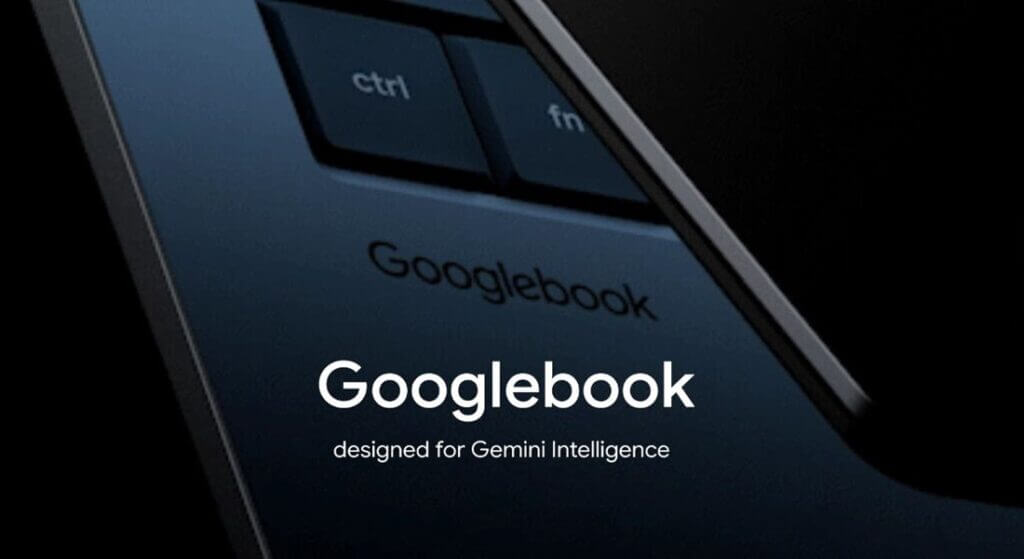
Google says it is working with Acer, ASUS, Dell, HP and Lenovo to build the first Googlebooks.
See also: Google Health is killing off the Fitbit we knew
The devices will be made with 'high-quality materials, in a variety of shapes and sizes.' Each will have a 'light bar' on the lid, making it clear that it's a Googlebook.
Google hasn't provided pricing information for the Googlebooks, but the mention of "high-quality" construction likely means they'll be relatively expensive (perhaps more expensive than Apple's low-cost MacBook Neo).
The first Googlebooks are expected to be released this fall.
With Googlebooks, Google is making it clear that the future of personal computing will revolve around artificial intelligence , not just hardware. The integration of Gemini at the center of the user experience marks a new era where the laptop becomes an “intelligent” personal assistant that understands content, anticipates needs, and interacts more naturally with the user. The transition from the traditional cursor-and-app-based model to an environment based on AI interactions can fundamentally change the way we work, organize information, and use our devices every day.
See also: YouTube app for Google TV revamps side menu
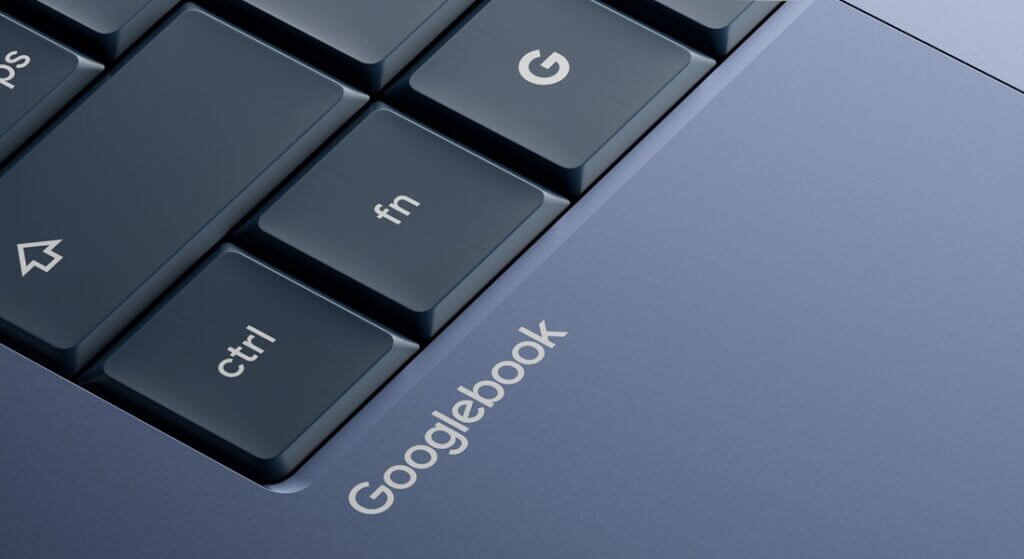
At the same time, Google seems to be taking direct aim at Apple and the MacBook ecosystem, investing in premium design, deep integration with Android devices , and advanced AI capabilities. The collaboration with manufacturers such as Acer, ASUS, Dell, HP, and Lenovo shows that the company wants to create a whole new category of computers with a common identity and emphasis on the Gemini experience. If Googlebooks manage to combine high autonomy, quality construction, and substantial AI functions at a competitive price, then the laptop market may enter a new phase of intense competition, where artificial intelligence will be the main criterion for choosing a device.
