

Apple is reportedly prioritizing larger batteries and more advanced health sensors in the Apple Watch, while ditching Touch ID.
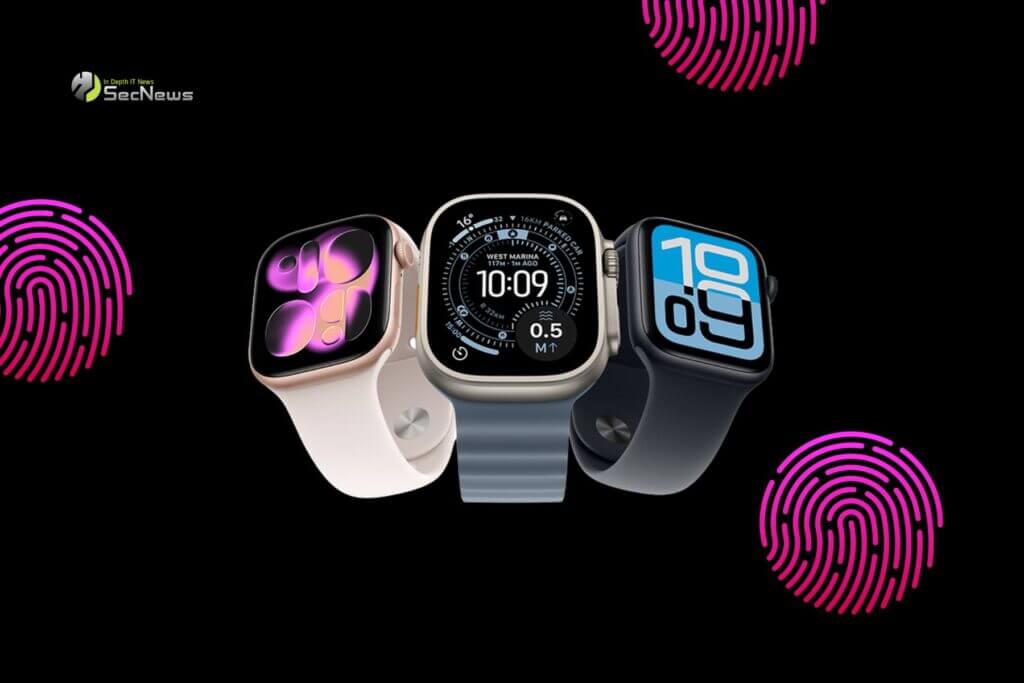
In a new post on Weibo, leaker Instant Digital has refuted recent speculation about the introduction of biometric recognition on new Apple devices, claiming that the company will continue to let users unlock their devices via their connected iPhone.
Adding Touch ID sensors would introduce additional cost and consume valuable interior spacethat could be used for battery capacity, something Apple is apparently not willing to do at this stage, according to the leaker.
See also: How Apple can improve Hide My Email in iCloud+
Last August, MacRumors reported that it had evidence suggesting that Touch ID could arrive on the Apple Watch Series 12 or Apple Watch Ultra 4. Following that, rumors circulated that Apple could place the Touch ID sensor under the display or integrate it into the side button, similar to its implementation on the iPad mini and iPad Air. As things stand, the 2026 Apple Watch models are not expected to feature any major design changes.
When that happens, Apple could introduce non-invasive blood glucose technology monitoring , but for now the feature remains in the early stages of development.
See also: Apple is reportedly working on a new AirTag-sized wearable

Apple Watch: Canceling Touch ID, focusing on other aspects
Apple's strategy seems to remain firmly focused on improving battery life and enhancing health features, two areas that users now consider crucial to the daily Apple Watch experience . Rather than investing directly in solutions like Touch ID, the company seems to prefer upgrades that offer more immediate practical benefit, such as longer battery life and more advanced health tracking.
See also: Apple may be working on a 'Spatial iPhone' with a holographic display
If the information is ultimately confirmed, it's clear that Apple is taking a more gradual approach to big changes, holding off on technologies like biometric authentication until they can be incorporated without compromise. Until then, the next Apple Watch is expected to focus more on optimizing the existing experience, rather than making impressive but perhaps premature additions.
