

Sony is facing a serious PS5 sales crisis , having sold just 1.5 million consoles in the last quarter of its fiscal year , a 46% drop from the same period last year. This dramatic decline comes after two consecutive price increases that raised the cost of the regular PS5 from $499.99 to $649.99 . This $150 increase represents a 30% increase in the retail price , which has significantly discouraged consumers.
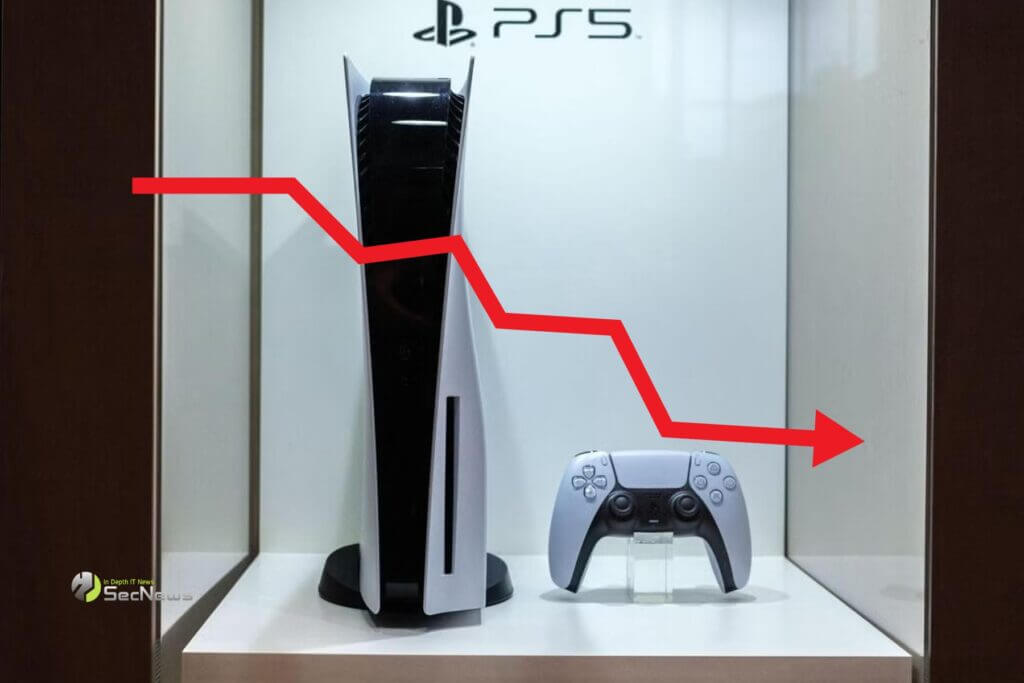
The Japanese company attributed the price increases to “ongoing pressures in the global economic landscape,” amid an ongoing memory supply crisis and pressures from the Iran war. Geopolitical instability has significantly impacted semiconductor supply chains, with prices for memory used in the PS5 increasing by 40% in the past twelve months. Sony’s forecasts show that annual gaming revenue will decline by 6%, with those estimates likely to be further impacted by ongoing memory costs and market uncertainty.
See also: Sony increases PS5 prices by $100
The “memory crisis” and its impact on the gaming market
Sony revealed in February that it had secured “the minimum necessary amount” of memory to handle the holiday shopping season, and that it was working “with various suppliers to ensure sufficient supply to meet customer demand.” That statement suggests the company is operating on minimal inventory, making it vulnerable to supply chain disruptions.
According to The Verge, in the entire 2025 fiscal year, Sony sold 16 million PS5 consoles, while the previous one had sold 18.5 million (a total drop of 13.5%).
See also: Sony upgrades graphics AI for PS5 Pro
The hardware market in general is facing significant challenges at the moment, with all the major players reporting losses. Microsoft revealed recently that Xbox hardware revenue fell 33% year-over-year. At the same time, the company reported a 5% decline in Xbox content and services . Nintendo is also raising the price of the Switch 2 by $50 on September 1st and predicting sales will decline next year.

Market analysts say the “memory crisis” hitting the gaming industry is being driven by a combination of factors, including geopolitical tensions, supply chain disruptions and increased demand for semiconductors in other sectors such as artificial intelligence and electric vehicles. Competitive pressure from the AI industry has led to a 60 % increase in prices for high-bandwidth memory chips compared to the previous year.
See also: Sony did not meet its sales target for the PS5
The gaming market is expected to remain challenging in the coming months as companies struggle to balance profitability with price competitiveness. Consumers are expected to face higher prices for gaming hardware until at least mid-2026, while companies will need to find new ways to manage supply shortages and remain competitive in a shrinking market. The success of the PS5 in the coming years will largely depend on Sony ’s ability to secure stable supplies of components at competitive prices.
