

Apple is moving more decisively to reduce its dependence on Chinese manufacturers, ahead of the launch of new products with OLED panels (according to DigiTimes).

Apple appears to have stepped up its efforts to distance itself from Chinese suppliers like BOE, which have historically played a significant role in the company's display supply chain. The impact on BOE has already been significant. DigiTimes reports that the company's dedicated production line for Apple in Mianyang, Sichuan, has seen utilization rates drop from around 82% in 2024 to 48% by February 2026.
See also: Apple wants to bring ads to Apple Maps
Shipments to Apple have also fallen sharply (down more than 40%) compared to initial expectations. OLED panel from Sichuan to Apple's assembly partners in Vietnam fell more than 50% year-on-year in February.
See also: Apple's WWDC 2026 starts on June 8
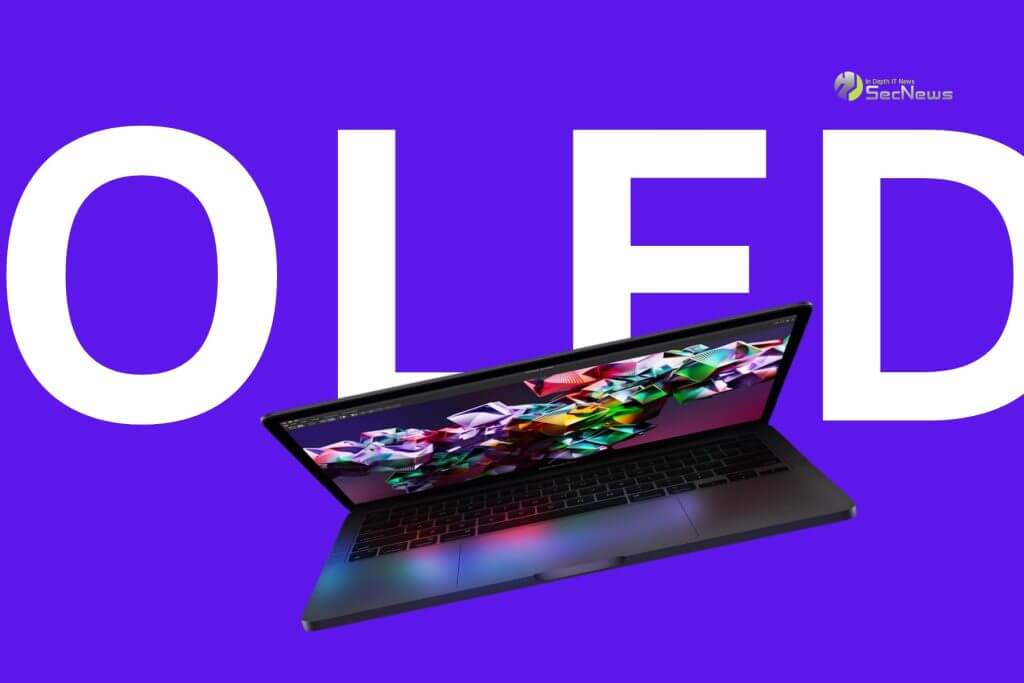
OLED screens: Apple is moving away from China and turning to Korea
Instead of Chinese suppliers, Apple is increasingly relying on reliable South Korean display makers like Samsung Display and LG Display. DigiTimes reports that Apple's future devices, including the iPhone 18 Pro, the first foldable iPhone, and upcoming MacBook Pro and iPad mini models, are expected to rely primarily on OLED panels from these companies.
All these products are expected to be released this year, with OLED technology coming for the first time to the MacBook Pro and the iPad mini.
See also: iPhone Air is 2 times more popular compared to Plus

The supplier change reflects a broader shift in component sourcing that has been underway for several years. The company is seeking to reduce supply chain risk. Apple has already moved final assembly to countries such as India and Vietnam.
