

Waabi, a Toronto-based startup developing autonomous trucks, has announced a partnership with Uber to develop robo-taxis. The company said it has raised $1 billion in new funding, $750 million of which is tied to its deal to develop 25,000 robo-taxis with Uber.
See also: Tesla's robotaxi: Cheaper than Waymo but with a longer wait
Waabi, founded in 2021 by Raquel Urtasun, the former chief scientist of Uber’s now-defunct Advanced Technologies Group , is expanding its portfolio to include robo-taxis. Initially focused on trucks, Waabi uses proprietary software to automate driving on commercial delivery routes in Texas. But as autonomous trucks have proven more difficult than expected and with interest in robo-taxis growing, Waabi is turning its attention to autonomous shared-use vehicles to demonstrate the potential of “natural AI.”
To support this shift, Waabi has raised $1 billion, including $750 million in an oversubscribed Series C led by Khosla Ventures and G2 Venture Partners, along with additional funding from Uber specifically for robo-taxis development. As part of the deal, Waabi plans to deploy at least 25,000 robo-taxis that will run on its technology on Uber’s platform.
See also: 21 states join FTC lawsuit against Uber

Urtasun stressed that this number is a minimum target.
“This is a bold announcement from a startup that has yet to validate its autonomous trucks for commercial operation, let alone deploy a single robo-taxis,” Urtasun noted. He did not specify a timeline for development, target markets or vehicle platform for the robo-taxis. However, he claimed that the technology used for the trucks could also be applied to robo-taxis, as both require navigating to specific locations for loading and unloading, similar to picking up and dropping off passengers.
Waabi is not the first autonomous vehicle company to turn to robo-taxis, reflecting the growing excitement around Waymo's early successes and the influx of investment into startups with robo-taxis plans.
See also: Uber and Avride bring robotaxi service to Dallas
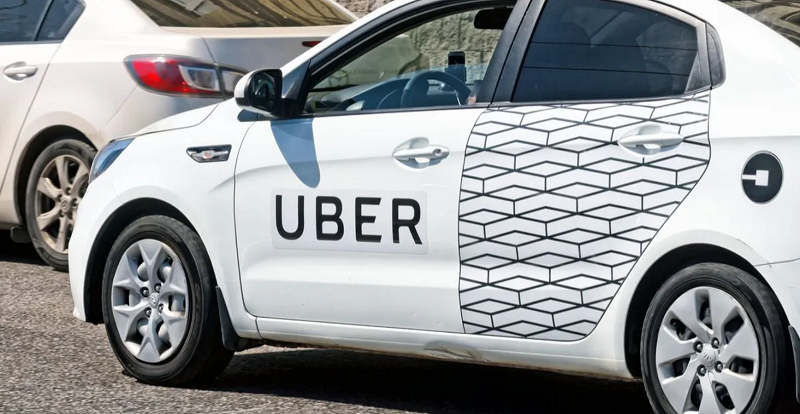
Autonomous trucks were once expected to precede robo-taxis in mass adoption due to the simpler nature of driving on highways compared to city streets. However, autonomous truck operators have faced technological and regulatory hurdles that have delayed their public debut. Some companies, such as Embark Trucks, TuSimple and Locomation, have shut down operations, while others have scaled back their plans as timelines stretch and funding dwindles.
