

A metal detectorist in central Norway recently discovered a Viking Age metal pin. But when he led archaeologists to the site, they found much more: A Viking woman buried with evidence of an unusual ritual they had never seen before.
See also: New blood type discovered that only one person has
" The grave contains what we believe to be a woman, buried in a typical Viking Age costume and jewelry dating to the 9th century ," Raymond Sauvage, chief engineer at the University Museum of the Norwegian University of Science and Technology and head of the project, said in a statement .
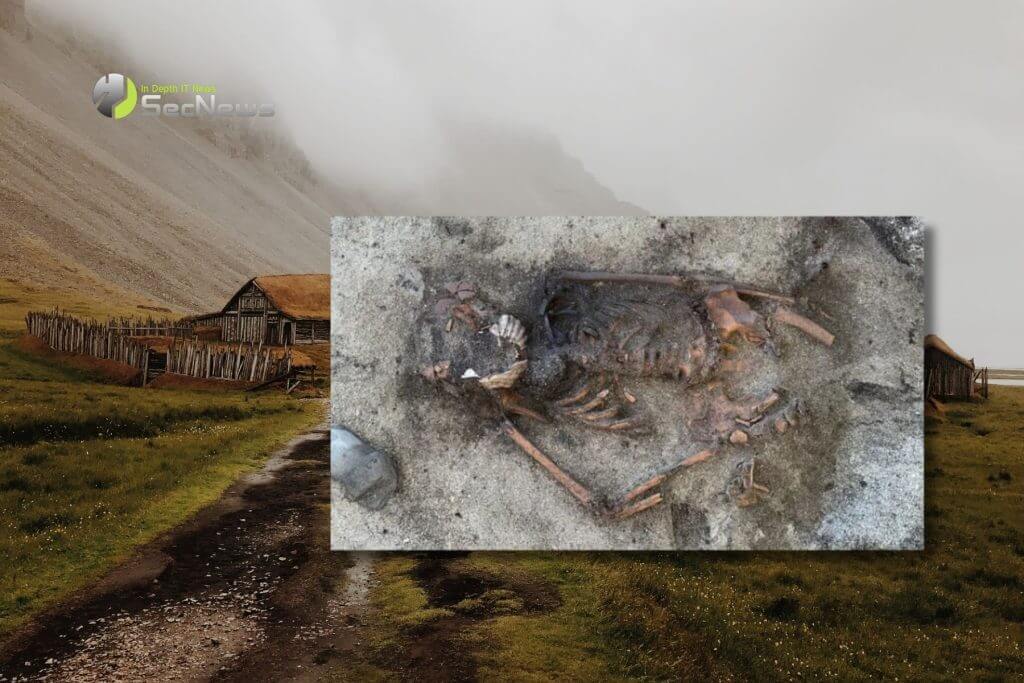
«The most striking feature is two shells placed in the mouth of the deceased, a practice unknown to date in pre-Christian graves in Norway.».
See also: UK: First baby born to woman with uterus transplant
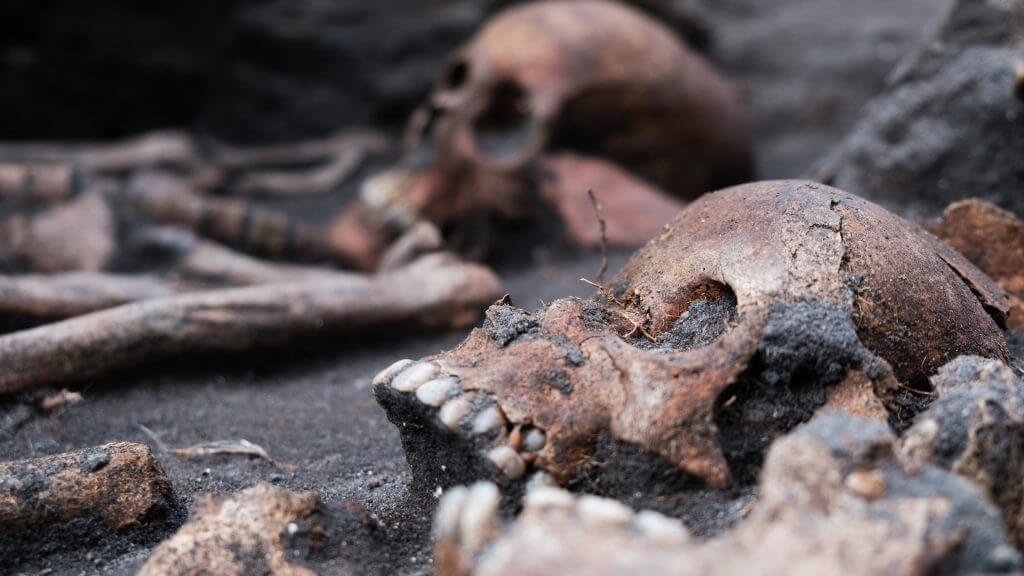
The burial was discovered earlier this year when metal detectorist Roy Søreng was exploring a coastal field on the private property of Arve Instrandin Trøndelag. Søreng found a metal, oval pin, typical of Viking Age jewelry. Instrand and Søreng alerted archaeologists, who excavated the grave and found a grave filled with artifacts, including bird bones and a human skeleton with shells in its mouth.
According to archaeologists, the Viking Age woman appears to have been buried wearing an outer dress, fastened at the shoulders with two oval buckles. A small ring-shaped buckle closed the opening at the neck of the inner dress, which resembled a jumpsuit. Her jewelry and clothing suggest that “she was a free and probably married woman, perhaps the mistress of the farm,” Sauvage said. Although buckles are typical accessories of Viking clothing, the shells and bird bones surprised archaeologists.
See also: 17th century man buried with large stones on his chest
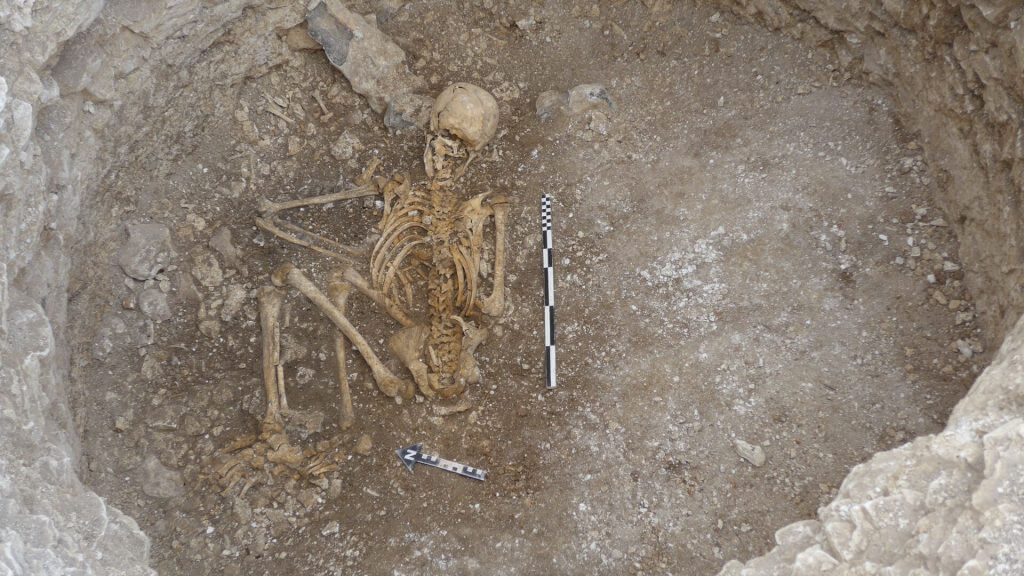
Two large shells were placed in the woman's mouth, with the curved side facing out and the straight side facing up, partially covering her jaw. It's unclear whether the shells were part of an object, Sauvage told Live Science in an email, as "we haven't seen any signs of holes yet." Further analysis may reveal more. The symbolic significance of the shells and bird bones in the burial remains unknown.
