

WhatsApp appears to be counting down the days of its presence in Russia , according to official statements from Russian officials. The popular messaging app from Meta Platforms may soon be added to the list of banned software in the country, amid strict legislation on digital control and “sovereignty.”
Political decision with technological implications
Anton Gorelkin, deputy head of Parliament's Information Technology Committee, warned that WhatsApp should prepare to exit Russia, as Meta is now considered an extremist organization by authorities.
The statement comes shortly after President Vladimir Putin signed a lawallowing the official adoption of a state-owned messaging app, called MAX, which will be integrated directly into government services.
See also: WhatsApp: Brings AI-powered conversation summaries
The battle for shares and the rise of “MAX”
WhatsApp is used daily by 68% of Russian users, making it one of the most widely used means of communication. Its possible removal paves the way for the state-owned MAX platform.
At the same time, another MP, Anton Nemkin, said: “The presence of such a service (WhatsApp) in digital space is, in fact, a legal violation of national security.”
Sanctions, censorship and “digital sovereignty”
Facebook and Instagram have already been banned in Russia since 2022, when the invasion of Ukraine began.
Meanwhile, Russian lawmakers this week approved sweeping legislative amendments, proposing fines of up to 5,000 rubles for anyone searching the internet for material the government considers extremist.
State rhetoric about "digital sovereignty" has been a consistent narrative in recent years, with the government promoting domestic technological solutions as a counterweight to the platforms of "unfriendly countries," as the US and the EU are now characterized.
See also: US House of Representatives: Ban on the use of WhatsApp
The timeline and consequences
Putin has set a September 1 deadline for implementing new restrictions on foreign technology platforms, especially those related to communication and multimedia. WhatsApp is likely to be among those communication services that will be restricted.
Shares of VK, the Russian state-owned technology company, rose 1.9% after the announcements. VK develops VK Video – the Russian “competitor” to YouTube – which is already benefiting from the slowdowns imposed on the popular video platform. YouTube has seen its number of daily users fall from 40 million to less than 10 million in the space of a year. This decline has been observed since slower download speeds were imposed, which have made access difficult for users.
Similar restrictions could be placed on WhatsApp.
The shadow of surveillance and user concern
Critics of the government have raised serious concerns about the transparency and privacy of new government apps like MAX, fearing that authorities could monitor or record citizens' communications — a serious blow to privacy.
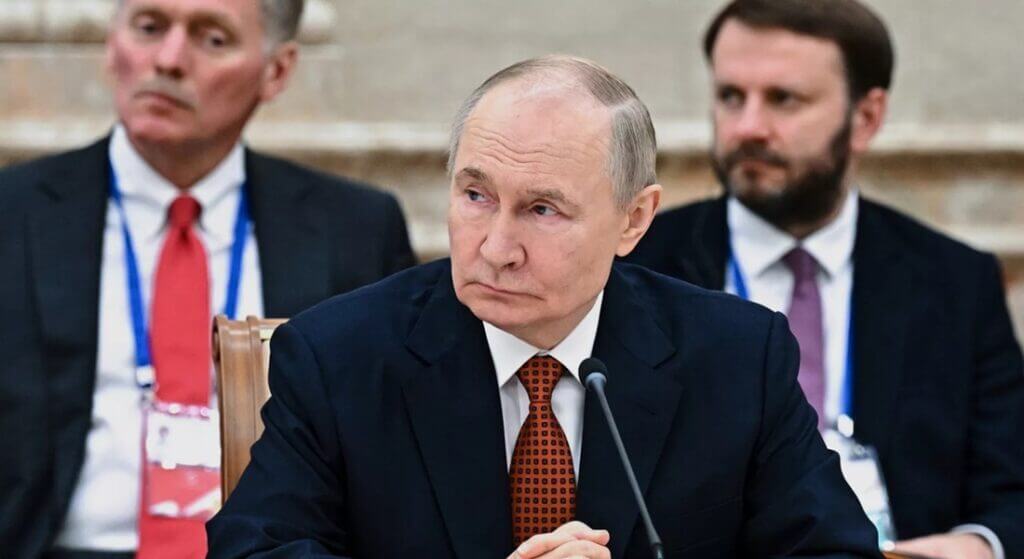
Even pro-government figures , such as Margarita Simonyan , have criticized the new laws, saying they limit the ability of journalists to investigate the opposition and groups such as the late Alexei Navalny's Anti-Corruption Foundation
See also: WhatsApp: Adding ads to the Status screen
Analysis: Russia is building its “digital wall”
The WhatsApp affair is another chapter in Russia’s plan for technological autonomy and digital isolation. Despite the practical difficulties, the Kremlin is insisting on a strategy that makes the internet more controlled and nationally “filtered.
If WhatsApp is ultimately blocked, it will be a significant blow to free dialogue and communication within the country, but also a model for a new kind of censorship, based not on banning content, but on replacing entire platforms with “safe” state alternatives.
What does this mean for Meta and the technology roadmap?
Meta, although it has yet to officially respond, sees another critical node closing. With Facebook, Instagram , and possibly WhatsApp outside of Russia, global reach its is limited, particularly in markets where there was significant daily usage.
The global tech business community is closely monitoring the development, as the “digital divide” that began with China appears to be expanding to other major markets.
Source: Reuters
