

In the wake of the deadly knife attack at a school in eastern France, President Emmanuel Macron said he intends to push for European legislation banning the use of social media by minors under the age of 15.
In an interview with the French state channel France 2, Macron stressed that he expects to see results "in the coming months" and warned that, if there is no progress at the European level, France will proceed autonomously with a relevant ban: "We cannot wait," he said.
See also: How social media shapes our perception of reality
The statement comes just hours after the attack at a high school in Nogent, Haute-Marne, in which a 14-year-old student fatally wounded a member of school staffduring a weapons check. The teenager was arrested at the scene. A police officer who was helping to check bags was also slightly injured during the arrest of the perpetrator, who used the same knife in both attacks.
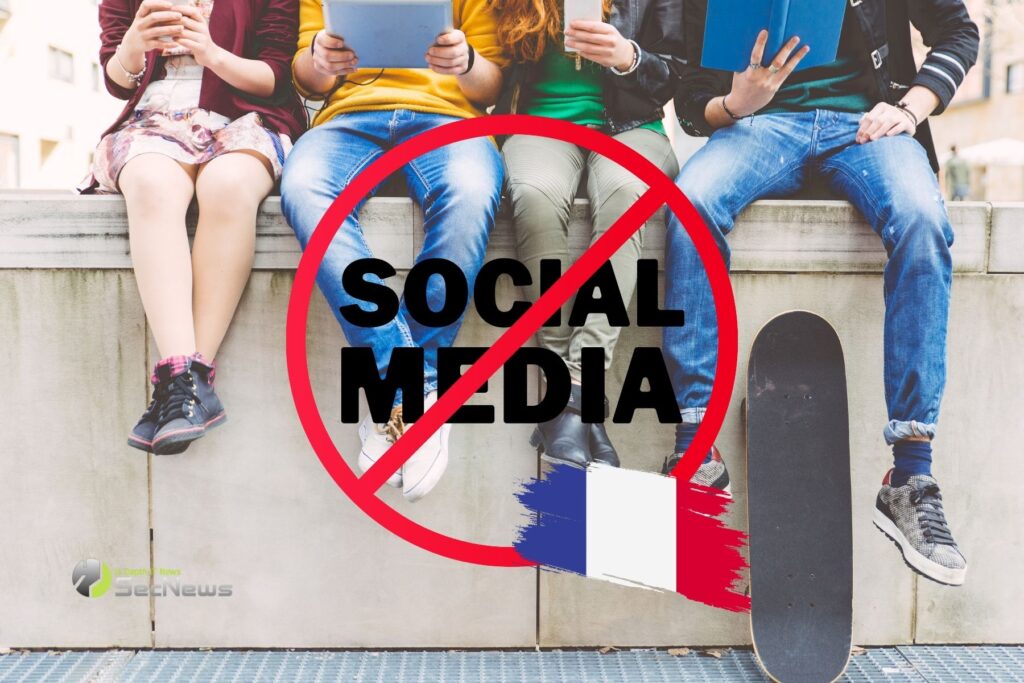
French Prime Minister Francois Bayrou stressed that such phenomena are not isolated, while President Macron argued that social media plays a role in the growing violence among young people.
See also: The impact of social media on mental health
Although fatal incidents in French schools are rare, there is particular concern about violence at universities. In response, the Education Ministry introduced bag checks earlier this year. Over the course of two months, officials seized 186 knives and arrested 32 people, according to the Interior Ministry.
Returning to the school incident, in a post on the X platform (formerly Twitter), Emmanuel Macron claimed that the proposal to ban social media has the support of experts and called on social media platforms to implement real age verification: “Platforms have the ability to verify age. Do it.”

Macron's move is part of a wider wave of international initiatives to restrict minors' access to social media. Australia last year banned social media for those under 16, adopting one of the strictest regulations in the world. However, according to a report by the Australian online safety regulator, many children still easily bypass existing age restrictions.
See also: How does social media affect personal relationships?
Such legislation brings to the fore the dilemma between digital freedom and the protection of minors. While the need for regulation is obvious, implementing such measures at the European level will require technical solutions that are both effective and ethically acceptable. Age verification by platforms – a technically and legally difficult issue – could be the key. The question is: is the Big Tech ecosystem ready to work together in a meaningful way to protect children , or will it be limited to cosmetic measures?
Source: Reuters
