

Melanoma is the most dangerous form of skin cancer, affecting a large percentage of people worldwide. Now, scientists in the US are giving a breath of hope in treating the disease, announcing another important step in medical science.
It is a melanoma vaccine that protects against even the advanced form of the disease for about 4 years after vaccination. The vaccine, called “NeoVax,” targets specific proteins on a patient’s cancer cells and prompts the immune system to prevent the cancer cells from multiplying and the disease from recurring.
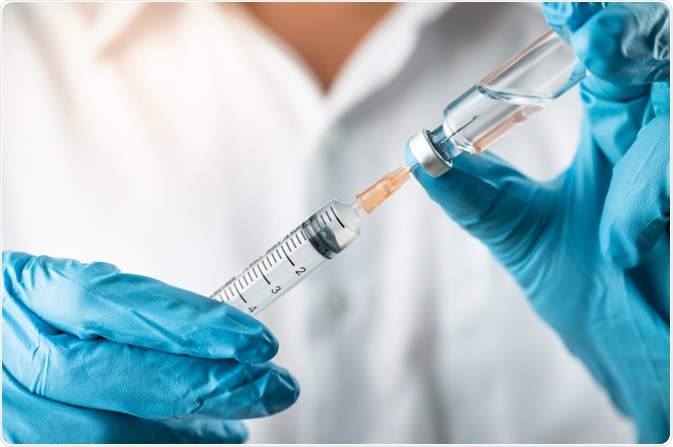
The researchers, led by oncologist Katherine Wu of the Dana-Farber Cancer Institute in Boston and Harvard Medical School, who published the study in the journal Nature Medicine, tested the vaccine on eight patients who had undergone surgery to remove advanced melanoma and were considered at high risk for their cancer to return. The eight patients received the vaccine about four months after surgery.
Neovax – which is already being evaluated in clinical trials for other forms of cancer besides melanoma, such as kidney cancer – contains a genetic DNA sequence from the cancer patient's tumor, which is then used to trigger an immune response against any melanoma cell, "training" T-lymphocytes to recognize the cancer and destroy it, without affecting healthy cells.
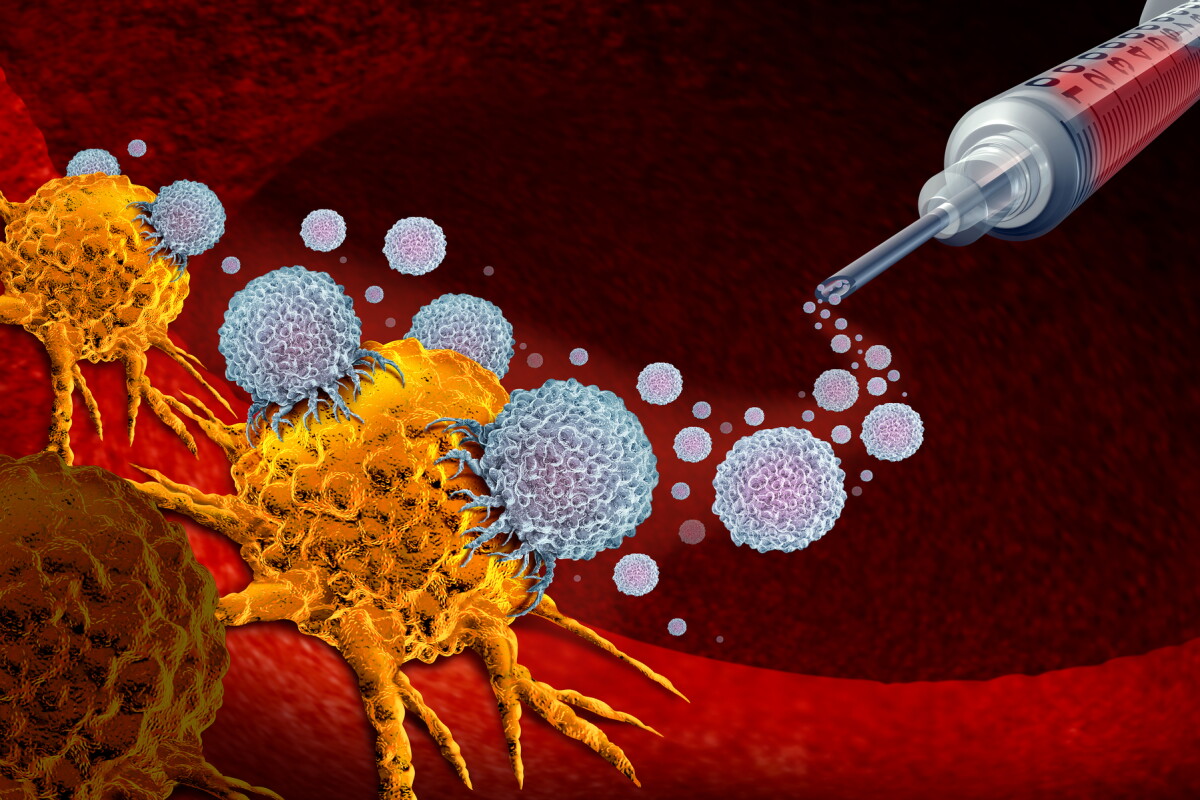
Dr. Wu said scientists have found that the initial targeted immune response expands over time to provide patients with ongoing protection from the disease. She also explained that, unlike vaccines for flu or COVID-19, Neovax does not prevent melanoma from developing, but it does prevent the cancer from coming back in those who have had melanoma surgically removed.
The cancer vaccine is a type of immunotherapy personalized for each patient, since it is based on the genetic material of their own cancer.

Four years after the vaccination, all eight vaccinated patients are still alive, with six of them showing no signs of active cancer. They experienced only mild side effects, such as fatigue and flu-like symptoms.
It is worth noting that due to the small number of patients in whom the vaccine was tested, larger trials should follow, which will include a control group for comparison purposes and which will allow its effectiveness to be accurately determined.

However, taking into account the early indications, scientists are optimistic that the vaccine will help treat cancer, either on its own or in combination with other anti-cancer immunotherapies.
Personalized vaccines are one of the most promising avenues for combating the cancers that claim an estimated 10 million lives each year worldwide. There is likely no single “cure” for all cancers, as each cancer is a unique “cocktail” of genetic or environmental factors, presenting different molecules that some treatments may be effective against and some may not. The best chance of fighting them is likely to be personalized therapies or vaccines, which are specifically designed for each patient or specific type of cancer.
