

Breakthroughs in battery technology always seem to be a few years away, but there have been some modest but notable advances. One of them, silicon-carbon batteries, is already in some Android smartphones, and battery test results clearly show the benefits. However, experts say it will be a while before Apple adopts the new battery chemistry in future iPhones.
See also: New water battery could last until the 24th century
There's a constant arms race between battery capacity and smartphone features. Batteries have become more efficient over the years, but at the same time, these improvements have been absorbed by the increased power demands of bigger and brighter screens, more powerful processors, and so on.
While most improvements in battery technology have been incremental, some of the latest Android phones have switched to a new battery chemistry that shows a shift in capacity. CNET notes that Chinese brands like Honor, Huawei, and Oppo are switching from lithium-ion batteries to silicon-carbon ones, which offer significantly higher energy density and faster charging.
See also: Energizer's new batteries don't cause burns if you swallow them
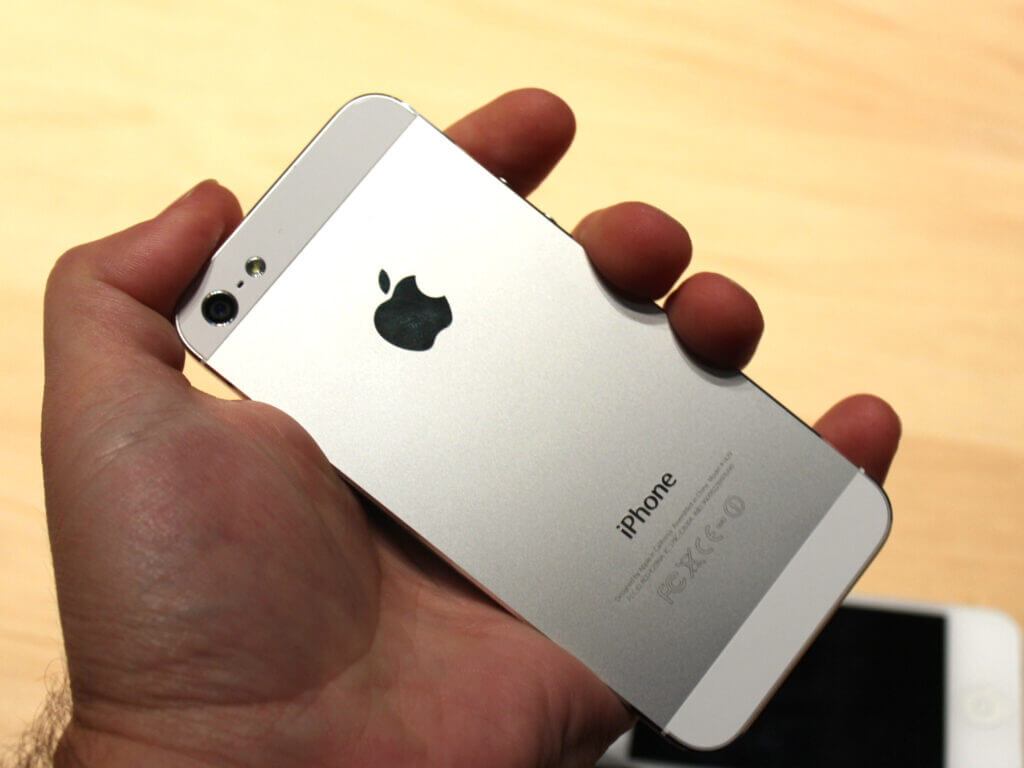
Silicon-carbon batteries aren't a completely new type of battery, but a next-generation version of lithium-ion technology. Instead of using graphite in the battery's anode, manufacturers are incorporating a silicon-carbon composite. Since silicon can hold more lithium than graphite, this design allows for higher energy density. In CNET's lab tests, nearly half of the phones with the best battery life use silicon-carbon technology.
This technology has yet to be adopted by Apple, Samsung, or Google, and experts say that's because it's too new to have the proven reliability that big brands demand.
Developments must be validated on millions of units to avoid unforeseen failures, safety concerns and performance problems on a large scale, says Paul Braun, director of the Materials Research Laboratory at the University of Illinois at Urbana-Champaign.
See also: CATL: Sodium batteries are ready for the market
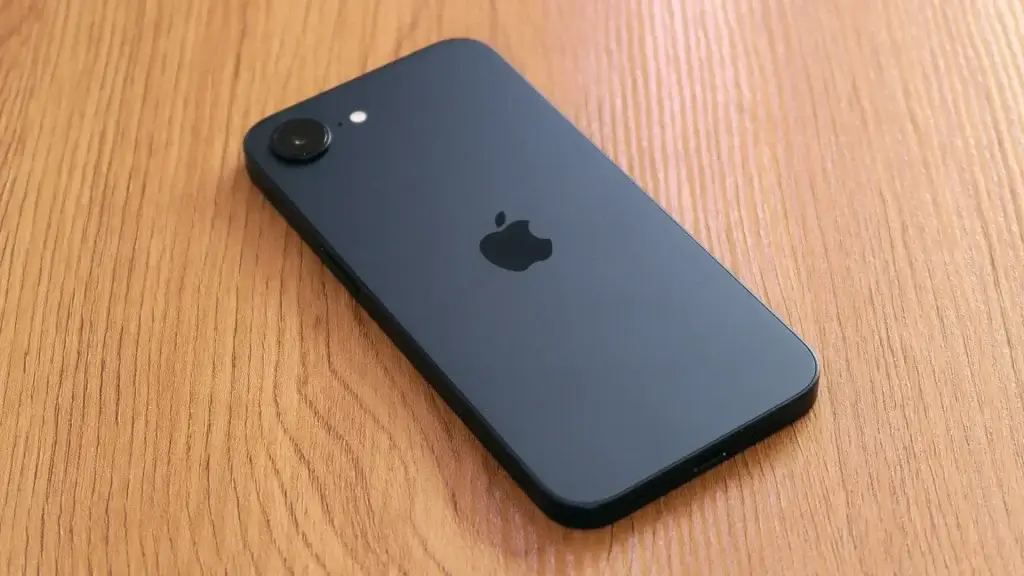
Reliability and longevity are more important in premium smartphones that people keep for longer periods, which is why it may be a year or three before we see silicon-carbon batteries powering iPhones.
