

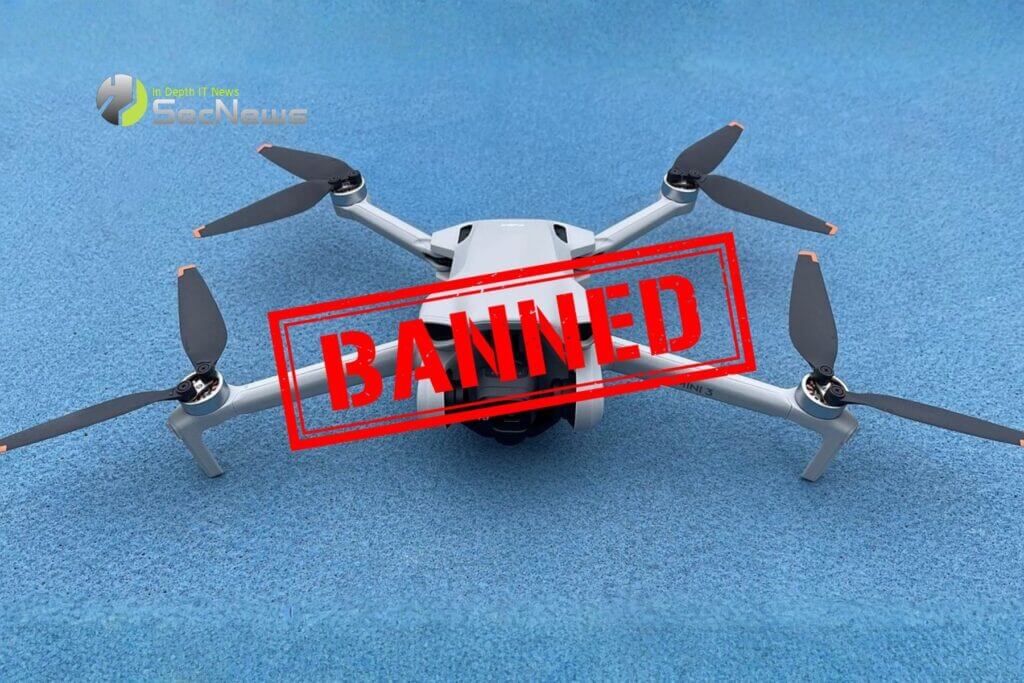
The United States banned DJI 's new drones in December 2025, removing the company from 80% of the American market, but they face a supply chain crisis to replace them: China controls 90% of rare earth processing, 99% of drone battery cell production, and 90% of the permanent magnets that power drone motors.
See also: Drones could achieve "unlimited flight"
Skydio 's $3.5 billion domestic manufacturing expansion is the biggest response so far, but the supply chain needed to rival DJI's scale will take years to build.
Skydio, the largest American drone manufacturer, announced in late April that it would invest $3.5 billion over five years to expand drone production in the U.S., open a factory five times larger than its current facility, create more than 2,000 direct jobs and 3,000 supplier jobs, and build a domestic parts supply chain through an initiative it calls SkyForge.
The announcement comes five months after the Federal Communications Commission effectively banned the import and sale of new DJI drone models in the United States, removing the company from control of about 80 percent of the U.S. consumer and commercial drone market. Skydio’s investment is the most significant answer yet to the central question raised by the ban: The United States has decided it doesn’t want Chinese drones. But it hasn’t yet managed to build enough of its own.
See also: Wing: Expanding drone deliveries to 150 additional Walmart stores

The National Defense Authorization Act of 2025 required a U.S. national security agency to complete a formal review of DJI by December 23, 2025. No agency completed a review by the deadline. The automatic consequence, mandated by law, was DJI’s addition to the FCC’s Covered List, which prevents new products from obtaining the necessary radio frequency approval for import and sale. Existing DJI products already in the country remain legal to fly.
No freeze or remote shutdown order has been issued. However, the production line for new DJI models, accessories, and components is now closed unless a specific national security exemption is granted. DJI says 25 new products planned for the U.S. market in 2026 have been frozen, representing approximately $1.5 billion in lost revenue. The company filed a lawsuit against the FCC in February 2026. The litigation is ongoing.
The U.S.-China semiconductor decoupling has already cost equipment manufacturers hundreds of millions in lost revenue from China, and the drone ban follows the same logic: restrict access to Chinese technology on national security and accept the economic consequences. The difference is that in semiconductors, the United States has ASML, Applied Materials , and a generation of manufacturing know-how that China is still trying to replicate. In drones, the dependency works in the opposite direction. China makes the components. America buys them.
See also: FCC: Bans the import of "foreign" drones into the US
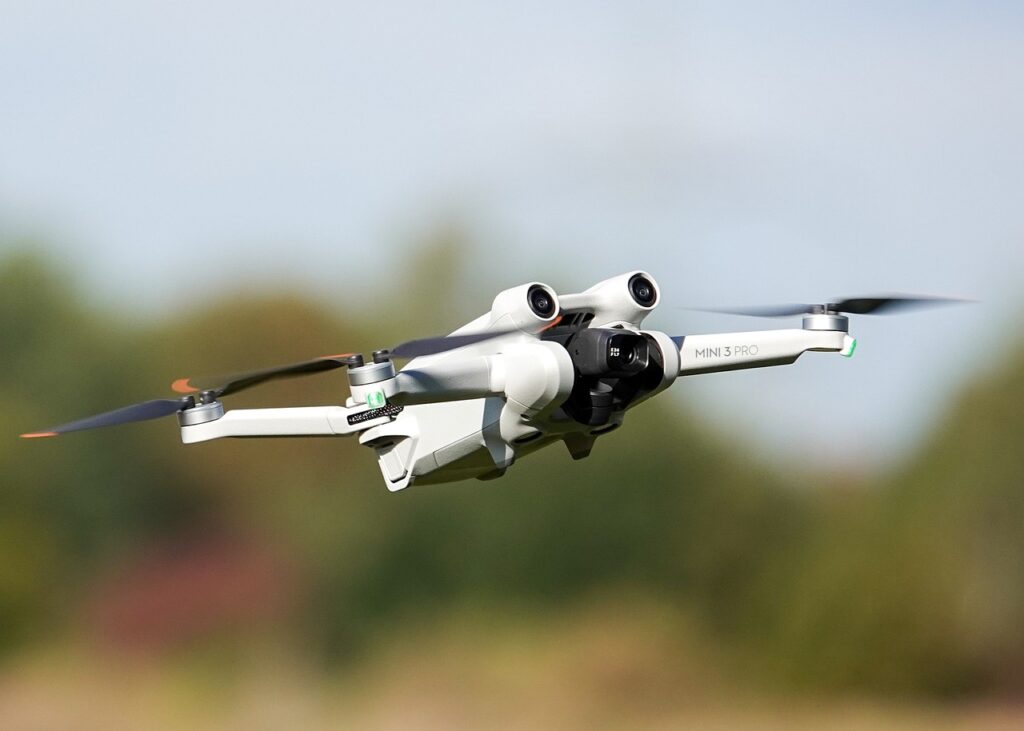
DJI has invested heavily in research and development for over a decade, while facing almost zero competitive pressure from American manufacturers. The company's dominance has been based on consumer-level innovation, cameras, gyroscopes, flight controllers, and obstacle avoidance, which have then been adapted for commercial, industrial, and public safety applications. In contrast, American drone companies have focused primarily on military applications.
