

Side-channel attacks in smart homes are one of the most insidious and underrated threats in modern cybersecurity. Unlike traditional attacks, where the goal is to directly compromise a system via software or network, side-channel attacks exploit “side-channel” information that is inadvertently leaked from devices. In a smart home environment, this information can include energy consumption, network traffic patterns, or even small sounds that devices make when they are operating.
See also: Ikea: Smart home failures point to a major problem with Matter
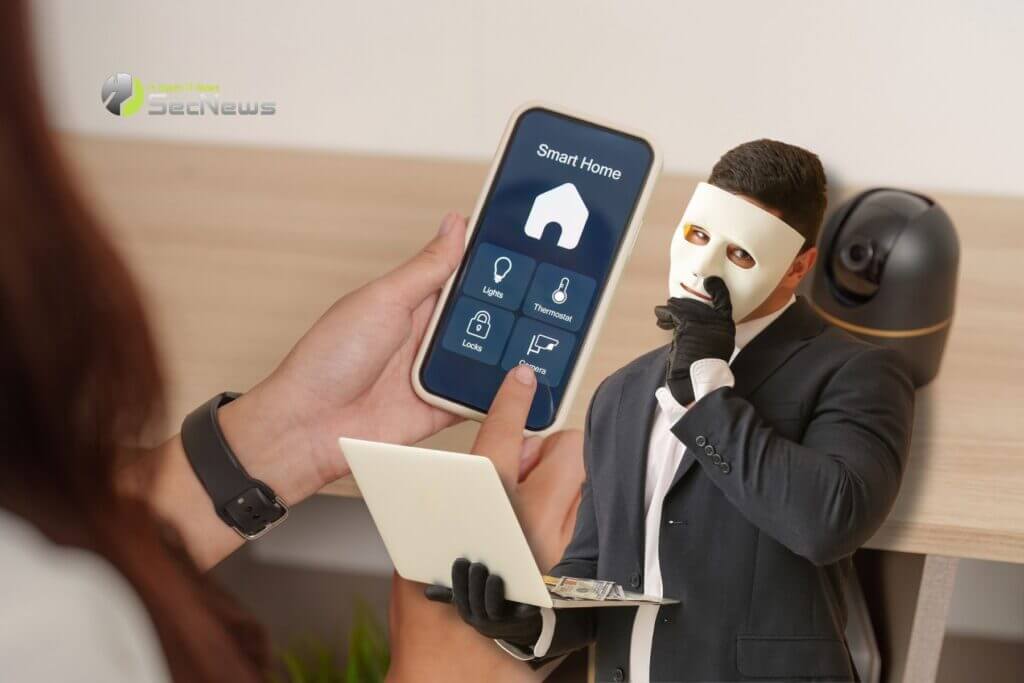
The basic idea behind these attacks is that every digital activity leaves a footprint. For example, a smart TV streaming content creates specific patterns in bandwidth. An attacker who has access to this data, even without being able to see the content, can infer what the user is watching, based on characteristics such as data rate or packet duration. Similarly, a device’s power consumption can reveal when it is turned on or off, providing insights into the daily habits of the occupants.
What makes side-channel attacks particularly dangerous is that they don't necessarily require compromising the device itself. An attacker can collect data from a router, a service provider, or even external measurements, such as electromagnetic radiation or sound. In some cases, researchers have been able to identify which devices are operating inside a home simply by analyzing Wi-Fi communication patterns, even when the traffic is encrypted.
See also: Zigbee's next major upgrade brings improved security
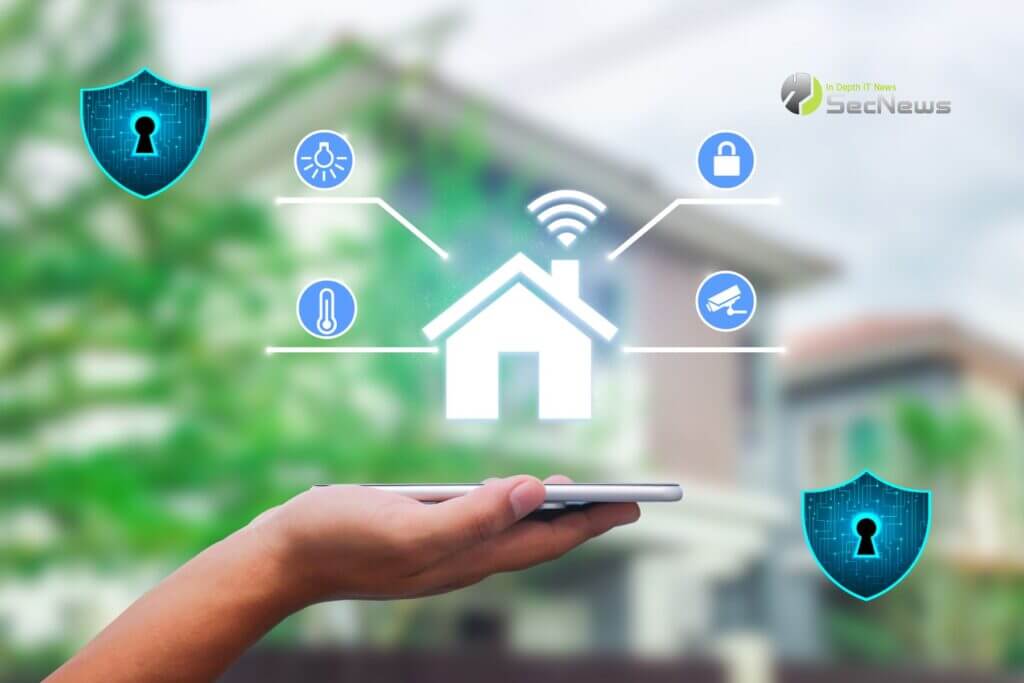
The proliferation of IoT devices is exacerbating the problem. As more and more devices connect to the internet, a rich ecosystem of data is created that can be analyzed to draw conclusions. A smart speaker, a security camera, a smart thermostat, and a light bulb can collectively reveal much more than any one could individually. The result is a kind of “digital shadow” of the user’s daily life.
Countering these threats is not simple, as side-channel attacks exploit fundamental features of device operation. However, there are some strategies that can reduce the risk. Using techniques such as randomly introducing delays in data transmission, smoothing power consumption, and hiding patterns in communication can make it difficult for attackers to analyze. At the same time, raising user awareness and adopting more secure design practices by manufacturers are critical.
See also: Older Google Home devices are having issues

Overall, side-channel attacks in smart homes highlight a significant gap in the traditional understanding of security. It is no longer enough to protect the data itself; indirect leaks that arise from the use of devices must also be taken into account. In a world where the home is becoming increasingly “smart”, understanding and addressing these threats is a prerequisite for protecting user privacy and security.
🔒 Protect your privacy with Proton VPN
Swiss VPN from the creators of Proton Mail — strict no-logs policy, strong encryption, and built-in NetShield that blocks ads, trackers, & malware.
- ✔ No-logs, based in Switzerland (except 14-Eyes)
- ✔ NetShield: blocks ads, trackers & malicious domains
- ✔ Covers all devices — free version available
The link is an affiliate link — SecNews may receive a commission at no additional cost to you. It does not affect the independence of our article writing.
