

Steven Sinofsky, former President of Microsoft's Windows Division, has published a review of the MacBook Neo, where he examines what went wrong with Microsoft's early foray into lightweight ARM-based computers.
See also: The second-generation MacBook Neo will not have a touchscreen
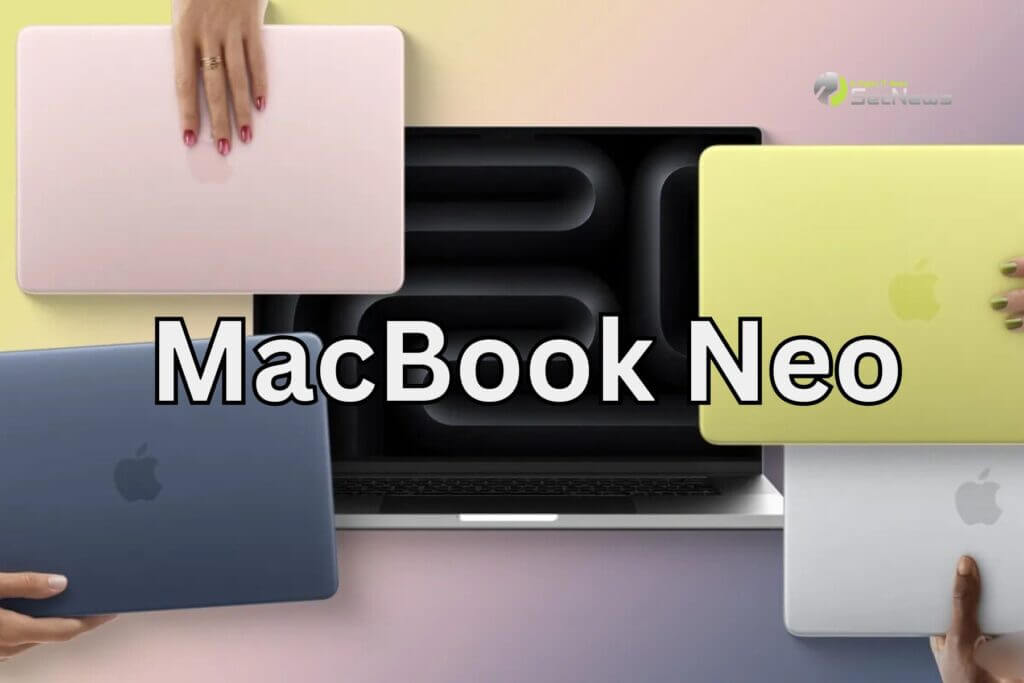
Sinofsky worked at Microsoft from 1989 to 2012, leading many teams and departments related to Office and Windows. After leaving, he started a blog called 'Learning by Shipping', where he shares insights on management, strategy, competition and other aspects of the tech industry.
In his post titled 'Mac Neo and My Afternoon of Thought and Melancholy', Sinofsky echoes the praise the MacBook Neo has received from other reviews. He reflects on the success of Apple's new budget laptop from the perspective of someone who tried a similar strategy in the past, with different results:
‘When I thought about Windows 8 over the past dozen years, I often concluded that we were early AND wrong or too fast. But today I use the Neo and I think about Windows 8 and the Surface and I struggle with that conclusion. We had all the pieces and all the pieces worked back then. People were able to run the device.
See also: MacBook Neo available for pickup at physical Apple Stores
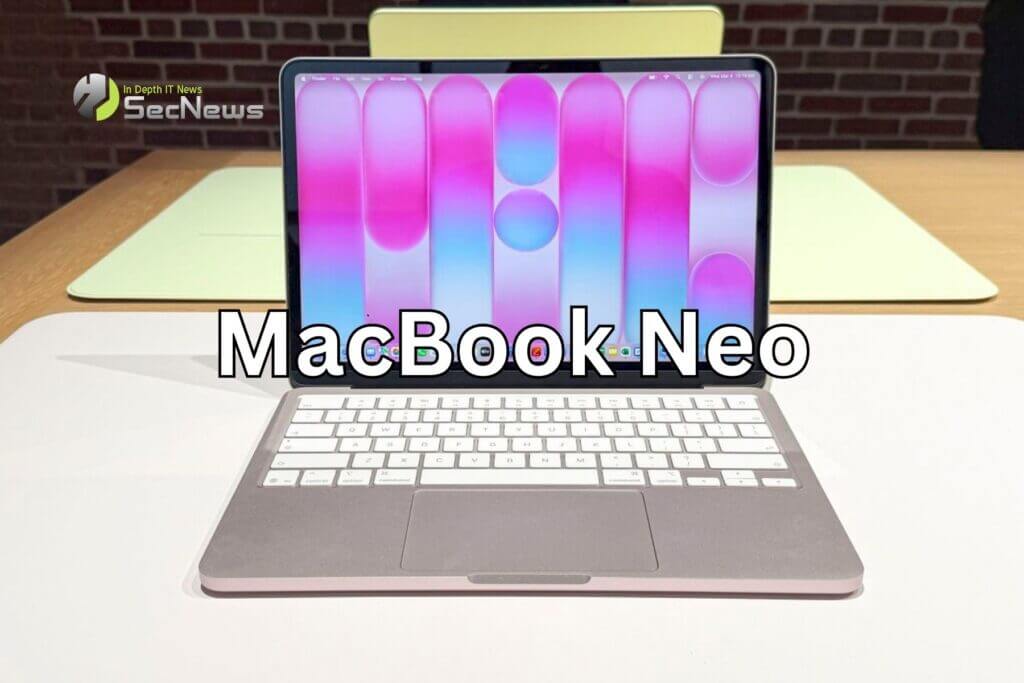
And it was $599 with keyboard/32GB, $699 for 64GB. Where we went wrong was in moving the ecosystem to a new application model quickly enough that was more secure, more reliable, more energy efficient. A lot of people reacted to that. From the day we announced ARM, we sought to separate the Windows x86 world and be new. I knew that every little step into the Microsoft world was a lifetime commitment.
You can see it in how ARM is treated today, as a perpetual alternative to x86. We saw it then and I still see it that way as the replacement. There's no revisionist history here. It was our strategy.‘
Sinofsky contrasts this with Apple's long-term effort to move developers toward new APIs and frameworks, which he argues has made the transition to ARM-based Macs easier than Microsoft's effort, limited by its commitment to backward compatibility.
The full post is packed with Sinofsky's insights and candid reflections on past projects. Regarding the MacBook Neo, he discusses the compromises Apple made to deliver this $599 laptop and its target audience:
‘The Neo doesn't need to get better. It just needs to stay great. If you need or simply want something better, there are two more tiers of laptops and two more tiers of desktops. Plus iPads.
See also: macOS 26.3.2 brings quality-of-life improvements for MacBook Neo
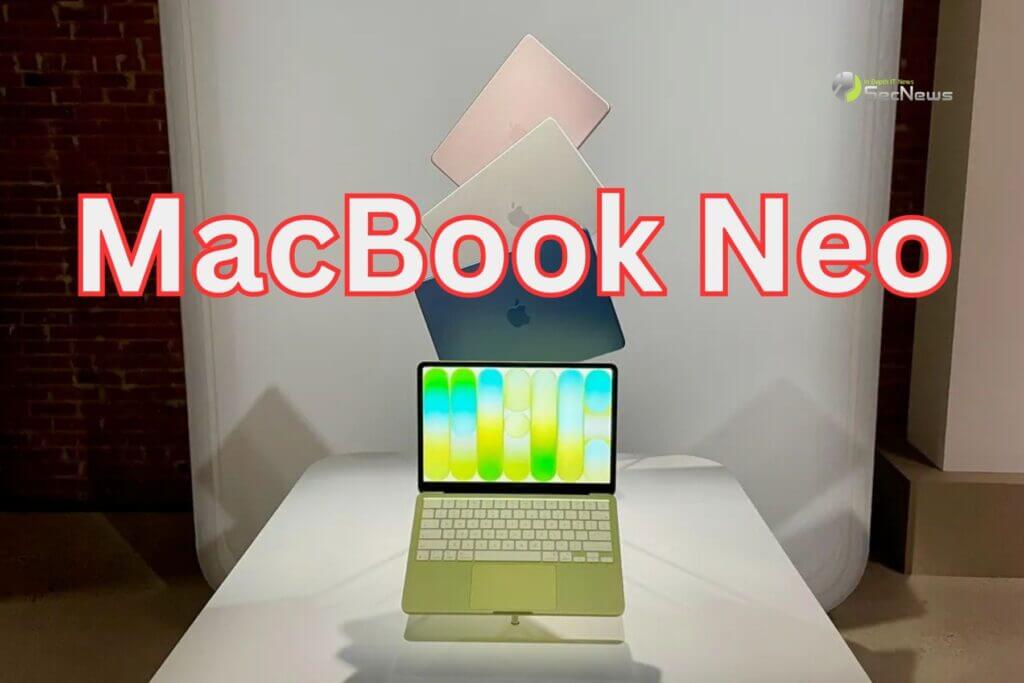
The Neo in 5 years will be more powerful than most of these and will probably still cost $699. Moore's Law is invincible.‘
