

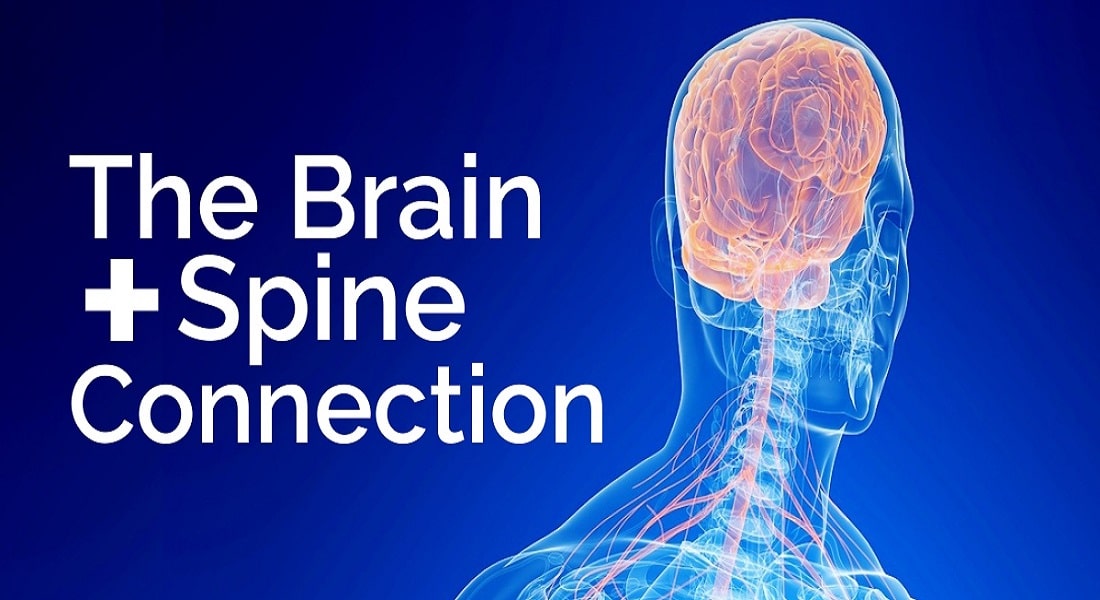
New research has revealed how a paralyzed man was able to walk again naturally, thanks to a medical device. The man had been unable to walk for over ten years due to an injury. Dr. Grégoire Courtine and his team from the Swiss Federal Institute of Technology in Lausanne developed a “brain-spinal interface.” This implant creates a direct neurological connection between the brain and spinal cord and helped the paralyzed man walk.
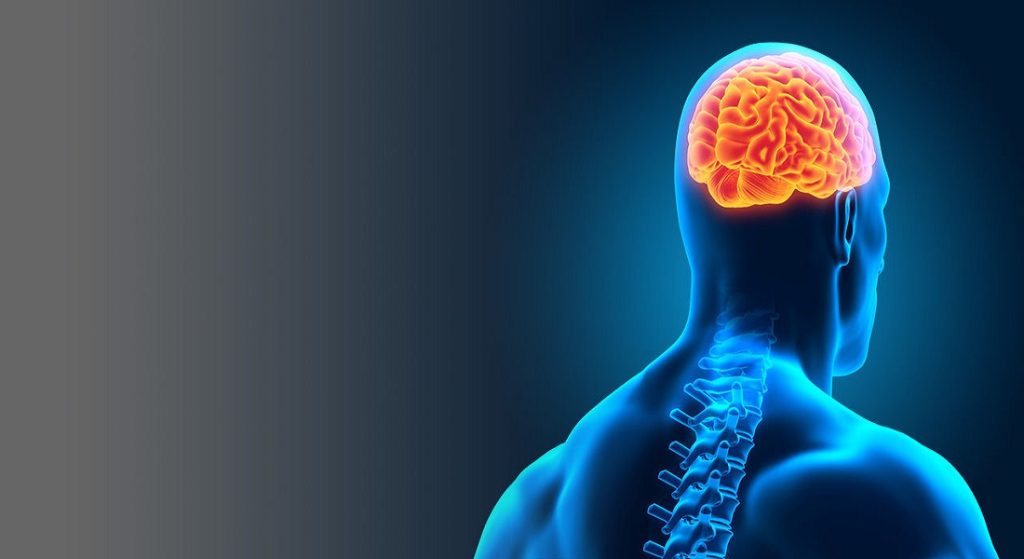
The implants in the brain track movement intentions and wirelessly transmit them to a processing unit worn externally, like a backpack. The intentions are translated into commands that the processing unit sends back via a second implant to stimulate the muscles.
According to the research, tests have been conducted on a person from the Netherlands and the results are encouraging.
See also: Brain implant allows paralyzed man to communicate
Gert -Jan Oskam, 40, was left paralyzed after a motorcycle in China. His legs were damaged, while his arms and torso were also affected.
Oskam had been paralyzed for ten years and, as he said, he really wanted to walk again.
“I tried a lot of things before, and now I have to learn how to walk normally again (of course) because that's how the system works“.
Oskam said that thanks to the new implant, he can walk at least 100 meters, depending on the day. In fact, he said that he can stand without using his hands for a few minutes. Thanks to the medical device, Oskam can do things that he couldn't do before. For example, he wanted to paint something but he didn't have anyone to help. So he stood and did it by himself.
Previous research has shown that applying targeted electrical pulses can stimulate areas of the foot needed for walking. But the new technology allows for smoother movements and better adaptation to changing terrain because it reconnects two areas of the central nervous system that were disrupted by spinal cord injury.
In the past, Oskam had had devices , but he needed to make some movement to activate them.
See also: Spinal implant gives hope to paralyzed people
“Now, I can just do whatever I want and when I decide to take a step, the excitement will begin,” he said.
Courtine said this stimulation is different because Oskam has full control, so he can stop, walk and climb stairs.
After the surgeries to implant the devices, the neurological communication pathways were quickly established. Oskam was taking steps within a day of training. The connection was maintained reliably for over a year, including the time Oskam was at home.
Using this “digital bridge” allowed him to walk again and he has since regained enough strength to take some steps, even when the feature is disabled.
Oskam was the first to participate in the trial for the implant, but researchers hope that other people could benefit from this technology in the future.
This research proves that it is possible to re-establish a neurological connection between the brain and spinal cord , and that the connection occurs quickly.
See also: Man with paralysis wrote and posted a tweet using only his thoughts
They say that extending this connection could also help people who have paralysis in their hands and people who have had a stroke.
However, scientists would like to reduce the size of the system to make it more usable.
“The idea of a digital bridge between the brain and spinal cord heralds a new era in the treatment of movement problems due to neurological disorders,” the researchers wrote.
The medical world continues to make huge strides forward. These incredible achievements offer a better quality of life for people facing problems.
Source: www.9news.com.au
