

More than 5km below the ocean’s surface, the “most technologically advanced undersea cable” is now in place, delivering up to 160 terabits (Tbps) of data per second – beating Google’s similar venture, now incorrectly called “Faster.” The cable is the work of Facebook, Microsoft and Spanish telecommunications company Telxius.
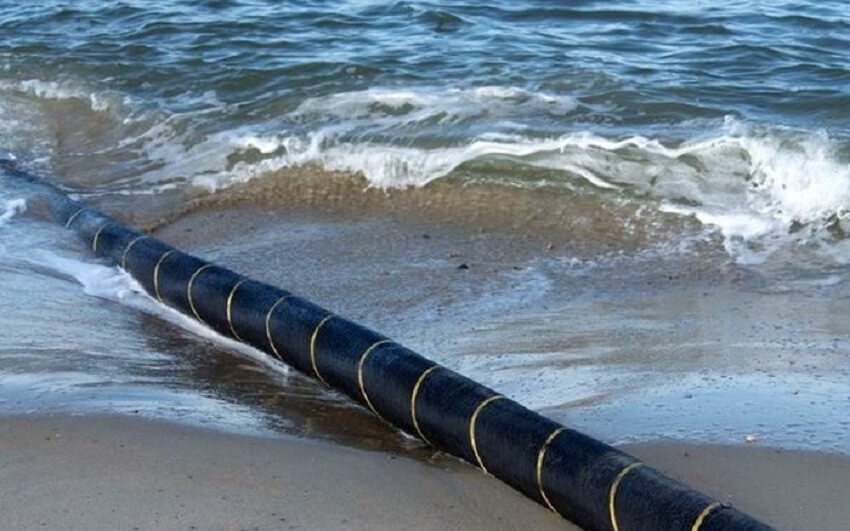
Construction of the cable, which stretches 4,000 miles from Virginia Beach, Virginia, to Bilbao, Spain, began in August 2016. Microsoft announced its completion on Thursday, but it won't be operational until early 2018.
Facebook, Microsoft and Telxius will jointly own the cable, which weighs nearly 4,650 tons – that’s about the same weight as 34 blue whales. Telxius will serve as the cable operator and sell and lease its capabilities to outside service providers. Microsoft and Facebook, on the other hand, will use the cable to serve their own needs.
Most transatlantic communications cables connect to the U.S. in either New York or New Jersey, but the connection to the Sea (Spanish for “tide”) in Virginia differentiates connectivity between the U.S. and Europe. Hurricane Sandy, which hit New York and New Jersey in 2012, resulted in North America being disconnected from Europe for several days.
“The hurricane sparked a realization that another similar event could disrupt the vital line of connectivity across the Atlantic,” Microsoft said in a post. “As part of its ongoing efforts to drive innovation and expand the capacity of its global network, Microsoft has sought to make transatlantic connections more structural.”.
Microsoft will not disclose the amount of its investment or how much its partners have paid.
