

Glyph uses VRD technology, which is essentially «inspired» by the way the human eye perceives light to project images directly onto the user's retina.
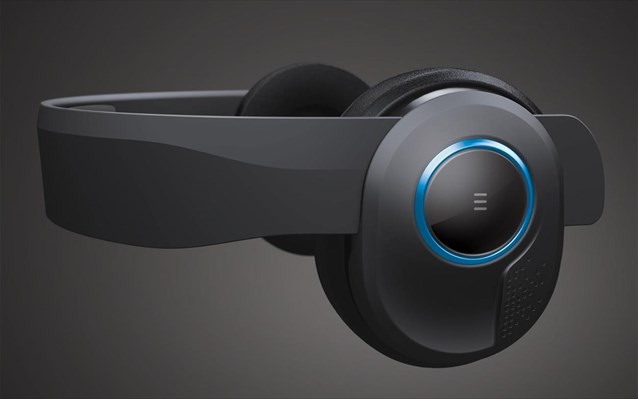 As the tech world eagerly awaits head-mounted displays like Google Glass and Oculus Rift, new players are entering the space. One of them is Avegant's Glyph, which aims to be a fully portable, personal "cinema," providing the user with a complete visual and audio experience.
 The Glyph uses VRD (Virtual Retina Display), which is essentially inspired by the way the human eye perceives light to project images directly onto the user's retina, thanks to a million micromirrors located opposite each eye. The end result is remarkably clear image quality.
«Instead of a pixel screen one meter away from you, we provide a high‑quality image directly in front of your eye» said Grant Martin, marketing and product strategy executive at Avegant to Mashable.
The Glyph connects via HDMI to other devices to «draw» the material it displays to the user. Beyond showing movies or a system's desktop, its creators claim that it is also ideal for gaming, due to the built‑in head‑movement detection technology.
«And this is only the beginning» the creators claim on the Glyph page on Kickstarter, where they also «uploaded» their device to raise funding.
«Imagine directors who will be able to shoot 360-degree movies, where you will not only be able to see the actors interacting in a café, but you will also be able to look around you in the environment as the story unfolds around you. Imagine the integration of an LTE chip into the Glyph, so that you can make calls directly from your headset» it says. Also, as noted, users have used the Glyph for hours without reporting symptoms of dizziness or nausea.».
The project has far surpassed its Kickstarter, raising $946,970 against its $250,000 goal, with 17 days left to go. Those who choose to contribute $499 or more will receive a working Beta Glyph Prototype.
