

NASA promises to save time and fuel on commercial flights, and is busy creating software and hardware specifically for this purpose.
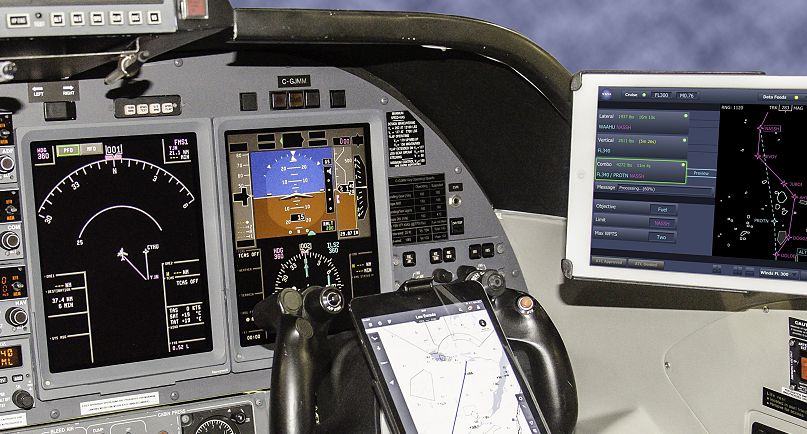
NASA has developed and is aiming to perfect a special software that helps reduce fuel consumption, carbon dioxide emissions, and even reduce travel time for commercial airlines. All an aircraft pilot needs to benefit from this advanced system is a tablet on which the software can be loaded, without changing the crew structure or creating the need for any additional personnel.
Essentially, the new software works by reading the aircraft's current position in combination with its flight path and then searching for an alternative route that can save time and money.
NASA's application is called TAP (Traffic Aware Planner) and is based on the TASAR system. The software connects to an airplane's electronic systems, and from there it gathers the data it needs to provide a safe and collision-free route. To achieve this, TAR connects to the Automatic Surveillance-Broadcasting (ADS-B) system that scans air traffic, ensuring that no collisions with other aircraft occur.
Being a fairly sophisticated technology for internet-connected aircraft, TAP can also access, in real time, weather forecasts and information on current weather conditions, in order to increase the overall efficiency of the flight.
NASA hopes this technology will revolutionize the flight system, reducing delays and environmental impact, while improving passenger comfort.
