

Europe is shaking from the revelations: Germany spied on its European partners and the Commission on behalf of the Americans
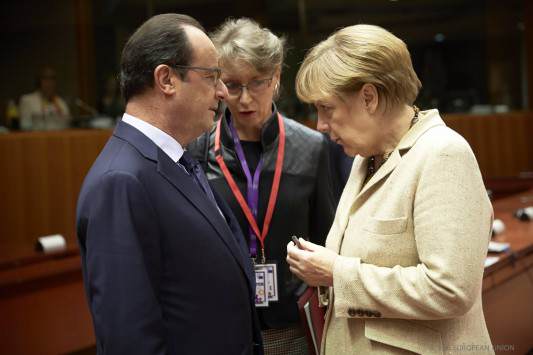
- The German newspaper Suddeutsche Zeitung reveals that the eavesdropping station was in Bavaria
- Angela Merkel, who appeared as a victim of the Americans, is now in a difficult position
- The newspaper states that Merkel's then chief of staff and current minister was aware and will provide explanations
- It is strange that Juncker and the Commission spokesman are addressing the revelations with humor, saying that "we would be disappointed if we did not attract people's attention."
German intelligence services had spied on high-ranking officials in France and the European Commission on behalf of the American National Security Agency (NSA), according to today's issue of the German newspaper Suddeutsche Zeitung.
“The BND (German intelligence services) helped the NSA carry out political espionage,” notes the major Munich newspaper, specifying that interceptions of conversations of “high-ranking officials of the French Foreign Ministry, the presidential palace and the European Commission” were carried out by the listening station in Bad Aibling, Bavaria (southern Germany).
The revelations of alleged spying on European companies since 2008 by the German intelligence service on behalf of the NSA have put Chancellor Angela Merkel's government, which has always appeared as a victim of its American allies, in a difficult position since Monday.
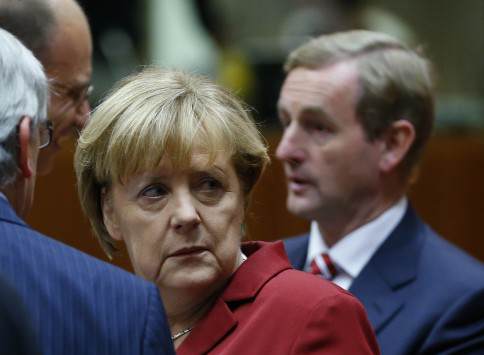
In the case of the monitoring of companies, industrial espionage was carried out "in isolated cases", the German newspaper underlines, which clarifies that the US was looking for "information on illegal exports" at the time.
On the contrary, the Suddeutsche Zeitung points out, citing a source it describes as reliable and knowledgeable about the procedures within the BND, "the heart (of the problem) is political espionage against our European neighbors and EU institutions.".
German Interior Minister Thomas de Maiziere, who was at the time the chancellery's chief of staff and therefore could not have been unaware, according to many German media outlets, of the BND's actions, has offered to give explanations next week before the German parliament's investigative committee, which is tasked with shedding light on the practices of the American agency.
Moreover, the opposition accuses the German government of falsely stating that it knew nothing about any financial espionage by the NSA, in a written response it gave on April 14 to the parliamentary group of the left-wing party "De Linke".
"I categorically reject the statement that the government did not tell the truth," said Steffen Seibert, spokesman for Chancellor Angela Merkel, at a regular press conference yesterday.
Reacting to the information from Suddeutsche Zeitung, European Commission President Jean-Claude Juncker stated today that he expects the German authorities to unravel this case.
“I don’t know what happened. This will have to be sorted out by the German authorities, including the parliamentary ones, and we’ll see,” Juncker told reporters. “It’s up to the German authorities to deal with this and I imagine they will.”.
"One day, at a meeting of the body (of Commissioners), I said that we need a secret service as agents are everywhere," Juncker noted jokingly, immediately hastening to add: "I don't know if German agents are active here, I don't have any specific comment to make.".
“I know from personal experience that it is very difficult to keep them under control. This is not just a Luxembourg phenomenon,” said the former prime minister of the Grand Duchy, who lost the 2013 elections after a scandal over the Luxembourg intelligence service, which had committed serious irregularities, spying on the population and part of the political class on a large scale, again jokingly.
European Commission spokesperson Margaritis Schinas also chose to respond with humor, stating at a press conference: "We would be disappointed (…) about our role in the world if we did not attract the attention of others.".
However, in Paris, a Foreign Ministry spokesman limited himself to stating that the ministry “is in close contact with its German partners on this issue,” while the German Chancellery declined to make any comment.
Germany was shocked in the summer of 2013 by the revelations of Edward Snowden, a former NSA consultant, according to which the American intelligence agency had operated for many years a widespread system of monitoring the telephone conversations and Internet communications of Germans, even the chancellor's phone .
RES EIA
Source: newsit.gr
