

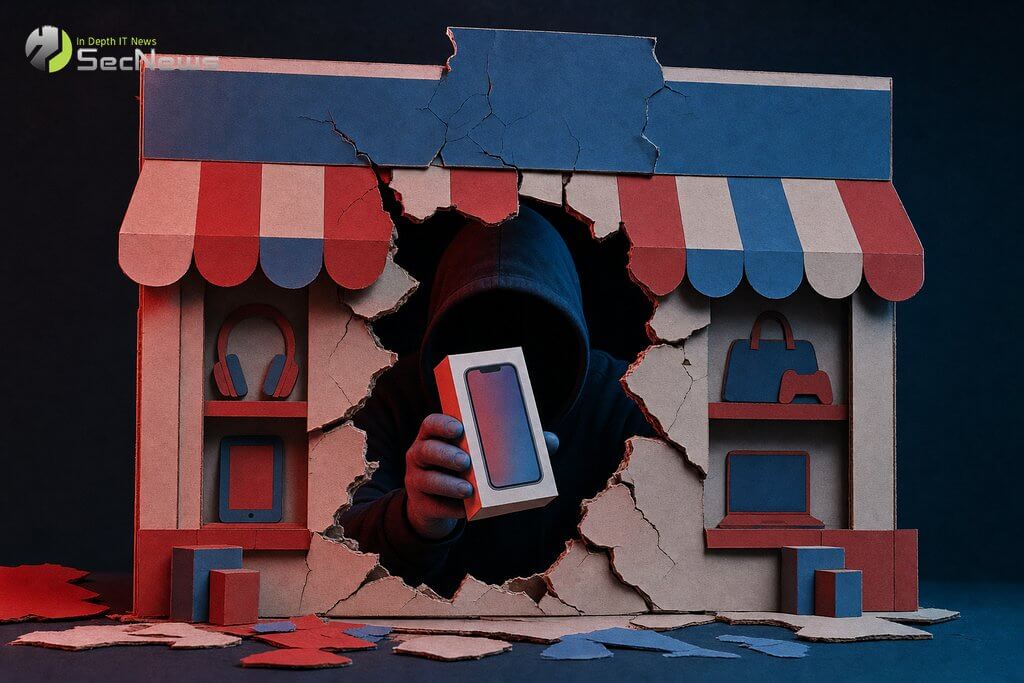
Before the iPhone 18 is even released: The September Apple event has not even taken place, but the cunning have already started iPhone 18 scams with phishing campaigns, fake pre-order messages, fake stores and gift vouchers. The SecNews technical team presents the already active fraud patterns that we detect on Greek and international networks, what Greek consumers should pay attention to, and how to check if a pre-order is real or fake.
See also: Hackers Tracked Child via Kids' Smartwatch

Why the iPhone 18 is a target before it even launches
Every new iPhone series is immediately targeted by phishing campaigns and fake e-shops, even before the official announcement. The combination of high demand, expensive product, and impatience creates perfect conditions for social engineering. 2026 is no exception — there are already messages exploiting the rumor that the iPhone 18 will be announced in September.
The ad experts have learned from each previous launch cycle. This year's campaigns are more refined, with proper Greek text, realistic domains, and a design that mimics the official Apple design.
The patterns in 18 iPhone scams we detect
- “Reservation” SMS: Messages claiming that your pre-ordered seat has been confirmed and asking for €1 validation via a link. The link leads to a fake card page
- "Early Access" Emails: Messages claiming you've been selected for early access. They ask for your Apple ID and password.
- Fake e-shop with "offer up to 40% discount": Entire stores cloned from legitimate Greek e-shops, with prices that are realistically lower but not unbelievable. Payment only by deposit or crypto
- Social media contests: "Win an iPhone 18 Pro Max on Facebook and Instagram." They ask for notifications and personal information
- Fake support lines: Fake "Apple Support Greece" accounts on X/Twitter that respond to complaints and request login credentials
- Fake trade-in platforms: Pages that promise unrealistic prices for your old iPhone. They ask for the device to be shipped without prepayment.
The Greek characteristics of fraud
Campaigns targeting Greece are not simple translations. They often have:
- Prices in euros with realistic numbers (e.g. "from €1,199")
- References to well-known Greek e-shops and mobile carriers
- Domains with Greek extensions such as .gr, .com.gr, or variations of well-known names (e.g. "apple-store-gr.net", "kotsobos-offer.eu")
- Greek customer service via WhatsApp, Viber or Telegram — not official Apple channels
- Fake security logos (“PCI Compliant”, “Verified by Visa”) without real certification
How to check every iPhone 18 offer
The SecNews technical team recommends a short list of checks before each payment:
- Check the domain letter by letter. Apple only uses
apple.com, not variations like “apple-eu-store” or “apple-gr-offer” - Search for the store in the Hellenic E-Commerce Association. Serious Greek e-shops usually have a registration and a GEMI number.
- Never pay with cryptocurrencies or bank deposits at an unknown store. Always use a card with chargeback protection.
- Check the age of the domain with tools like whois. A new domain (less than 3 months old) selling iPhones is a red flag
- Confirm the price with the official apple.com/gr page and major Greek retailers. A discount of more than 20% on a new model is practically impossible
- Do not click on SMS or email links. Type the address manually into the browser.
- Enable card updates. Enabling push notifications from your bank instantly identifies suspicious charges.
See also: iCloud Private Relay: A passkey request is enough to reveal the real IP
Especially for SMS and emails seen by Apple
Apple never asks users to verify their Apple ID via SMS or email with a link. It also doesn't send SMS with "reservations" or "early access codes" for unannounced products. If you receive such a message:
- Don't reply or click
- Check the status of your orders only through
appleid.apple.comor the Apple Store app on your device. - Report the message to Apple via
reportphishing@apple.com - In Greece, complaints can also be made to the Cybercrime Prosecution Directorate at 11188 or through the official platform.
What do I do if I have already been a victim?
- Notify the bank immediately to cancel the transaction, especially if the charge is recent (within 24 hours)
- Change your Apple ID password and enable two-step verification if you haven't already.
- Check email accounts for suspicious forwarding rules or new connections
- Complaint to the Prosecution with screenshots and transaction details
- Informing the Data Protection Authority if personal information has been leaked
Also useful: OpenAI is preparing a smart speaker with AI for $300-400
What will we see after Apple's announcement?
Based on previous launches, after the official announcement we expect:
- Sharp increase in phishing campaigns within 24-48 hours
- New fake e-shop with a complete image of a "genuine" Greek store
- Fake ads on Facebook, Instagram and TikTok
- Attacks on people doing real searches for iPhone 18 via malvertising
- Fake reviews and unboxing videos on YouTube with harmful partner links
Greek consumers waiting for the iPhone 18 have every right to be impatient, but the purchasing determination must be accompanied by composure and basic security checks. The physical store, the official apple.com/gr page, the large Greek technology chains and their own certified online presences remain safe options. The editorial team of SecNews will monitor the development of phishing campaigns around the iPhone 18, any new tactics of the cunning, and will update with any significant developments. Sources: Apple Support Greece, Cyber Alert, Data Protection Authority, CyberKid EL.AS.
