

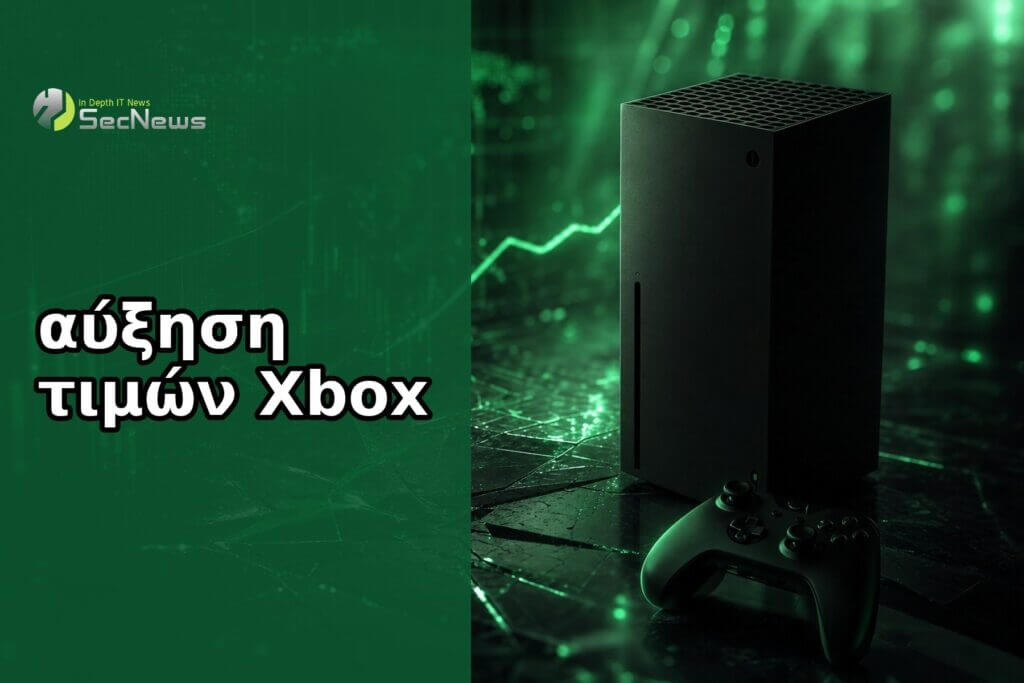
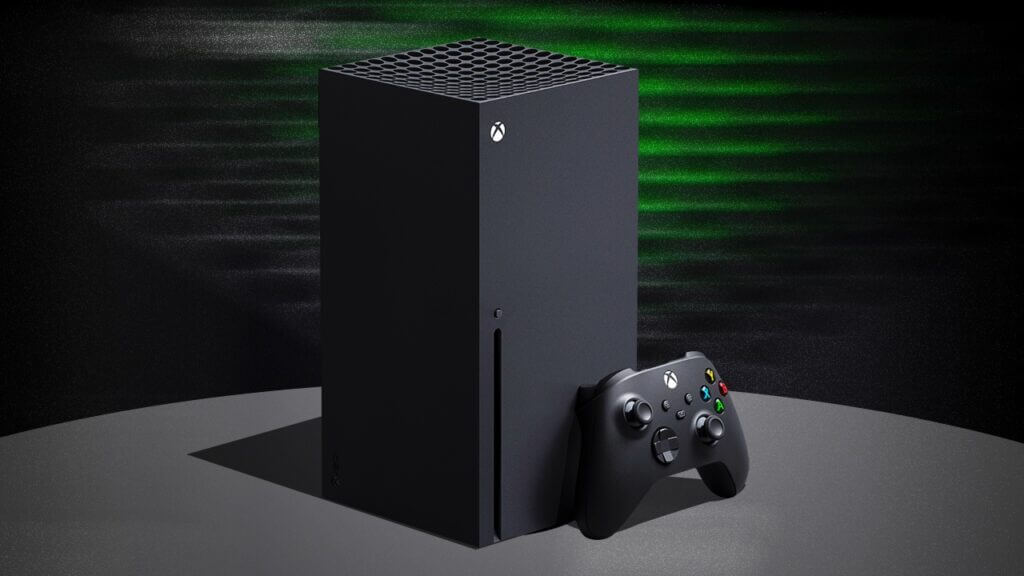
Microsoft is making another major adjustment to its pricing policy in the gaming market, increasing the prices of all Xbox models starting August 1.The increases range from $100 to $150, bringing the Xbox Series X with a disc drive to $800, $300 higher than its launch price in November 2020.
This is the third Xbox price increase in just 13 months, a development that reflects the profound upheavals taking place in the global electronics industry.
All new Xbox console prices
The price increases affect the entire Xbox lineup. The 512GB Xbox Series S will now start at $500, while the 1TB version will be priced at $600. Meanwhile, the digital edition of the Xbox Series X is rising to $750.
See also: Three Xbox studios try to split off from Microsoft's restructuring
Even more impressive is the company's decision to discontinue production of the 2TB Xbox Series X, effectively marking the end of a model that was designed for the most demanding users.
Artificial intelligence is changing the balance
Microsoft attributes the price increases to the dramatic increase in storage and memory. According to the company, prices for these components have increased more than two and a half times, and it estimates that costs could double again by the fall of 2027.
The main reason lies in the rapid development of artificial intelligence. Major memory manufacturers, such as Samsung, SK Hynix and Micron, are now prioritizing the production of advanced high-bandwidth memory modules for data centers and AI systems. As a result, the availability of conventional memory used in consumer products such as game consoles, computers and smartphones is decreasing.
The traditional console model seems to be collapsing
For decades, game companies followed a specific business model. Consoles were sold at or below cost, with the companies recouping their profits through sales of games, subscription services, and accessories.
See also: Xbox 25th Anniversary: Microsoft's transparent green console
This model, however, assumed relatively stable component costs. When memory prices are rising so rapidly, subsidizing hardware becomes an economically unviable strategy.
Microsoft had already increased the price of the Xbox Series X to $600 in May 2025 and to $650 a few months later. The new adjustment is the largest to date and confirms that the market is entering a completely new reality.
The crisis affects the entire industry
Microsoft is no exception. Sony has also repeatedly increased PlayStation prices , with the PS5 now selling for $650 and the PS5 Pro reaching $900. Nintendo, meanwhile, announced that the Switch 2 will be priced from $450 to $500.
On the same day, Apple also increased prices on Macs and iPads, citing the same pressures in the memory market. The fact that different tech giants are announcing price increases almost simultaneously shows that this is not an isolated phenomenon but a broader restructuring of the electronics production.
See also: Game Pass: Microsoft's Xbox PC app hints at expansion into China

Will consumers continue to pay?
To curb the backlash, Microsoft is introducing "buy now, pay later" purchase options, allowing consumers to pay for consoles in interest-free installments.
Despite the financial tools, the fundamental question remains unanswered. When a $500 console, which for years was the industry benchmark, now reaches $800, the balance changes dramatically.
The Xbox Series X now costs more than many entry-level gaming PCs and is getting dangerously close to the price of the PS5 Pro. If the memory crunch continues and artificial intelligence continues to absorb most of the world's semiconductor production, the era of relatively affordable consoles may be over. Time will tell whether gamers are willing to follow the increases or if the gaming industry will face a new demand crisis.
