

Apple is expected to complete approvals for the OLED panels of the iPhone 18 Pro and Pro Max, with Samsung Display and LG Display likely dominating the supply of the screens (according to reports from The Elec).
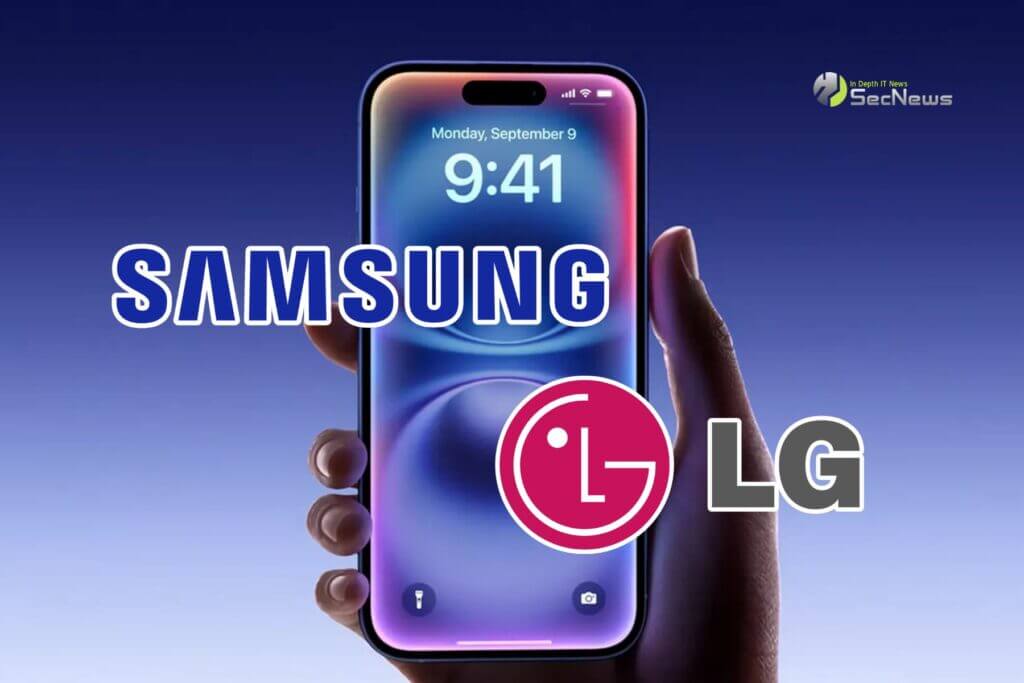
This year, China's BOE has reportedly been cut out of the premium supply chain, despite securing some panel orders for the iPhone 17 Pro models.
The problem is attributed to quality and performance issues of the lower-temperature polycrystalline oxide-plus (LTPO+) technology , compared to its South Korean competitors.
See also: iPhone 18 Pro release date – When is it coming?
iPhone 18 Pro: Upgraded LTPO+ display technology
Indeed, this is the key upgrade at the heart of the change. South Korean outlet ETNews previously reported that the iPhone 18 Pro models will use LTPO+ display technology, which will likely be more energy efficient than the current LTPO technology in the iPhone 17 series.
Such an upgrade could also contribute to longer battery life, as LPTO+ allows for better control of OLED light emission, potentially allowing the display to optimize its performance based on environmental conditions.
See also: iPhone 17: The best-selling smartphone in the world

The ETNews report also said that the iPhone 18 Pro models will use infrared technology from Samsung, which could allow some Face ID components to move under the display.
This could allow Apple to shrink the Dynamic Island on the iPhone 18 Pro models — but whether it will do so is still up for debate. Apple is expected to unveil the iPhone 18 Pro models in September.
See also: iOS 27 will bring these new features to the iPhone
Overall, the developments surrounding the iPhone 18 Pro and Pro Max show that Apple continues to strategically invest in the technological evolution of its premium devices, with particular emphasis on upgrading the display and optimizing energy efficiency. The possible adoption of LTPO+ technology is another step towards more efficient OLED displays, which could offer not only better consumption management but also substantial benefits in autonomy, an area that remains crucial for the user experience.
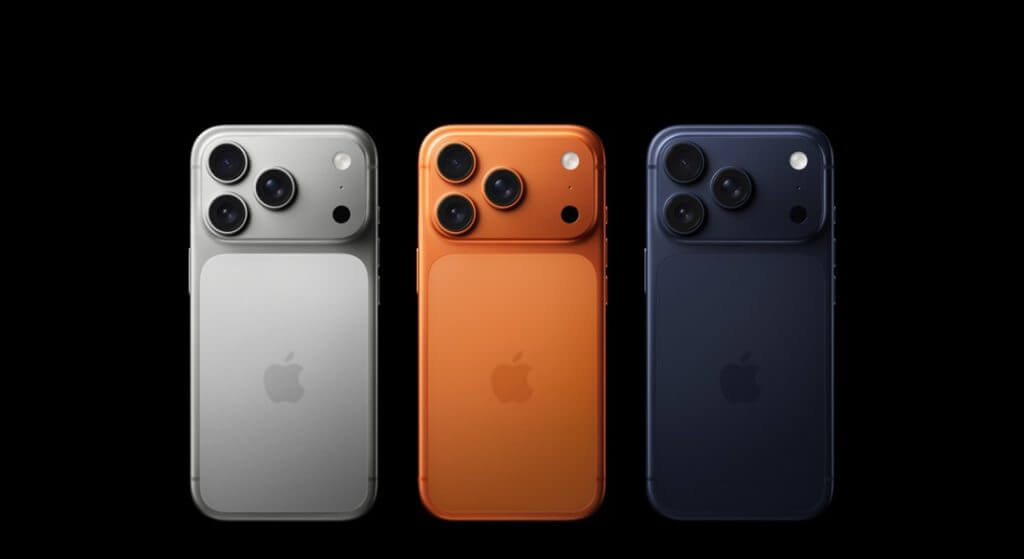
At the same time, information about under-screen infrared technology and a possible redesign of the Dynamic Island reinforces expectations for a “cleaner” design and greater utilization of the screen surface. Apple’s choice to rely again on Samsung Display and LG Display confirms the importance of consistent quality in its supply chain, while the temporary exclusion of BOE highlights the company’s strict requirements. If the rumors are confirmed, the iPhone 18 Pro series may mark one of the most significant screen upgrades in recent years for the Apple ecosystem.
