

An amateur astronomer spotted an intense momentary glow in Jupiter's atmosphere, piqued the interest of all space.
Jupiter is the largest planet in our solar system, and so massive that it doesn’t technically orbit the Sun. But with such a gravitational pull, the planet can get regularly “hit” by asteroids heading toward that part of the Solar System. A 2013 simulation study estimated that Jupiter experiences 12–60 impacts from objects 5 to 20 meters in diameter each year. Another study estimated that larger objects, about 1.6 kilometers in diameter, hit the planet once every 6,000 years.
See also: NASA: Scientific balloons ready for flights over Antarctica
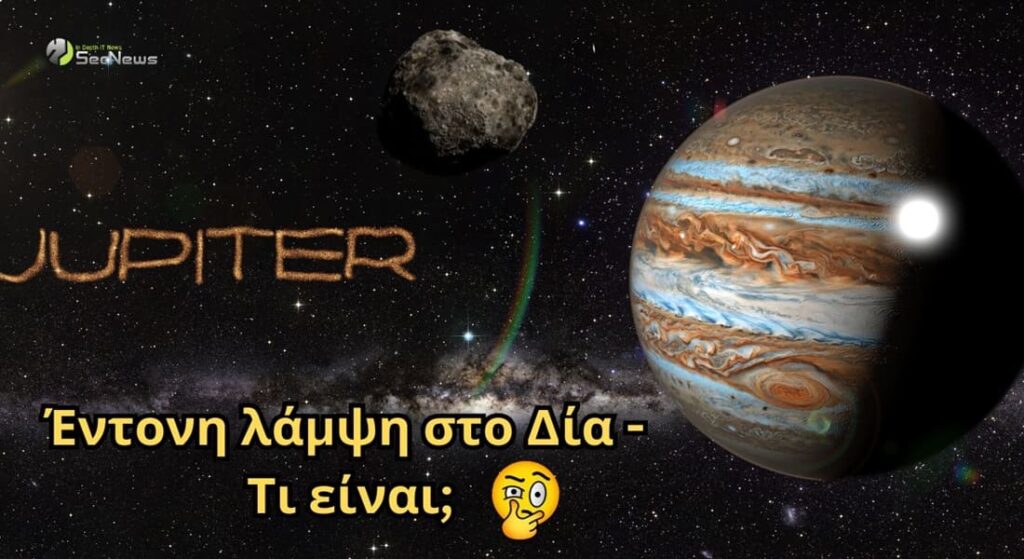
However, recording an asteroid-Jupiter collision as it happens is rare. At the time of the study, three flares had been recorded by amateur astronomers on the planet, and were eventually determined to be asteroids.
The recent flash, recorded by amateur astronomer Kunihiko Suzuki on November 15, also indicates the impact of an asteroid or comet on Jupiter's surface.
Studying the light curves of such collisions can give us important clues about the amount of energy released by the celestial object as well as what the object that hit the planet was (asteroid or comet).
See also: JWST: Reveals protoplanetary disks in a nearby star cluster
These impact recordings and their study are very important. Many believe that Jupiter helps protect the inner planets of the solar system, deflecting comets and asteroidsfrom hitting it. However, others argue that the planet acts as a magnet, pulling in objects from further outin the solar system that would otherwise not come close to the Sun.
In addition, studying collisions opens up new horizons in our understanding of asteroids themselves. By observing collisions, we can study the nature of asteroids and their interactions with other astronomical bodies. This helps us better understand the collision process and its implications for the evolution of the universe.
See also: SpaceX Starship's second launch ends in explosion
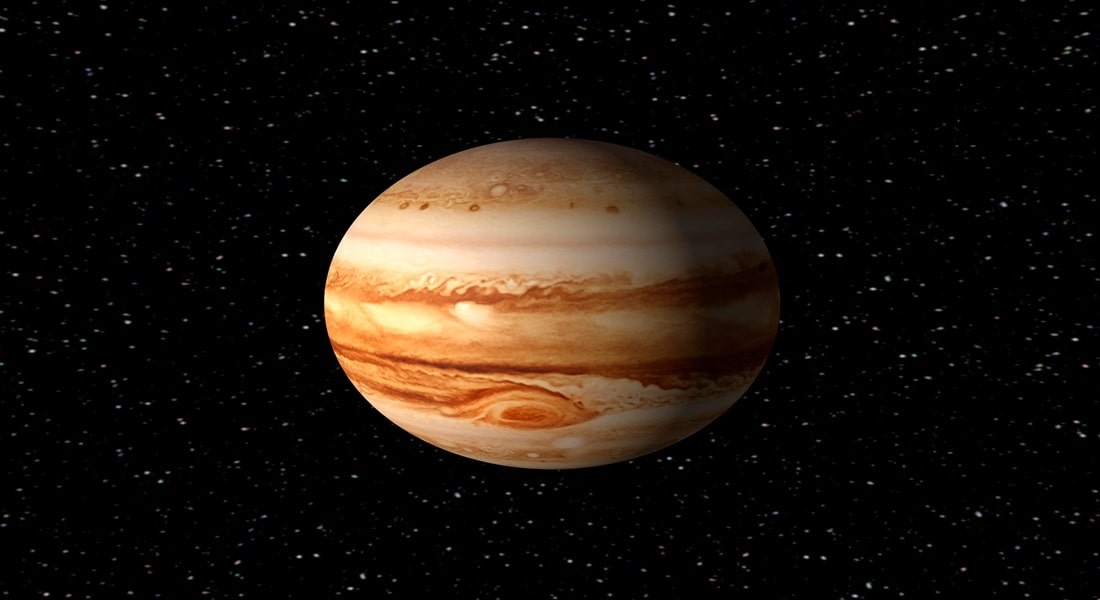
Then, by observing the collisions we can study the distribution of energy and the interactions caused by it, giving us more information about the nature of asteroids.
Finally, these observations allow us to study the impact of the collision on the evolution of the Jupiter system. We can observe the changes that the collision causes in the planet and analyze the processes that occur after the collision. This helps us to understand the evolution of planetary systems and the impact of asteroids on them.
Source: www.iflscience.com
