

A survey conducted by J.D. Power revealed that EV owners are increasingly frustrated with the home charging experience, due to issues such as rising electricity bills and lower-than-expected charging speeds.
See also: Tesla: Recently reduced the prices of luxury electric vehicles
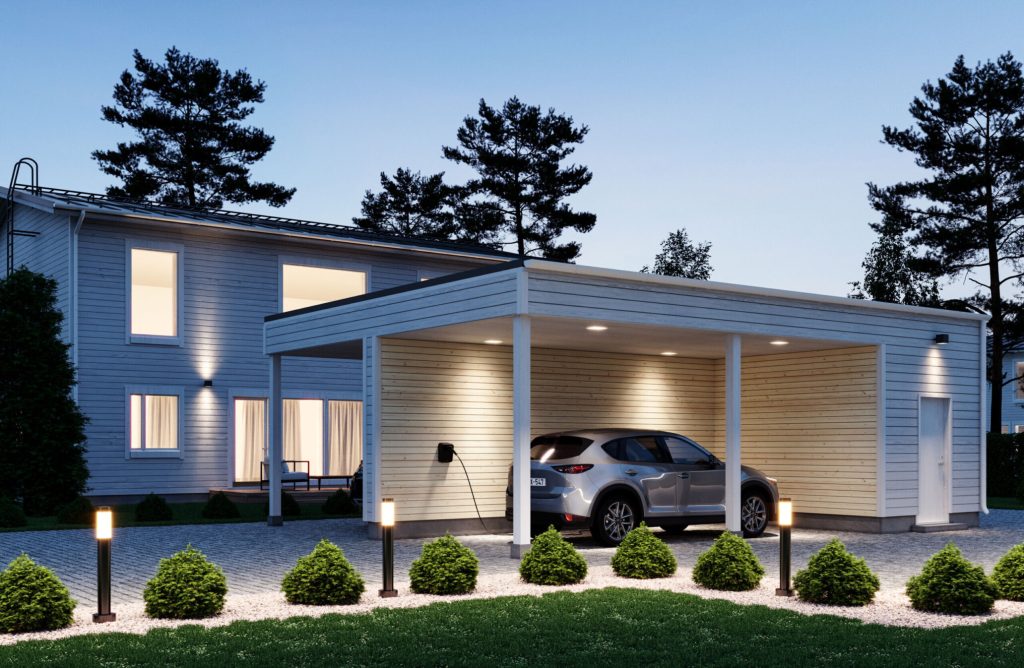
Inflation rates have skyrocketed at an unprecedented rate for the past 40 years since the pandemic, with goods from lumber to food becoming increasingly expensive.
The cost of electricity has not been left untouched by the significant increases. According to the most recent data from the Energy Information Administration, residential energy in the US have increased significantly: from 13.72 cents per kilowatt-hour in December 2021 to 14.96 cents per kilowatt-hour on average by 2022 – an increase of 9%!
JD Power's recent study of the U.S. with home electric vehicle charging shows that rising electricity prices are the main factor contributing to dissatisfaction with home electric vehicle charging.
Also, only 51% of EV owners were aware of programs designed to assist with home charging. According to Adrian Chung, director of utility intelligence at J.D. Power, this is a worrying statistic:
“With the increase in awareness about available discounts or incentives, electric vehicle owners will benefit. This can help potential EV owners make a more informed purchase decision, as well as minimize concerns about home charging and support greater EV adoption.“
See also: Toyota: Announces the first Lexus electric vehicle
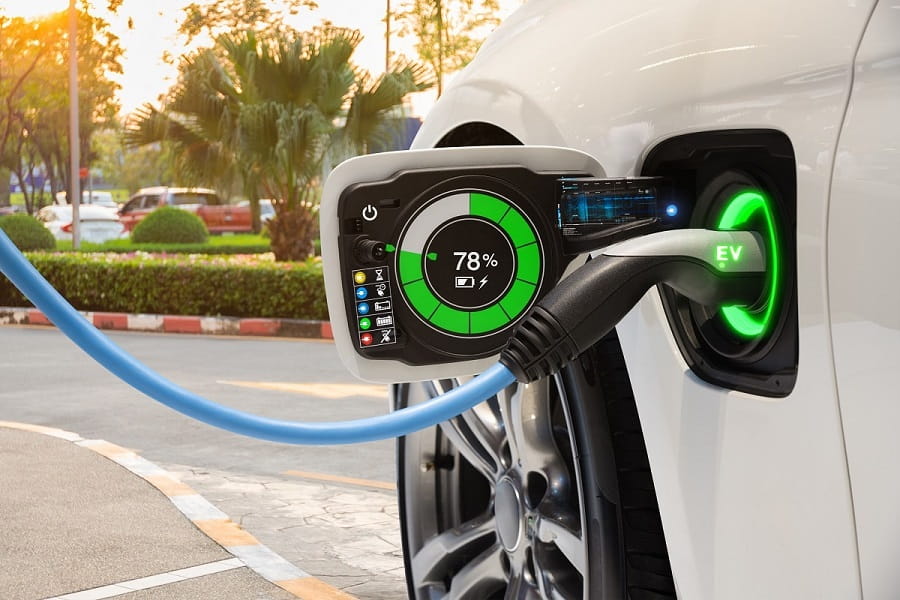
Utilities can offer incredible rebates and rewards when you purchase or install electric vehicle charging infrastructure at your home. To see what benefits are available near you, contact your utility directly or check out ChargePoint’s detailed , easily accessible state-by-state list.
In addition to charging speed, another factor contributing to reduced satisfaction is inadequate technology. When users upgraded from a Level 1 charger to a Level 2 charger, their overall satisfaction improved significantly.
The analysis of this year's study showed that although most electric vehicle owners use level 2 chargers, those who purchased their vehicles in 2022 and 2023 are significantly less satisfied than buyers from 2021 and 2020.
Brent Gruber, executive director of the EV practice at J.D. Power, explains, “improving the home charging experience should be a shared goal for everyone.”
The study also revealed that the majority of electric vehicle owners have limited knowledge about existing programs and incentives.
See also: Wyoming: Wants to ban electric vehicles by 2035
The introduction of charging times resulted in higher satisfaction levels among those who used their vehicle’s mobile app . When it comes to home charging stations, Tesla takes the lead in Level 2 chargers, followed by GRIZZL-E and Emporia .
