

A blind woman has been given artificial vision thanks to a brain implant. The implant allows the patient to see shapes and letters after 16 years in the dark.
See also: MIT: Low-cost prosthetic hand helps amputees feel again
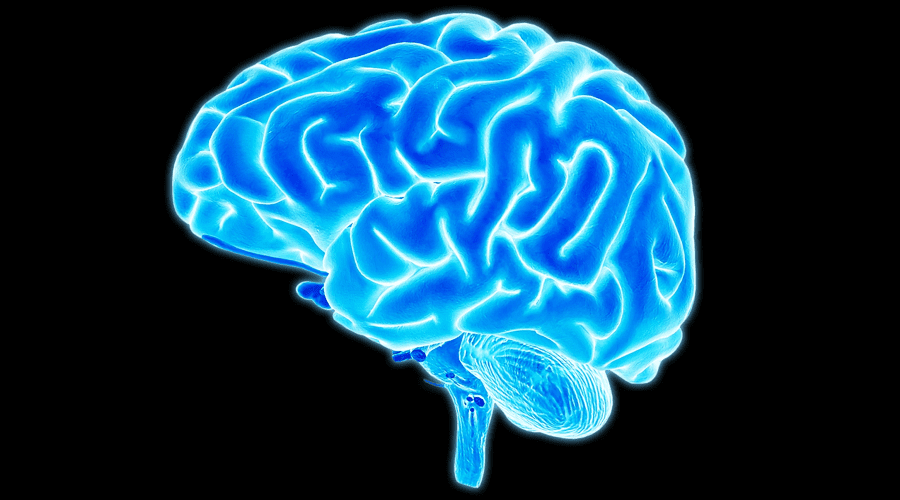
A Spanish woman lost her sight due to a rapidly progressive condition that affected her optic nerves. But with the help of researchers and a small device implanted in her brain, specifically in her visual cortex, she has taken the first steps towards restoring her sight. Most impressively, it is being done without using her eyes.
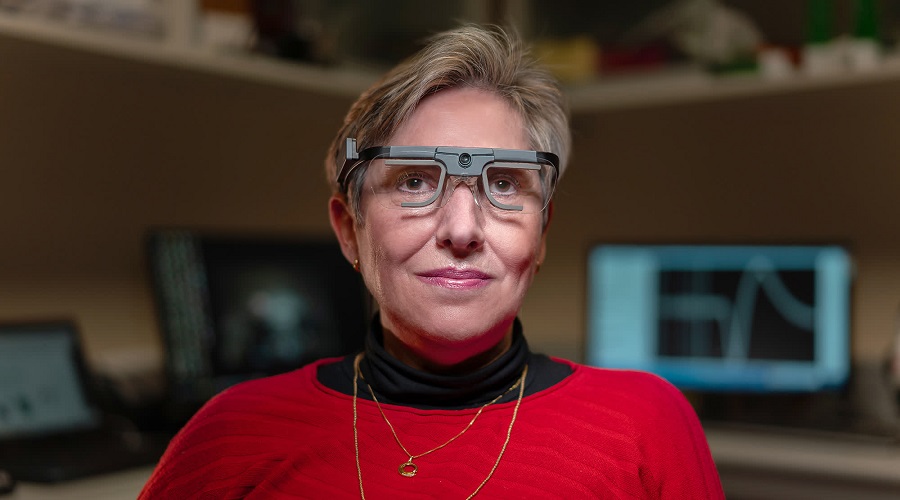
Berna Gomez faced a unique situation when she was diagnosed with optic neuropathy at the age of 42. The condition progressed rapidly and worsened the condition of the Spanish woman's optic nerves, causing her to go blind within days. In 2018, at the age of 57, Gomez decided to voluntarily test an implant in brain to see if it could help her vision. Indeed, thanks to researchers from the University of Utah and Miguel Hernandez University in Spain, Gomez may have the opportunity to restore her vision to a significant extent.
This was achieved using an implant known as the Moran|Cortivis Prosthesis. The device, which consists of 96 individual electrodes, is implanted directly into the patient's visual cortex. Once in place, the implant's electrodes can create specific patterns to deliver "images" directly to the patient's brain.
See also: Man used 3D printing to help his blind dog
According to the Journal of Clinical Investigation, the implant successfully displayed images ranging from bright spots and horizontal lines to some uppercase and lowercase letters.
In the final part of the tests, Gomez wore special glasses with a built-in camera that scanned objects in front of her and stimulated different combinations of electrodes in the implant. The result is the creation of simple images.
This is a huge breakthrough in vision restoration. Unlike retinal implants, this method completely bypasses the recipient's optic nerve and delivers information directly to the brain. This allows images to be delivered to patients despite any conditions that prevent their optic nerve from communicating with their brain.
See also: Samsung wants to copy-paste a human brain
The results are very encouraging, and the researchers at the University of Utah say their research aims to give a blind person greater mobility. It could allow them to identify a person, doors, or cars easily. It could increase the independence and safety of these individuals.
The researchers hope that studying the implant in more brains will someday allow for a combination of stimuli, which will produce even more complex visual images.
Source: TechSpot
