

Companies are in a race to develop a Covid-19 vaccine. In this race, they are not afraid to prioritize public relations over actual results in order to gain traction.
On Monday, vaccine researchers from the University of Oxford and the pharmaceutical company AstraZeneca announced results from a “phase I/II trial,” suggesting their product can generate immunity without causing serious complications. Similarly, smaller-scale results were published just last week for another vaccine candidate produced by the biotech company Moderna, in collaboration with the U.S.
As both of these groups move into the final stages of testing, it is vital that the public has a clear and balanced understanding of these projects. The evidence so far suggests that we are getting so carried away by these groups’ PR and stories of their astonishing speed that we are missing the big picture. In particular, neither the medianor the medical press have paid much attention to the potential downsides of the two vaccines – namely, the risk of adverse effects, even if they are not life-threatening.

After the Oxford team’s first clinical trial of its Covid-19 vaccine began in April, researchers added new sections to the study in which people took acetaminophen every six hours for 24 hours after the injection. This doesn’t appear in marketing , of course, and we didn’t see any discussion of this unusual step in the media coverage of the issue in early summer. The newspapers said the vaccine had been “safe in rhesus monkeys” and caused no adverse effects in those animal tests. But it was a troubling message: How unpleasant was the experience of people with this vaccine? Was the acetaminophen intended to reduce fever, headaches, malaise, or all of the above?
The Oxford group is also giving acetaminophen to participants in an advanced phase III trial also underway in Brazil. Another large study of the vaccine, involving 10,000 people in the United Kingdom, does not allow people with allergies or conditions that could be made worse by acetaminophen to participate. But the additional drug is not mentioned in the same group's trials in South Africa.
The first people to receive the vaccines are carefully selected as being less likely to have a negative reaction. If the Oxford vaccine causes problems for them, it may not be good for the rest of them.
On Monday, a press release announcing results from the Oxford vaccine trials described an increased incidence of “minor side effects” among participants. A look at the full analysis, however, reveals that this was a marketing ploy that has since been dissected in media reports. Mild reactions were far more common than severe ones, but moderate or severe harms — defined as bad enough to affect daily life or require medical treatment — were also common. About a third of people vaccinated with the acetaminophen-free Covid-19 vaccine experienced moderate or severe chills, fatigue, headache, malaise and/or fever. Nearly 10% had a fever, and just over a quarter experienced moderate or severe muscle aches. That's a large percentage for a young and healthy group of people – and acetaminophen didn't help much for most of these problems.
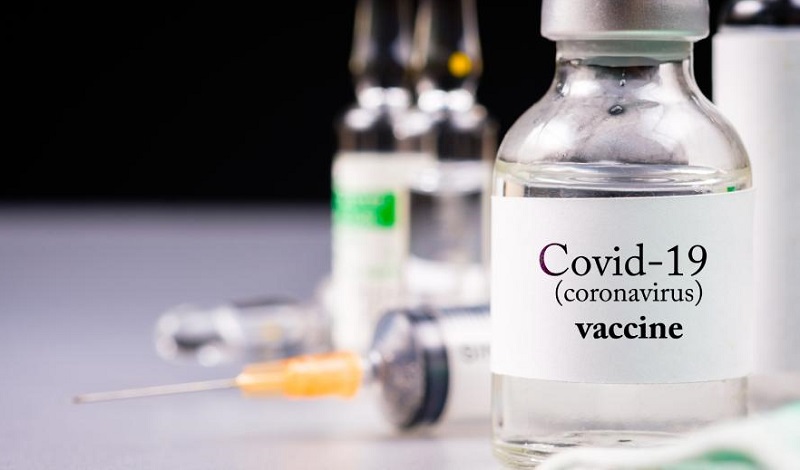
Moderna’s Covid-19 vaccine reflects a different kind of pharmaceutical approach: the gradual feeding of selective data via press releases. On May 18, Moderna presented some shaky, positive findings from interim results from its first human trial. Those findings were followed by an initial public offering — and company executives sold nearly $30 million in shares.
With last week’s data from Moderna, the results from the same group of people are finally making their official debut. At the same time, the team has been enrolling 30,000 people in a phase III clinical trial, giving them a pair of 100-microgram injections of the Covid-19 vaccine. According to a May press release, there were no serious side effects for people in that dosage group. But last week’s papers show the full results: Each dose produced signs of headache, chills, or fatigue, and for 80% of participants, that could have been enough to affect their normal activities.
There is already a high level of misinformation and mistrust about the rapidly developing Covid-19 vaccine in the American community. We may have a vaccine soon, experts say, but “communities are not ready to accept it.” Skepticism will surely continue as long as hype and public relations are higher on the list of companies than a real solution to the coronavirus.
